Intelligence for Investors
The only end-to-end solution for venture capital and private equity. Discover specialized intelligence for your investments.
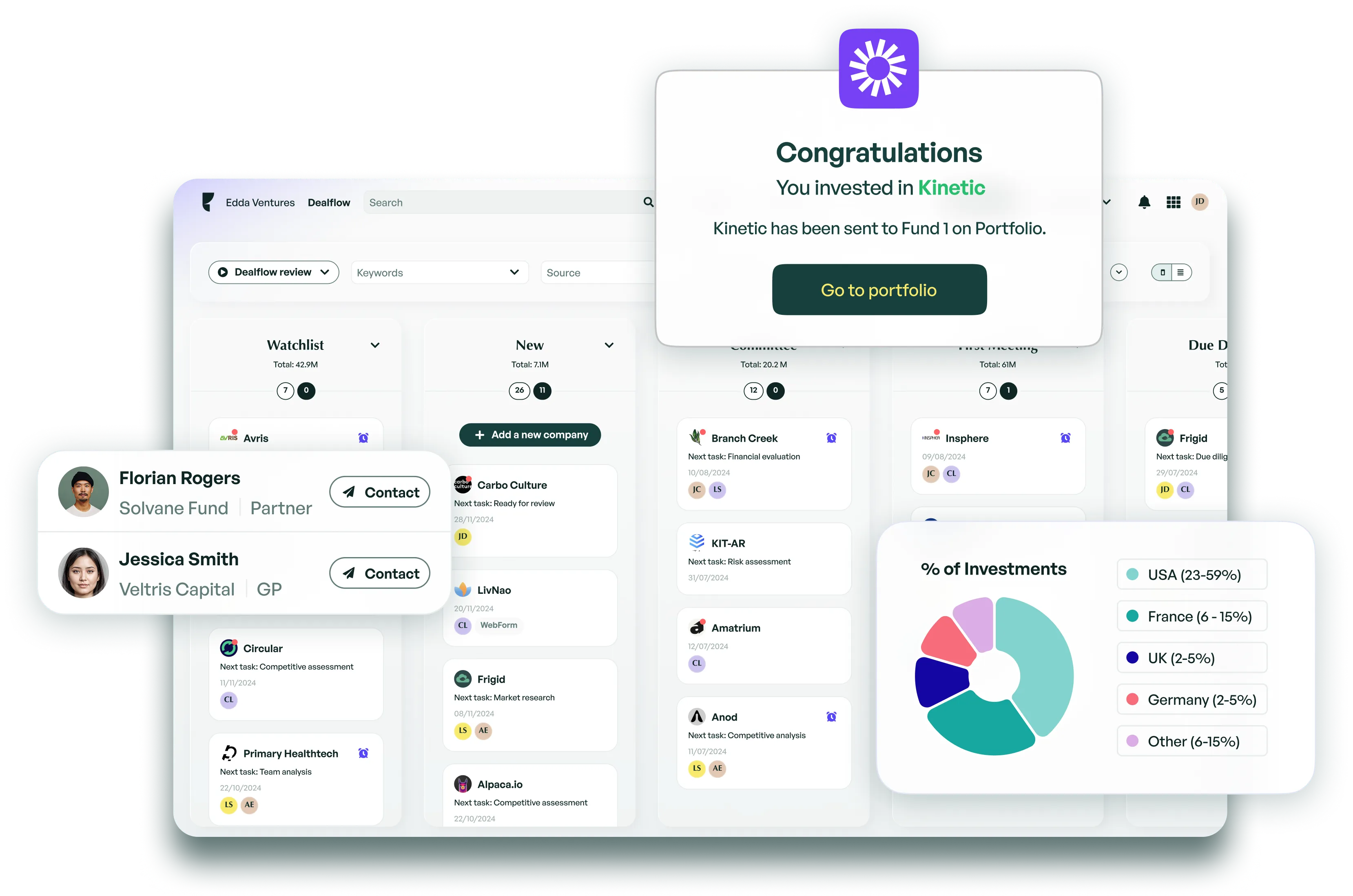
Investors in 40 countries manage $300B in assets on Edda


.png)







Edda Core Products
Welcome to Your Investment Home
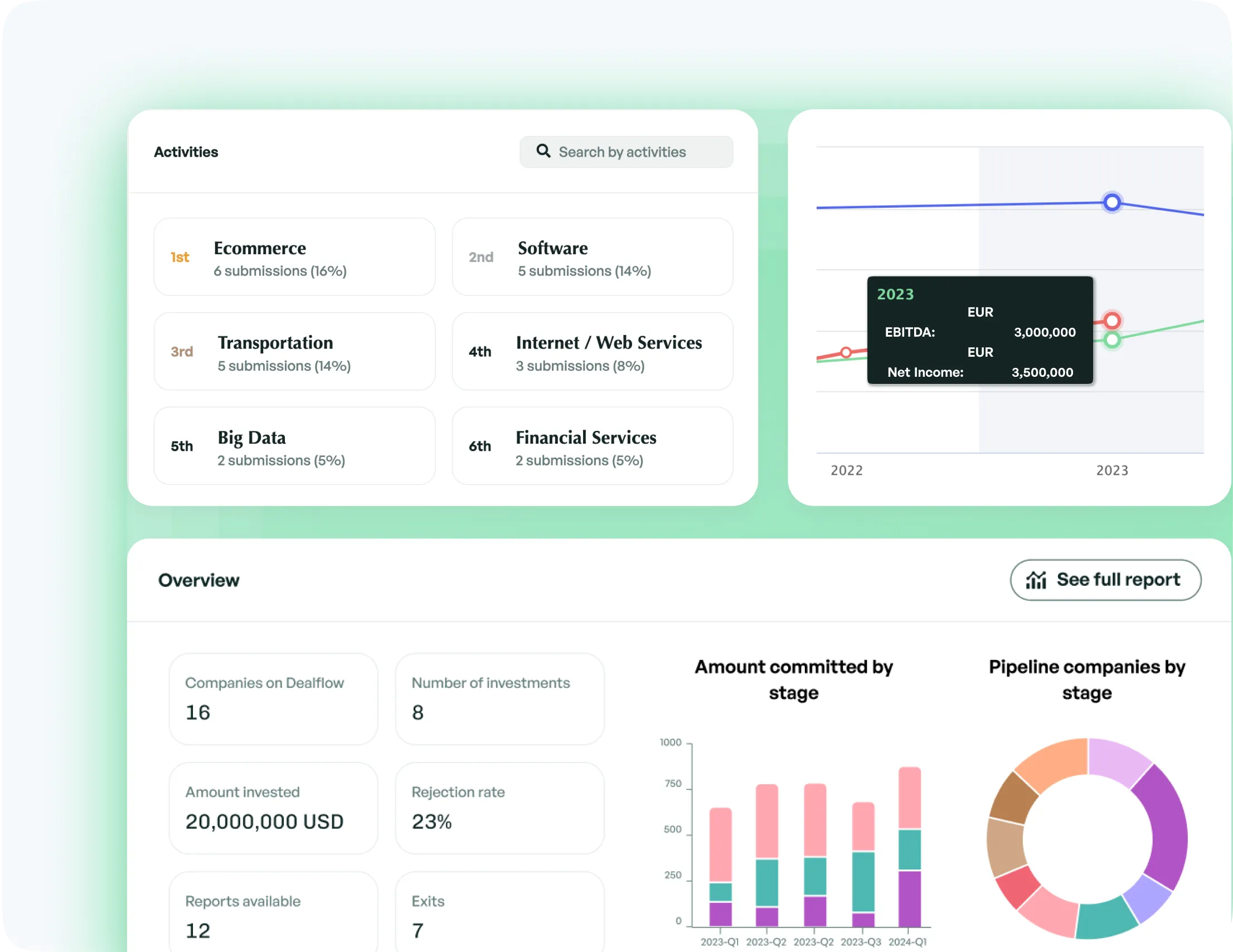
Centralize your entire investment process on Edda, from deal origination to exit.




 Venture Capital
  Brazil
 Caio Cruz, Associate Partner
“The key factor in our decision to use Edda was how it combines Dealflow and Portfolio in one tool.”
The trusted platform of 160+ investment firms



Introducing Edda’s proprietary AI solutions for new investing efficiency.


Pitch Deck Reader
Extract and organize deck information instantly


Cap Table Importer
No more manual cap table management


Due Diligence Assistant
Quick answers from an expert on your companies


Decision Writer
Craft thoughtful, customized rejection letters
Highlighted Features
Transform Your Workflow
Turn time-consuming manual tasks into single clicks
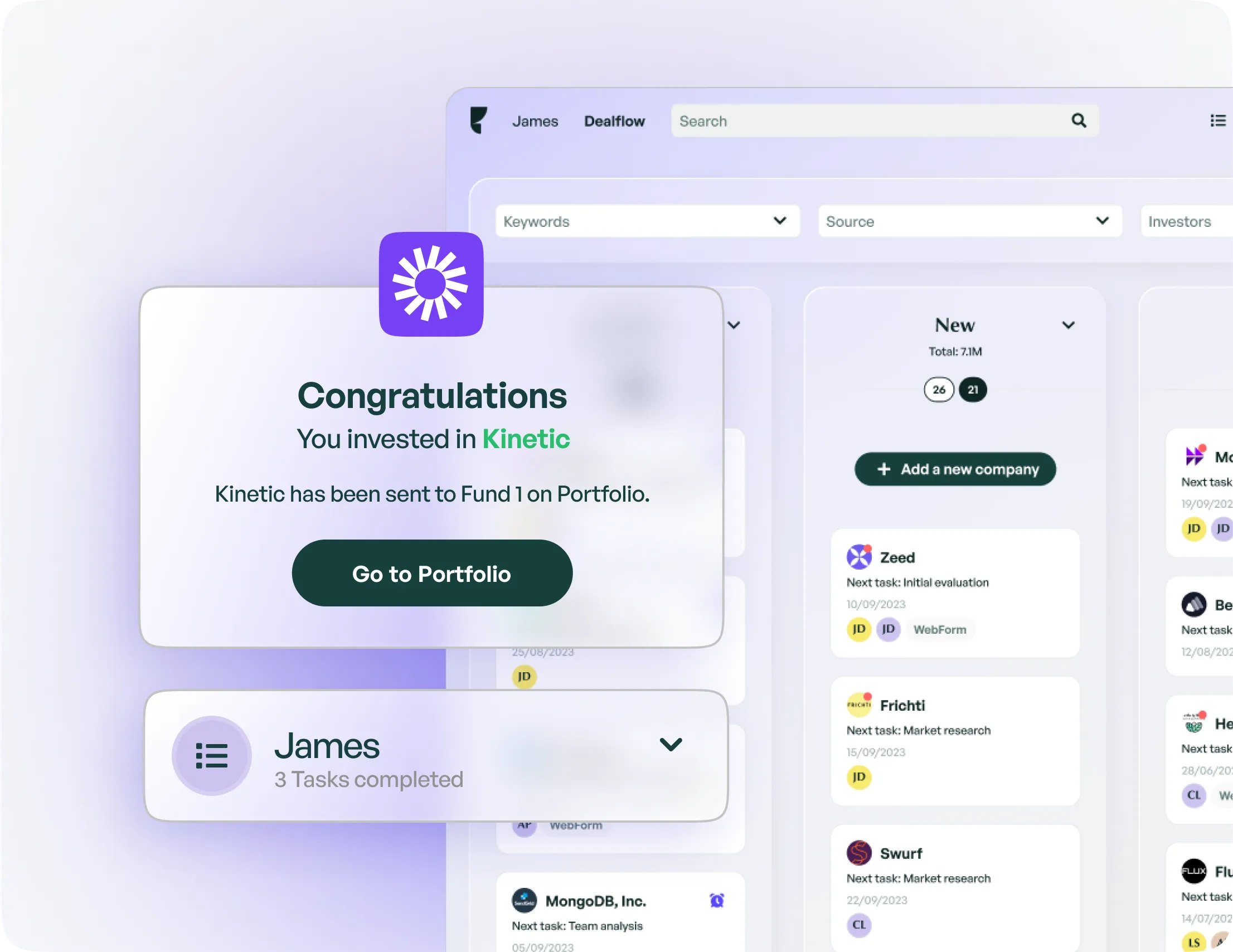
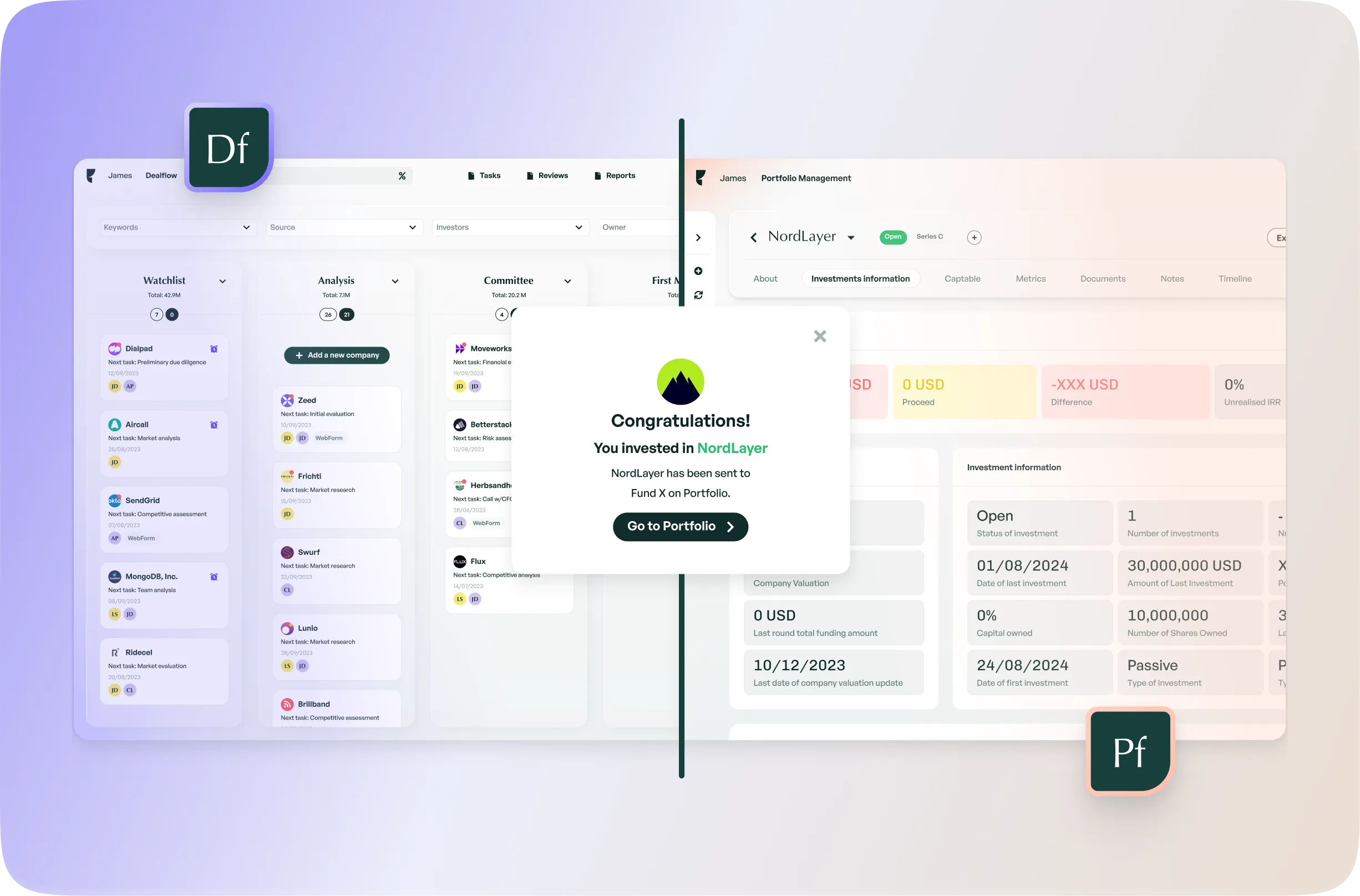
Dealflow to Portfolio
Once Dealflow companies move to the “Invested” stage, their data is automatically transferred to your Portfolio - ready to manage immediately.
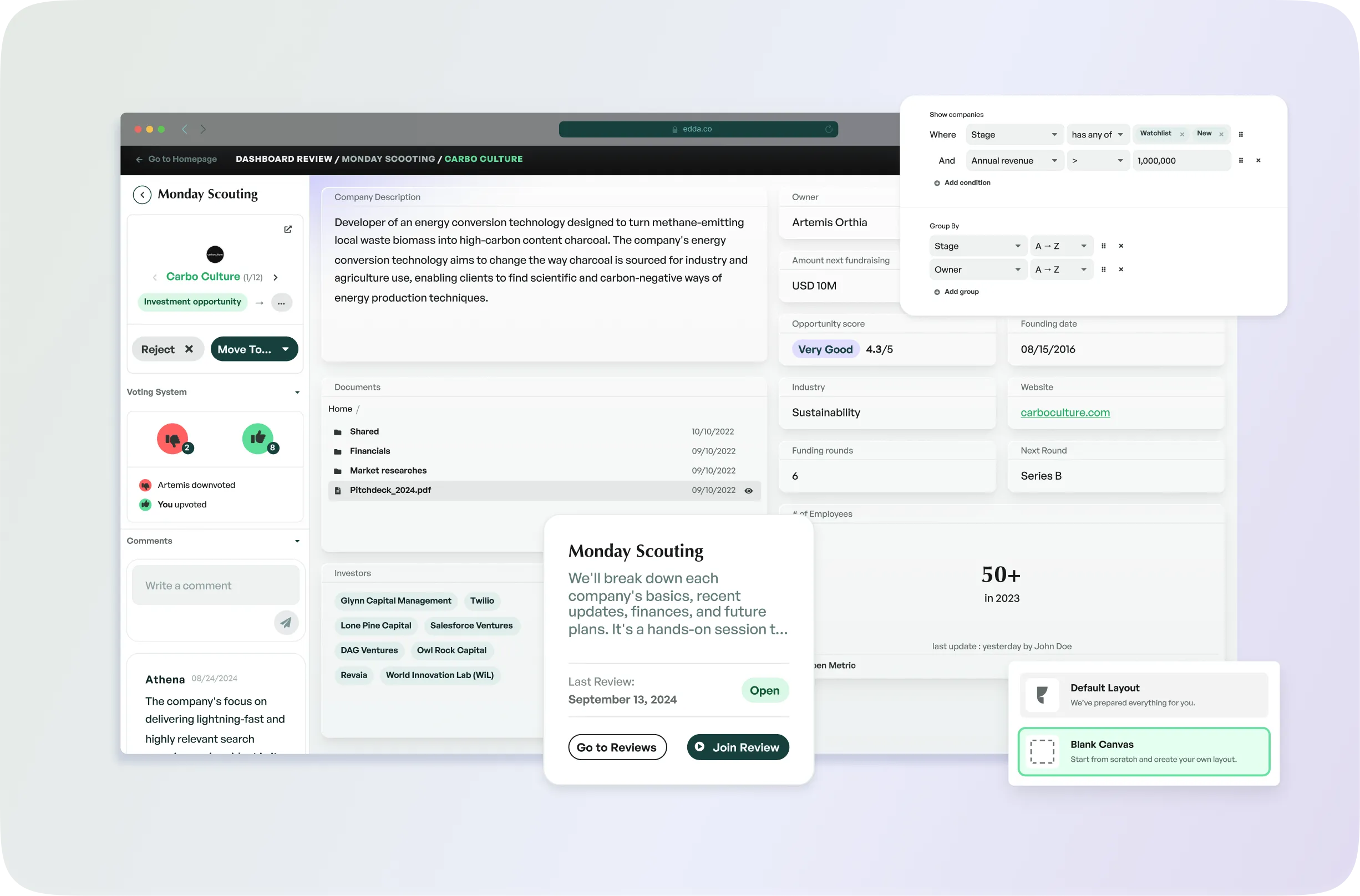
Review deals, no slides needed
Edda simplifies scouting. Use Edda’s Dealflow Review to collaboratively review deals and save time on building a slide deck.
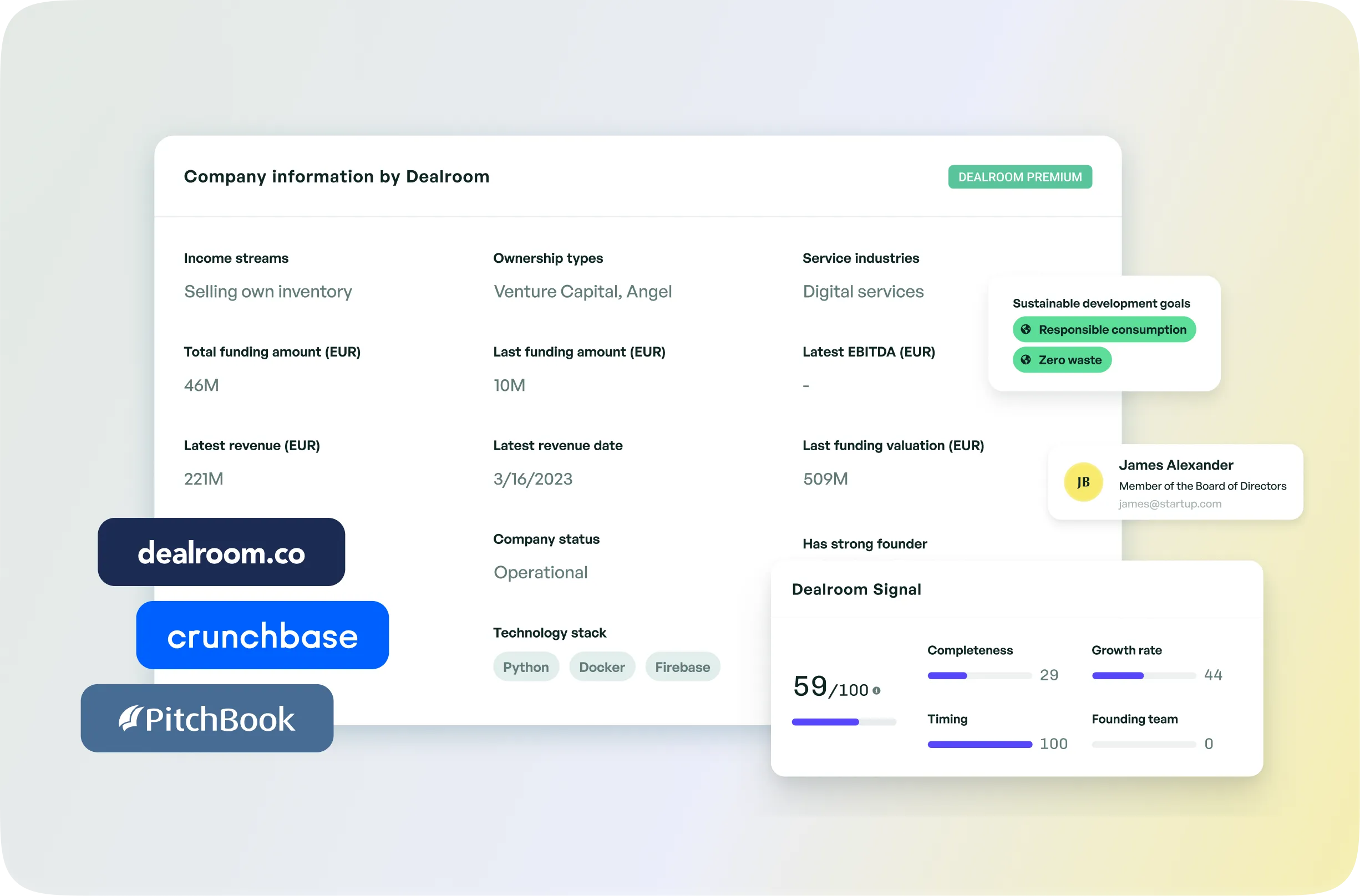
Auto-enriched new deals
New deals require no manual data entry on Edda. Using our integrated databases, your company and its information is added directly into your pipeline.
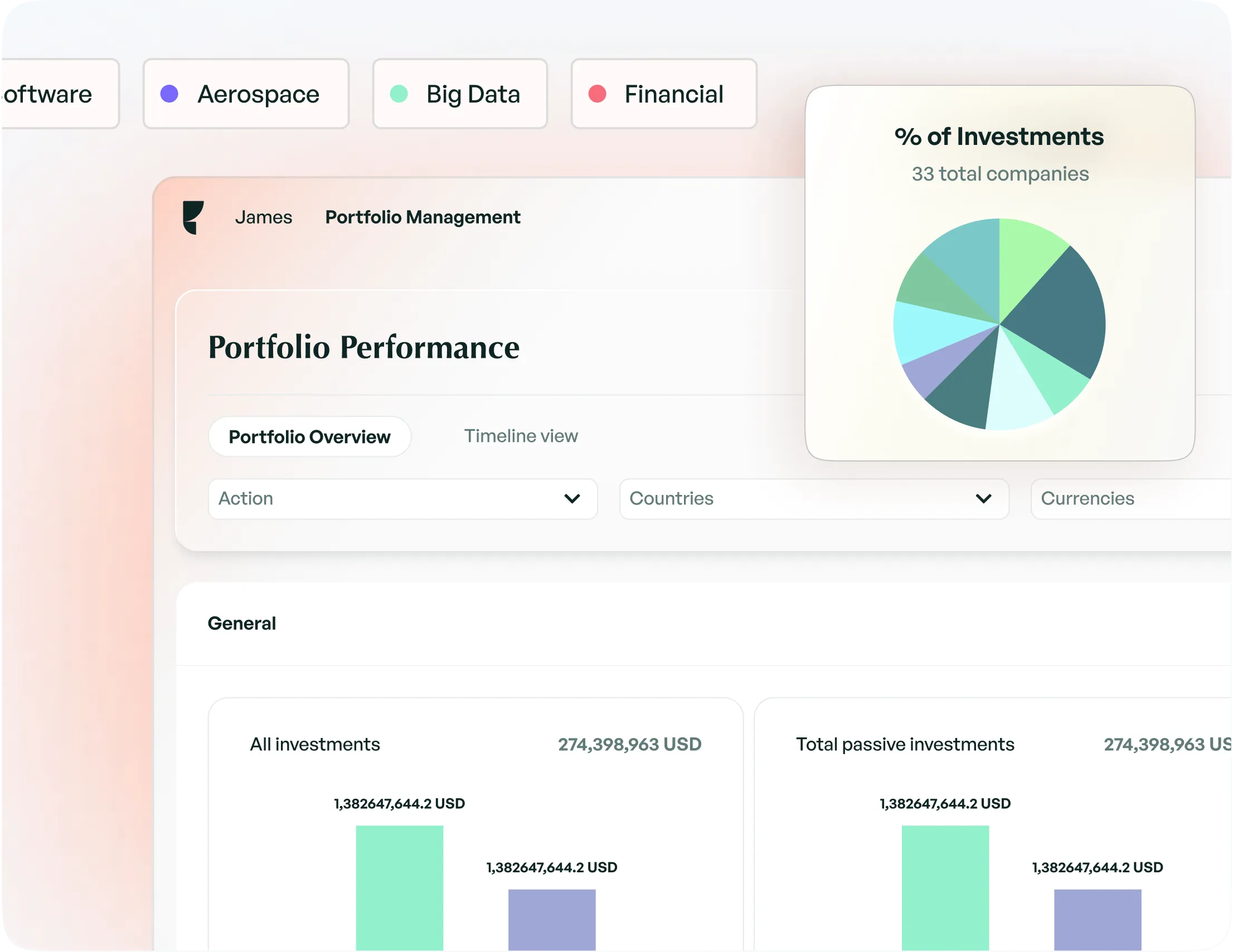
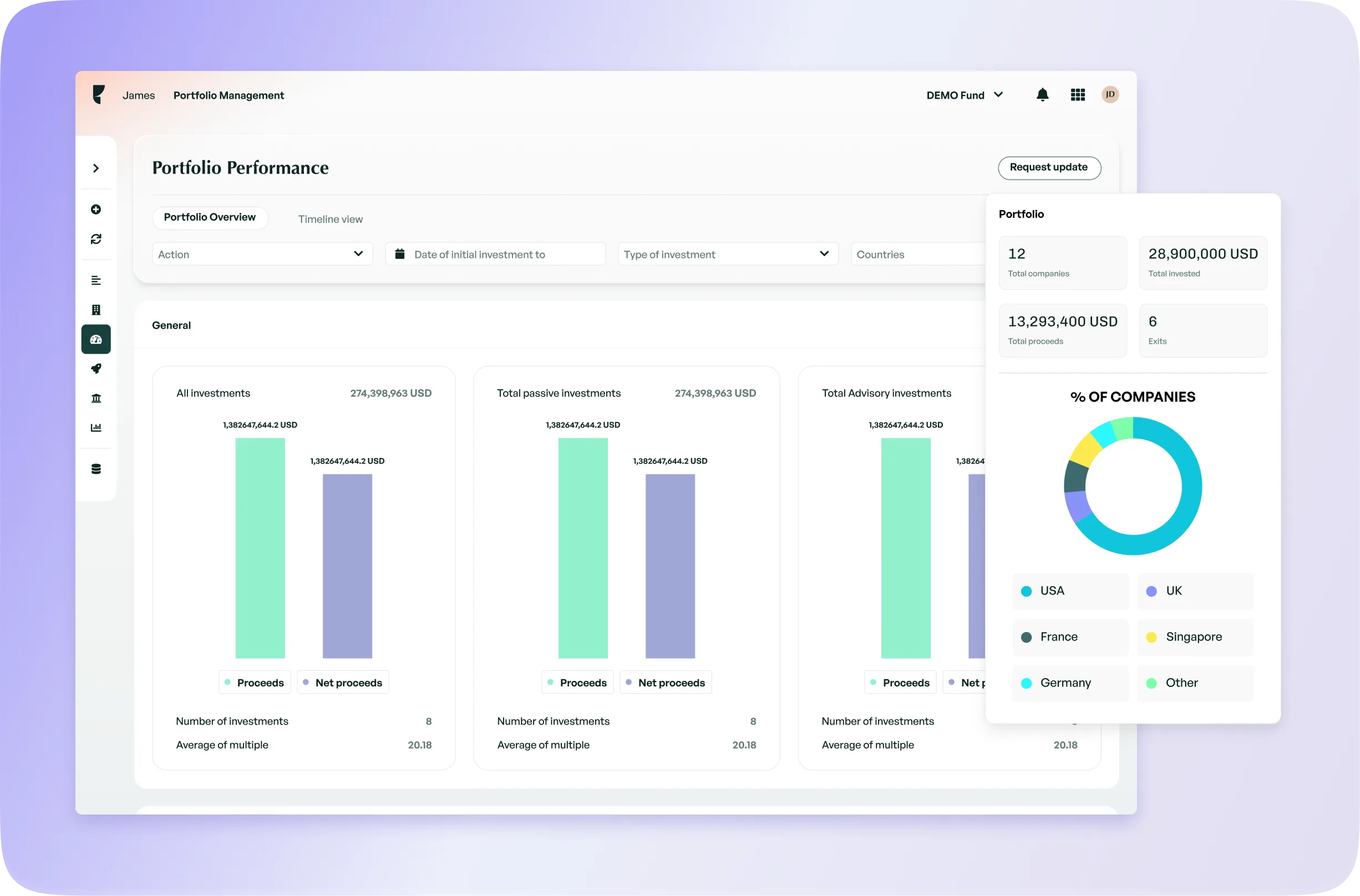
Report in real time
Edda’s Portfolio provides all of your stakeholders with consistent reports for investment allocations, portfolio performance, and more.
Case Studies
How Edda helps investors like you
Learn how clients use Edda to save time and energy across their workflow
 UK
UK  Private Equity & Venture Capital








Scale with security
All data is secured and private on Edda. Our platform is built to international information security standards.


GDPR

SOC2

SLA 99,99 %
News
What’s new with Edda
Discover Edda’s latest videos and press appearances
JOIN
THE
Discover the power of specialized intelligence for your investments
GREATS
Why Investment Firms Need a Unified Platform
Venture capital and private equity firms operate across multiple workflows—sourcing deals, tracking portfolio performance, managing investor relationships, and collaborating with limited partners. Traditionally, these functions are managed through disconnected tools, creating data silos and operational inefficiencies. An end-to-end investment platform eliminates these gaps by integrating core processes into a single system, ensuring seamless data flow from deal origination to exit.
For general partners and investment directors, this consolidation reduces manual data entry, minimizes errors, and provides real-time visibility into pipeline health and portfolio performance. A unified platform also standardizes reporting, making it easier to meet LP expectations and regulatory requirements. The shift from fragmented tools to an integrated solution is not just about convenience—it’s about maintaining a competitive edge in a market where speed and accuracy matter.
How Dealflow and Portfolio Management Work Together
At the heart of any investment firm’s operations is the ability to source, evaluate, and track deals. A dedicated dealflow management system streamlines the early stages of the investment lifecycle, from initial outreach to term sheet negotiation. By centralizing deal data, firms can prioritize opportunities, track progress, and collaborate internally without relying on spreadsheets or email chains.
Once a deal closes, the transition to portfolio management should be automatic. Many firms struggle with this handoff, as separate tools for dealflow and portfolio tracking require manual data migration. An end-to-end investment platform ensures that a deal marked as "invested" moves seamlessly into the portfolio module, where performance metrics, capital calls, and LP reporting are managed in one place. This integration eliminates redundant work and provides a single source of truth for all investment data.
For corporate venture capital (CVC) units, this continuity is especially valuable. Unlike traditional VC firms, CVCs often juggle internal stakeholders, corporate mandates, and external LPs, making a unified system critical for alignment and transparency.
The Role of CRM and LP Collaboration in Investor Relations
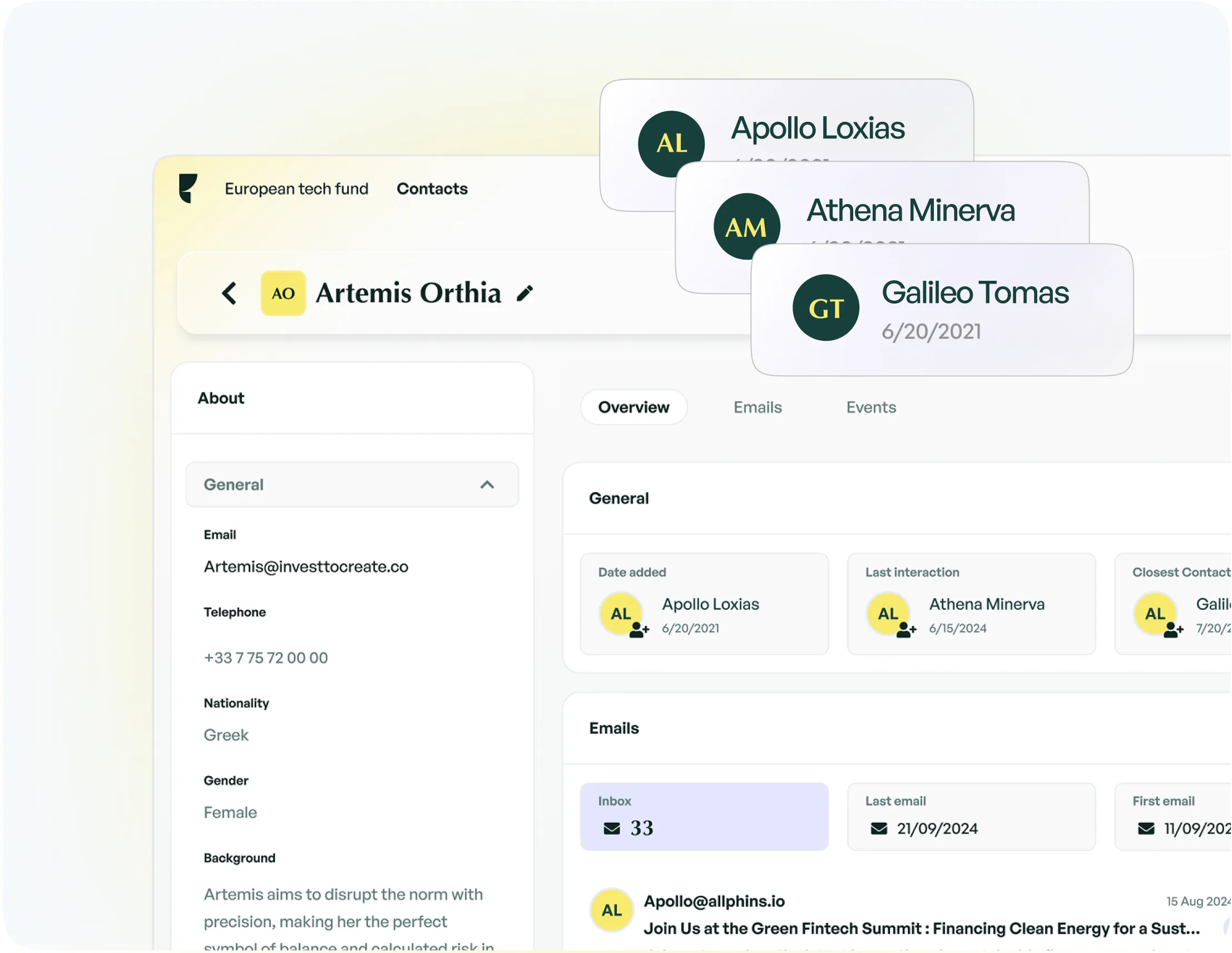
Investor relationships are the lifeblood of any investment firm. A specialized CRM for venture capital and private equity goes beyond generic contact management by tracking interactions with LPs, co-investors, and portfolio company executives. This visibility helps firms nurture relationships, identify follow-on opportunities, and maintain engagement during fundraising cycles.
Beyond CRM, a secure LP portal facilitates collaboration by giving investors controlled access to performance reports, capital account statements, and fund documents. This transparency strengthens trust and reduces the administrative burden on operations teams, who would otherwise field ad-hoc requests for updates. For firms managing multiple funds or complex structures, a portal ensures that LPs receive consistent, up-to-date information without manual intervention.
Corporate venture capital firms benefit from these tools in unique ways. CVCs often need to align internal stakeholders—such as corporate strategy teams or R&D departments—with external investors. A unified platform ensures that all parties have access to the same data, reducing miscommunication and streamlining decision-making.
How Proprietary AI Enhances Investment Workflows
Artificial intelligence is transforming how investment firms operate, but many vendors promise AI without delivering tangible value. HERA.I, the proprietary AI suite embedded in this platform, addresses real pain points with four concrete modules: the Pitch Deck Reader, Cap Table Importer, Due Diligence Assistant, and Decision Writer. These tools automate time-consuming tasks, allowing investment professionals to focus on high-value activities.
The Pitch Deck Reader, for example, extracts key metrics from pitch decks and populates deal records automatically, reducing manual data entry. The Cap Table Importer standardizes cap table data from spreadsheets or PDFs, ensuring accuracy during due diligence. Meanwhile, the Due Diligence Assistant flags potential risks in legal documents, while the Decision Writer generates personalized rejection letters, saving hours of drafting time.
Unlike generic AI tools, HERA.I is purpose-built for venture capital and private equity workflows. Its integration with the platform’s core modules ensures that AI outputs are actionable and aligned with the firm’s existing processes. For firms evaluating AI solutions, the key question is not whether AI is included, but how it solves specific operational challenges.
Why Corporate Venture Capital Firms Need a Dedicated Solution
Corporate venture capital (CVC) is a distinct segment within the investment landscape, yet most software platforms treat it as an afterthought. CVCs face unique challenges, including alignment with corporate strategy, internal reporting requirements, and the need to balance financial returns with strategic objectives. A platform designed for traditional VC or PE firms often lacks the flexibility to accommodate these nuances.
An end-to-end investment platform tailored for CVCs addresses these gaps by integrating dealflow, portfolio tracking, and LP collaboration into a single system. For example, CVCs can track how portfolio companies align with corporate innovation goals, while also meeting the reporting needs of external LPs. The platform’s CRM module helps manage relationships with both internal stakeholders and external co-investors, ensuring that all parties are aligned.
Additionally, CVCs benefit from the same AI-driven efficiencies as traditional firms. The Pitch Deck Reader and Due Diligence Assistant, for instance, help CVC teams evaluate deals faster, while the LP portal ensures that corporate leadership and external investors receive consistent updates. By treating CVC as a dedicated industry, rather than an add-on, the platform provides the tools needed to operate efficiently at the intersection of corporate strategy and venture investing.
FAQ
How does this platform differ from standalone dealflow or portfolio tools?
Standalone tools address specific workflows but create data silos. For example, a dealflow tool may track pipeline activity, but once a deal closes, the data must be manually transferred to a portfolio system. This fragmentation leads to errors, redundant work, and limited visibility into the full investment lifecycle. An end-to-end investment platform eliminates these gaps by integrating dealflow, portfolio management, CRM, and LP collaboration into a single system. Data flows automatically between modules, ensuring that a deal marked as "invested" in the dealflow module appears in the portfolio module without manual intervention.
This integration also improves reporting. Instead of pulling data from multiple sources, firms can generate comprehensive reports on pipeline health, portfolio performance, and LP activity from a single dashboard. For investment professionals, this means less time spent on administrative tasks and more time focused on deal execution and value creation.
What types of firms benefit most from this platform?
The platform is designed for venture capital, private equity, and corporate venture capital firms. Within these segments, it serves general partners, managing partners, investment directors, and heads of platform and operations. Traditional VC firms benefit from the seamless transition between dealflow and portfolio management, while mid-market PE firms appreciate the ability to track complex fund structures and LP reporting requirements.
Corporate venture capital firms, in particular, gain value from the platform’s ability to align internal stakeholders with external investors. CVCs often need to demonstrate how portfolio companies support corporate innovation goals, and the platform’s integrated reporting tools make this easier. Additionally, firms with global operations or multiple funds benefit from the platform’s scalability and multi-currency support.
How does HERA.I improve efficiency compared to generic AI tools?
Generic AI tools often require extensive customization to fit investment workflows, and their outputs may not align with the firm’s existing processes. HERA.I is purpose-built for venture capital and private equity, with modules that address specific pain points: the Pitch Deck Reader extracts key metrics from pitch decks, the Cap Table Importer standardizes cap table data, the Due Diligence Assistant flags risks in legal documents, and the Decision Writer generates personalized rejection letters.
These tools are embedded within the platform’s core modules, ensuring that AI outputs are actionable and integrated with the firm’s data. For example, the Pitch Deck Reader populates deal records automatically, reducing manual data entry, while the Due Diligence Assistant highlights potential red flags during the evaluation process. Unlike generic AI, HERA.I is designed to work seamlessly with the platform’s dealflow, portfolio, CRM, and portal modules, providing a unified experience.
Can this platform replace fund administration or accounting software?
No. This platform is not a fund administration or accounting tool. It focuses on dealflow management, portfolio tracking, investor relations, and LP collaboration. While it includes features like capital call tracking and performance reporting, it does not handle fund accounting, tax compliance, or regulatory filings. Firms still need dedicated fund administration or accounting software for these functions.
The platform’s strength lies in its ability to integrate with other systems. For example, it can sync with fund administration tools to ensure that portfolio data is consistent across platforms. This integration reduces manual data entry and minimizes errors, but it does not replace the need for specialized accounting or compliance software.
What integrations are available to extend the platform’s functionality?
The platform integrates with a range of third-party tools to extend its functionality. Key integrations include data providers like PitchBook, Crunchbase, and Dealroom for deal sourcing, as well as communication tools like Slack, Microsoft Teams, Outlook, and Gmail for collaboration. Cloud storage integrations with Google Drive and Dropbox allow firms to attach documents directly to deal or portfolio records, while Zapier enables custom workflows with other applications.
For firms using CRM tools like Salesforce, the platform’s open API allows for data synchronization, though Salesforce is not a native integration. The goal of these integrations is to reduce context-switching and ensure that investment professionals can access the tools they need without leaving the platform. This flexibility is particularly valuable for firms with established workflows or unique requirements.
Why Investment Firms Need a Unified Platform
Venture capital and private equity firms operate across multiple workflows—sourcing deals, tracking portfolio performance, managing investor relationships, and collaborating with limited partners. Traditionally, these functions are managed through disconnected tools, creating data silos and operational inefficiencies. An end-to-end investment platform eliminates these gaps by integrating core processes into a single system, ensuring seamless data flow from deal origination to exit.
For general partners and investment directors, this consolidation reduces manual data entry, minimizes errors, and provides real-time visibility into pipeline health and portfolio performance. A unified platform also standardizes reporting, making it easier to meet LP expectations and regulatory requirements. The shift from fragmented tools to an integrated solution is not just about convenience—it’s about maintaining a competitive edge in a market where speed and accuracy matter.
How Dealflow and Portfolio Management Work Together
At the heart of any investment firm’s operations is the ability to source, evaluate, and track deals. A dedicated dealflow management system streamlines the early stages of the investment lifecycle, from initial outreach to term sheet negotiation. By centralizing deal data, firms can prioritize opportunities, track progress, and collaborate internally without relying on spreadsheets or email chains.
Once a deal closes, the transition to portfolio management should be automatic. Many firms struggle with this handoff, as separate tools for dealflow and portfolio tracking require manual data migration. An end-to-end investment platform ensures that a deal marked as "invested" moves seamlessly into the portfolio module, where performance metrics, capital calls, and LP reporting are managed in one place. This integration eliminates redundant work and provides a single source of truth for all investment data.
For corporate venture capital (CVC) units, this continuity is especially valuable. Unlike traditional VC firms, CVCs often juggle internal stakeholders, corporate mandates, and external LPs, making a unified system critical for alignment and transparency.
The Role of CRM and LP Collaboration in Investor Relations
Investor relationships are the lifeblood of any investment firm. A specialized CRM for venture capital and private equity goes beyond generic contact management by tracking interactions with LPs, co-investors, and portfolio company executives. This visibility helps firms nurture relationships, identify follow-on opportunities, and maintain engagement during fundraising cycles.
Beyond CRM, a secure LP portal facilitates collaboration by giving investors controlled access to performance reports, capital account statements, and fund documents. This transparency strengthens trust and reduces the administrative burden on operations teams, who would otherwise field ad-hoc requests for updates. For firms managing multiple funds or complex structures, a portal ensures that LPs receive consistent, up-to-date information without manual intervention.
Corporate venture capital firms benefit from these tools in unique ways. CVCs often need to align internal stakeholders—such as corporate strategy teams or R&D departments—with external investors. A unified platform ensures that all parties have access to the same data, reducing miscommunication and streamlining decision-making.
How Proprietary AI Enhances Investment Workflows
Artificial intelligence is transforming how investment firms operate, but many vendors promise AI without delivering tangible value. HERA.I, the proprietary AI suite embedded in this platform, addresses real pain points with four concrete modules: the Pitch Deck Reader, Cap Table Importer, Due Diligence Assistant, and Decision Writer. These tools automate time-consuming tasks, allowing investment professionals to focus on high-value activities.
The Pitch Deck Reader, for example, extracts key metrics from pitch decks and populates deal records automatically, reducing manual data entry. The Cap Table Importer standardizes cap table data from spreadsheets or PDFs, ensuring accuracy during due diligence. Meanwhile, the Due Diligence Assistant flags potential risks in legal documents, while the Decision Writer generates personalized rejection letters, saving hours of drafting time.
Unlike generic AI tools, HERA.I is purpose-built for venture capital and private equity workflows. Its integration with the platform’s core modules ensures that AI outputs are actionable and aligned with the firm’s existing processes. For firms evaluating AI solutions, the key question is not whether AI is included, but how it solves specific operational challenges.
Why Corporate Venture Capital Firms Need a Dedicated Solution
Corporate venture capital (CVC) is a distinct segment within the investment landscape, yet most software platforms treat it as an afterthought. CVCs face unique challenges, including alignment with corporate strategy, internal reporting requirements, and the need to balance financial returns with strategic objectives. A platform designed for traditional VC or PE firms often lacks the flexibility to accommodate these nuances.
An end-to-end investment platform tailored for CVCs addresses these gaps by integrating dealflow, portfolio tracking, and LP collaboration into a single system. For example, CVCs can track how portfolio companies align with corporate innovation goals, while also meeting the reporting needs of external LPs. The platform’s CRM module helps manage relationships with both internal stakeholders and external co-investors, ensuring that all parties are aligned.
Additionally, CVCs benefit from the same AI-driven efficiencies as traditional firms. The Pitch Deck Reader and Due Diligence Assistant, for instance, help CVC teams evaluate deals faster, while the LP portal ensures that corporate leadership and external investors receive consistent updates. By treating CVC as a dedicated industry, rather than an add-on, the platform provides the tools needed to operate efficiently at the intersection of corporate strategy and venture investing.
FAQ
How does this platform differ from standalone dealflow or portfolio tools?
Standalone tools address specific workflows but create data silos. For example, a dealflow tool may track pipeline activity, but once a deal closes, the data must be manually transferred to a portfolio system. This fragmentation leads to errors, redundant work, and limited visibility into the full investment lifecycle. An end-to-end investment platform eliminates these gaps by integrating dealflow, portfolio management, CRM, and LP collaboration into a single system. Data flows automatically between modules, ensuring that a deal marked as "invested" in the dealflow module appears in the portfolio module without manual intervention.
This integration also improves reporting. Instead of pulling data from multiple sources, firms can generate comprehensive reports on pipeline health, portfolio performance, and LP activity from a single dashboard. For investment professionals, this means less time spent on administrative tasks and more time focused on deal execution and value creation.
What types of firms benefit most from this platform?
The platform is designed for venture capital, private equity, and corporate venture capital firms. Within these segments, it serves general partners, managing partners, investment directors, and heads of platform and operations. Traditional VC firms benefit from the seamless transition between dealflow and portfolio management, while mid-market PE firms appreciate the ability to track complex fund structures and LP reporting requirements.
Corporate venture capital firms, in particular, gain value from the platform’s ability to align internal stakeholders with external investors. CVCs often need to demonstrate how portfolio companies support corporate innovation goals, and the platform’s integrated reporting tools make this easier. Additionally, firms with global operations or multiple funds benefit from the platform’s scalability and multi-currency support.
How does HERA.I improve efficiency compared to generic AI tools?
Generic AI tools often require extensive customization to fit investment workflows, and their outputs may not align with the firm’s existing processes. HERA.I is purpose-built for venture capital and private equity, with modules that address specific pain points: the Pitch Deck Reader extracts key metrics from pitch decks, the Cap Table Importer standardizes cap table data, the Due Diligence Assistant flags risks in legal documents, and the Decision Writer generates personalized rejection letters.
These tools are embedded within the platform’s core modules, ensuring that AI outputs are actionable and integrated with the firm’s data. For example, the Pitch Deck Reader populates deal records automatically, reducing manual data entry, while the Due Diligence Assistant highlights potential red flags during the evaluation process. Unlike generic AI, HERA.I is designed to work seamlessly with the platform’s dealflow, portfolio, CRM, and portal modules, providing a unified experience.
Can this platform replace fund administration or accounting software?
No. This platform is not a fund administration or accounting tool. It focuses on dealflow management, portfolio tracking, investor relations, and LP collaboration. While it includes features like capital call tracking and performance reporting, it does not handle fund accounting, tax compliance, or regulatory filings. Firms still need dedicated fund administration or accounting software for these functions.
The platform’s strength lies in its ability to integrate with other systems. For example, it can sync with fund administration tools to ensure that portfolio data is consistent across platforms. This integration reduces manual data entry and minimizes errors, but it does not replace the need for specialized accounting or compliance software.
What integrations are available to extend the platform’s functionality?
The platform integrates with a range of third-party tools to extend its functionality. Key integrations include data providers like PitchBook, Crunchbase, and Dealroom for deal sourcing, as well as communication tools like Slack, Microsoft Teams, Outlook, and Gmail for collaboration. Cloud storage integrations with Google Drive and Dropbox allow firms to attach documents directly to deal or portfolio records, while Zapier enables custom workflows with other applications.
For firms using CRM tools like Salesforce, the platform’s open API allows for data synchronization, though Salesforce is not a native integration. The goal of these integrations is to reduce context-switching and ensure that investment professionals can access the tools they need without leaving the platform. This flexibility is particularly valuable for firms with established workflows or unique requirements.