Secure, automated tech stack for CVCs
CVCs create strong investment frameworks with enterprise-grade security standards on Edda.
Investors in 40 countries manage $300B in assets on Edda
Eliminate manual tasks
New deals require no manual data entry on Edda. Using our integrated databases, your company and its information is added directly into your pipeline.
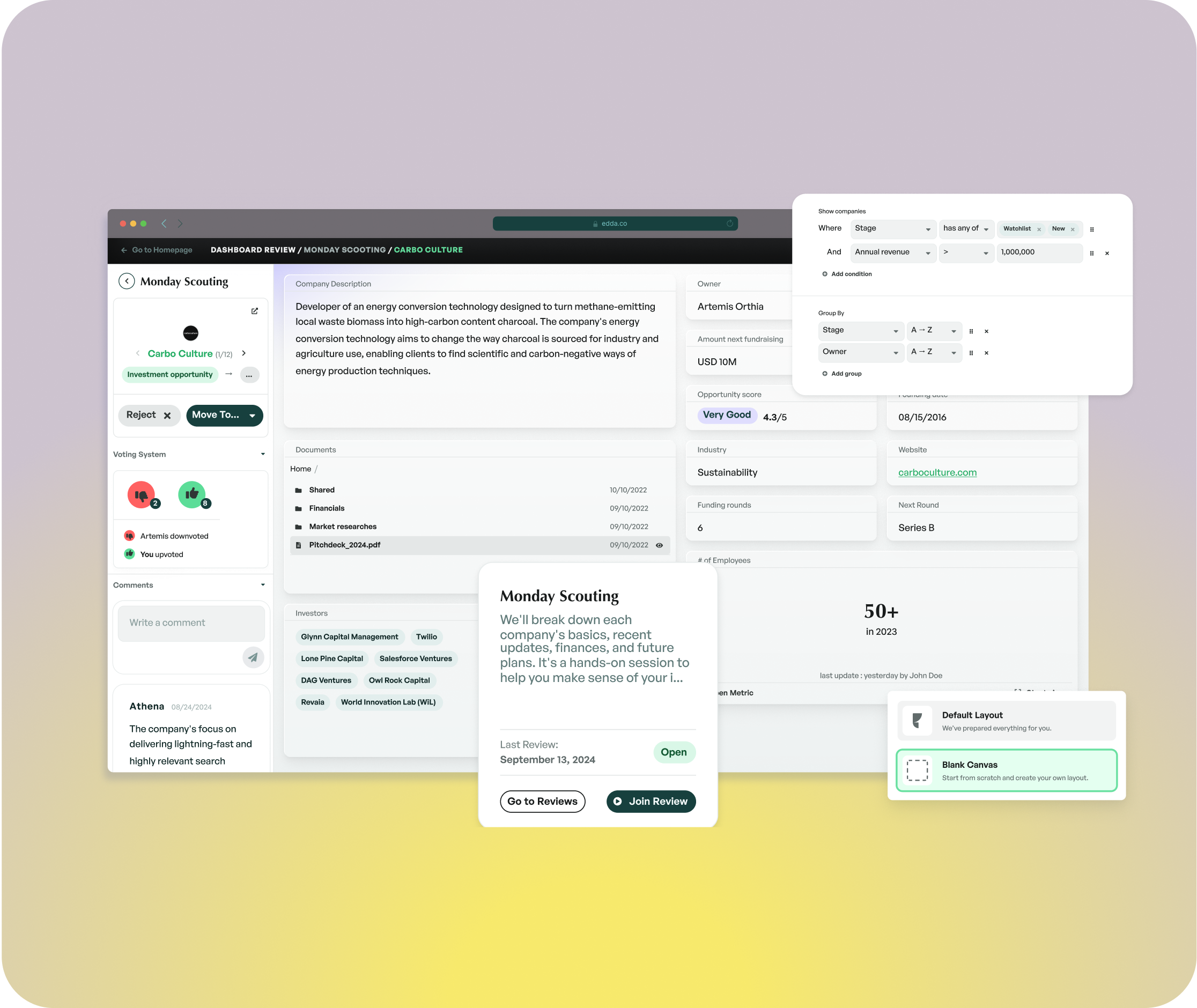
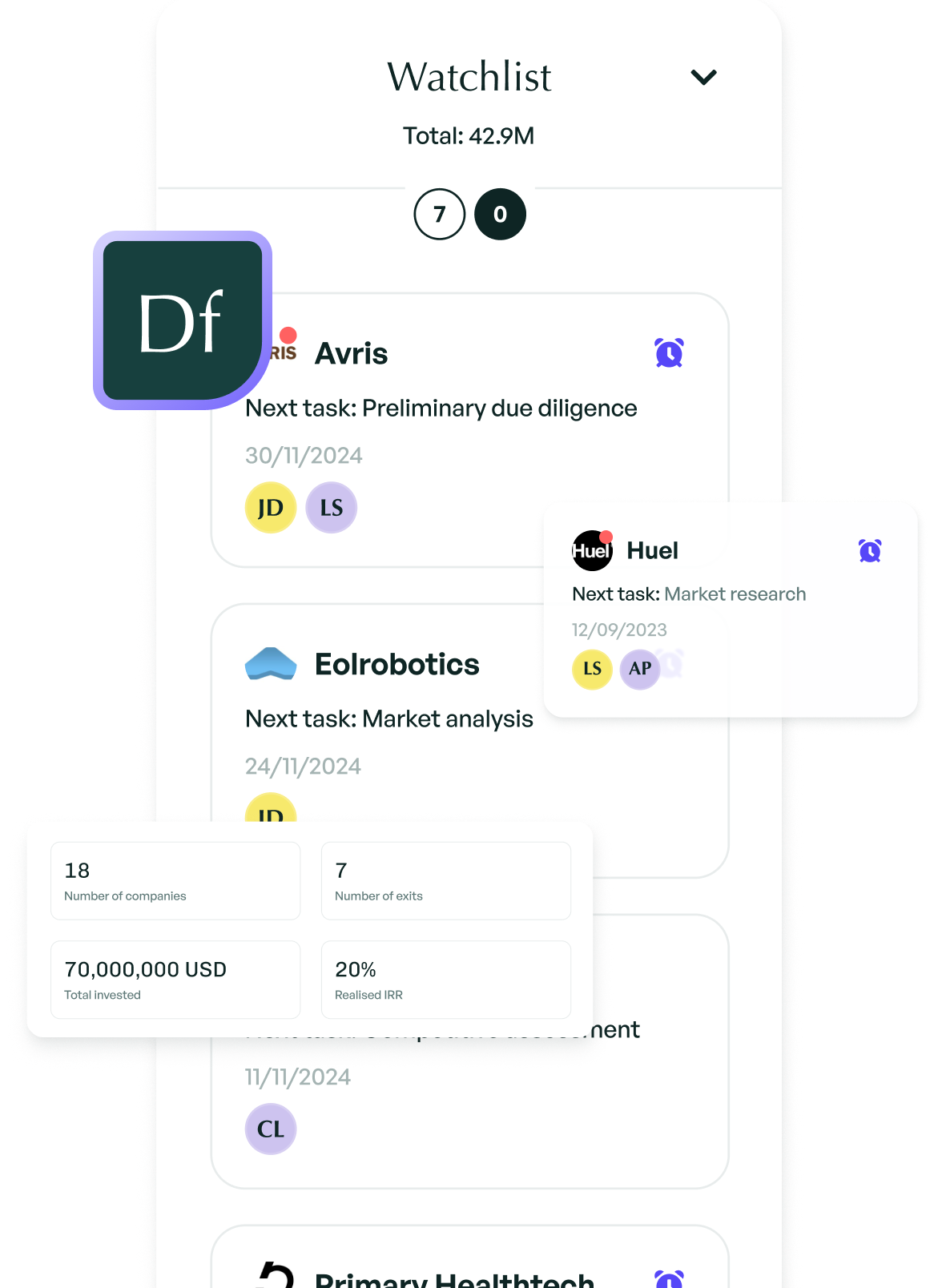
View more →Scouting is easier with Edda. Use Dealflow Review to collaboratively review deals and save time on building a slide deck. Clients report saving multiple days per month using Edda to replace traditional presentation means.
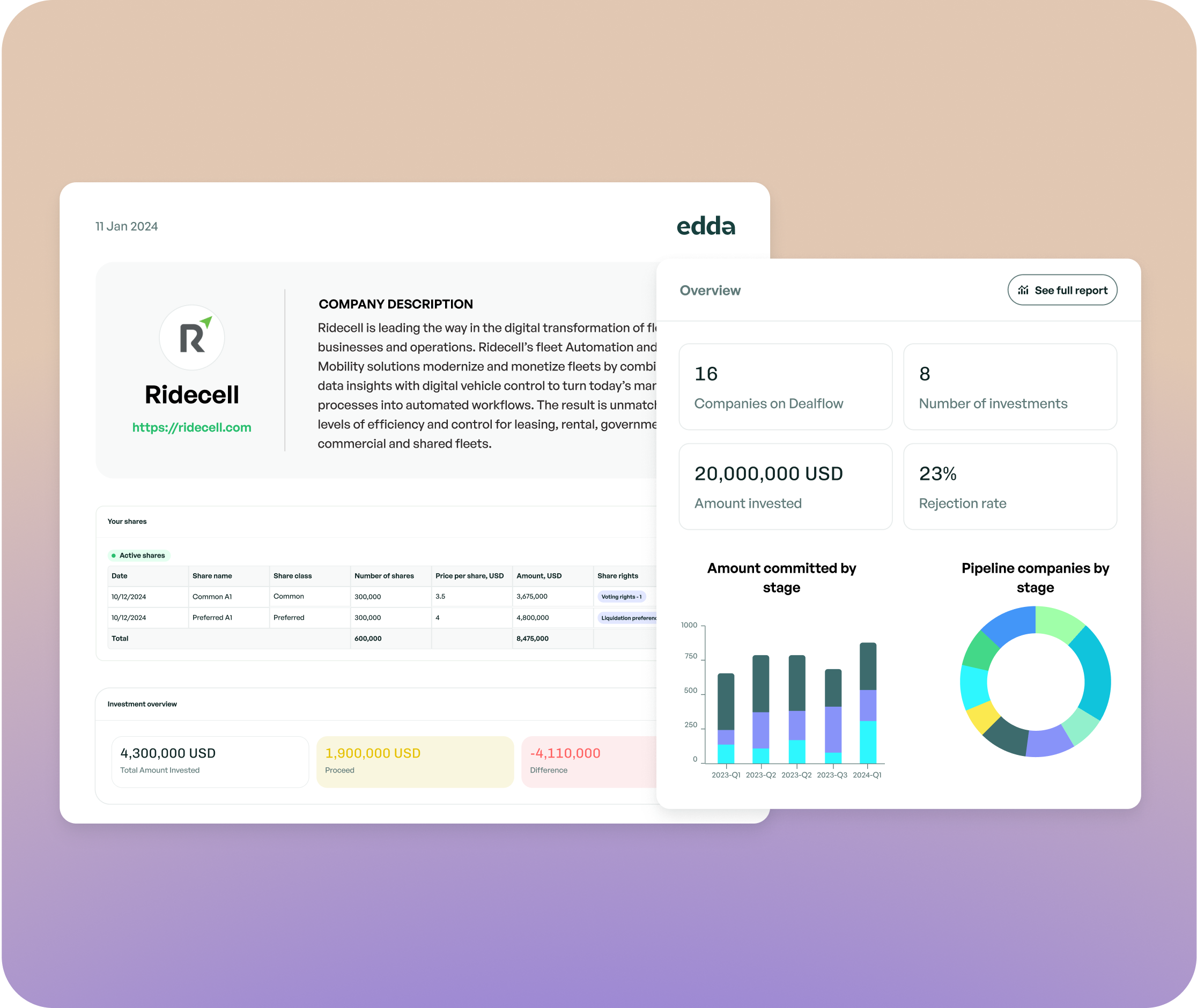
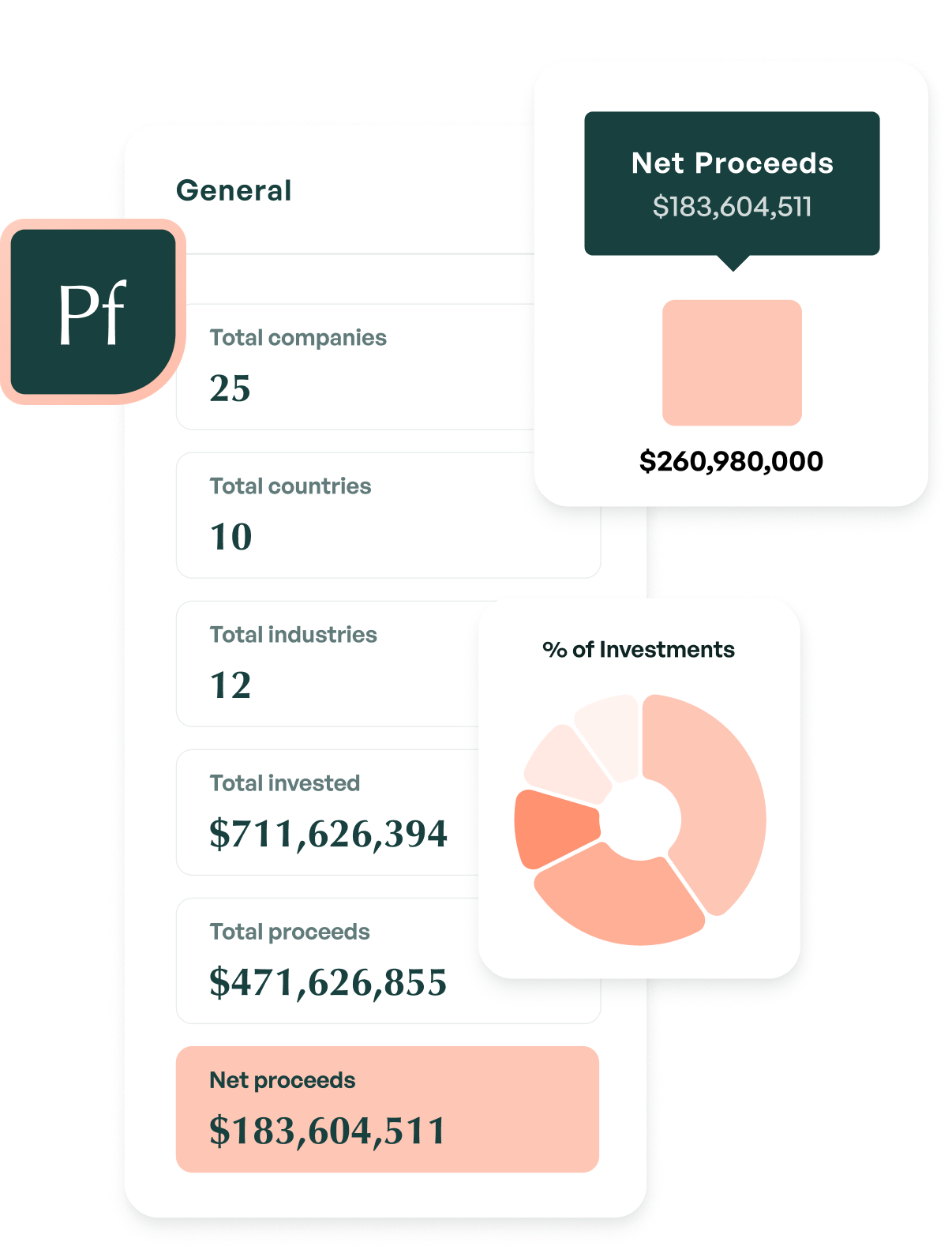
View more →Easily create reports for Dealflow and Portfolio without manual calculations or data management.
View more →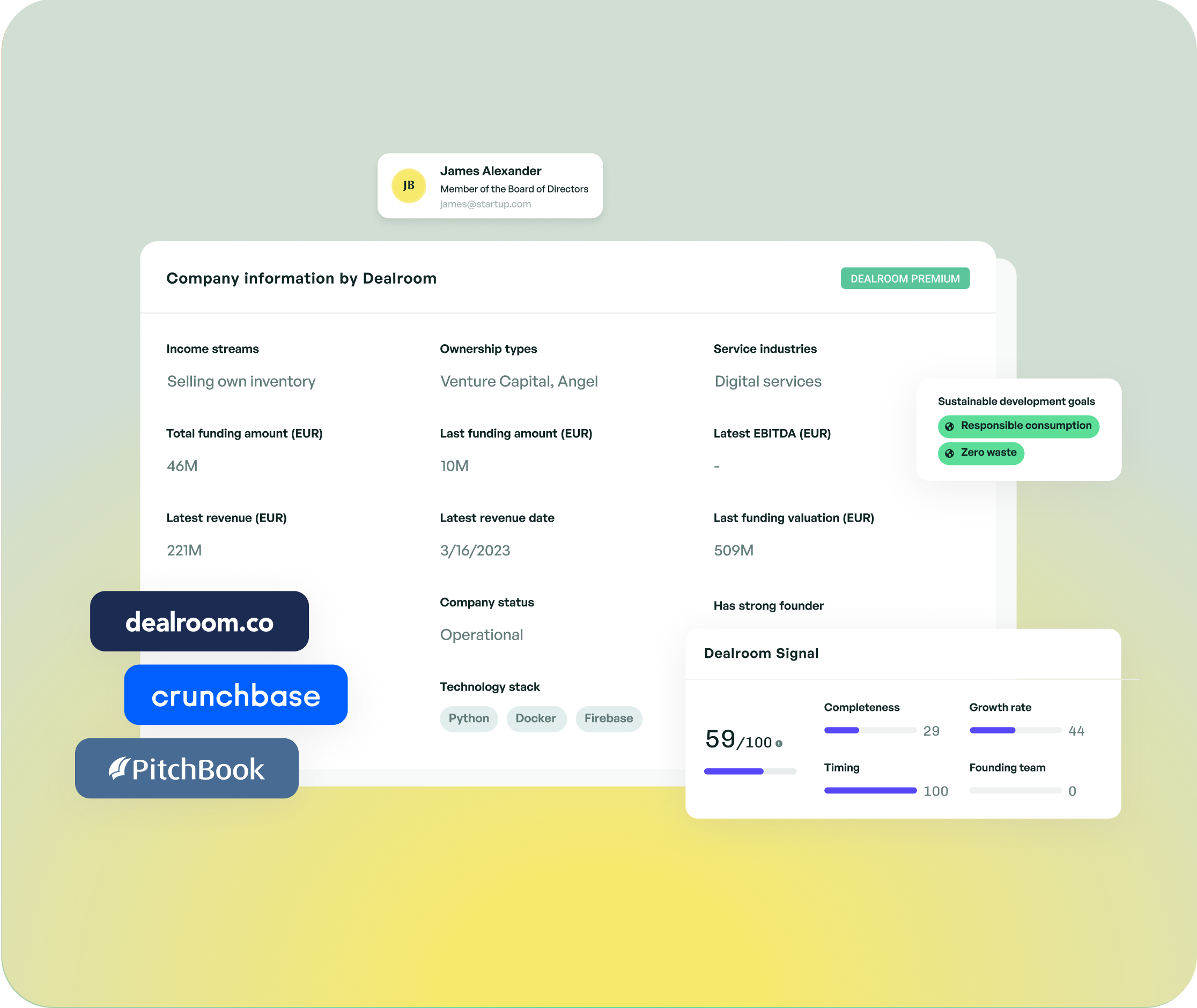
Create unique workflow governance
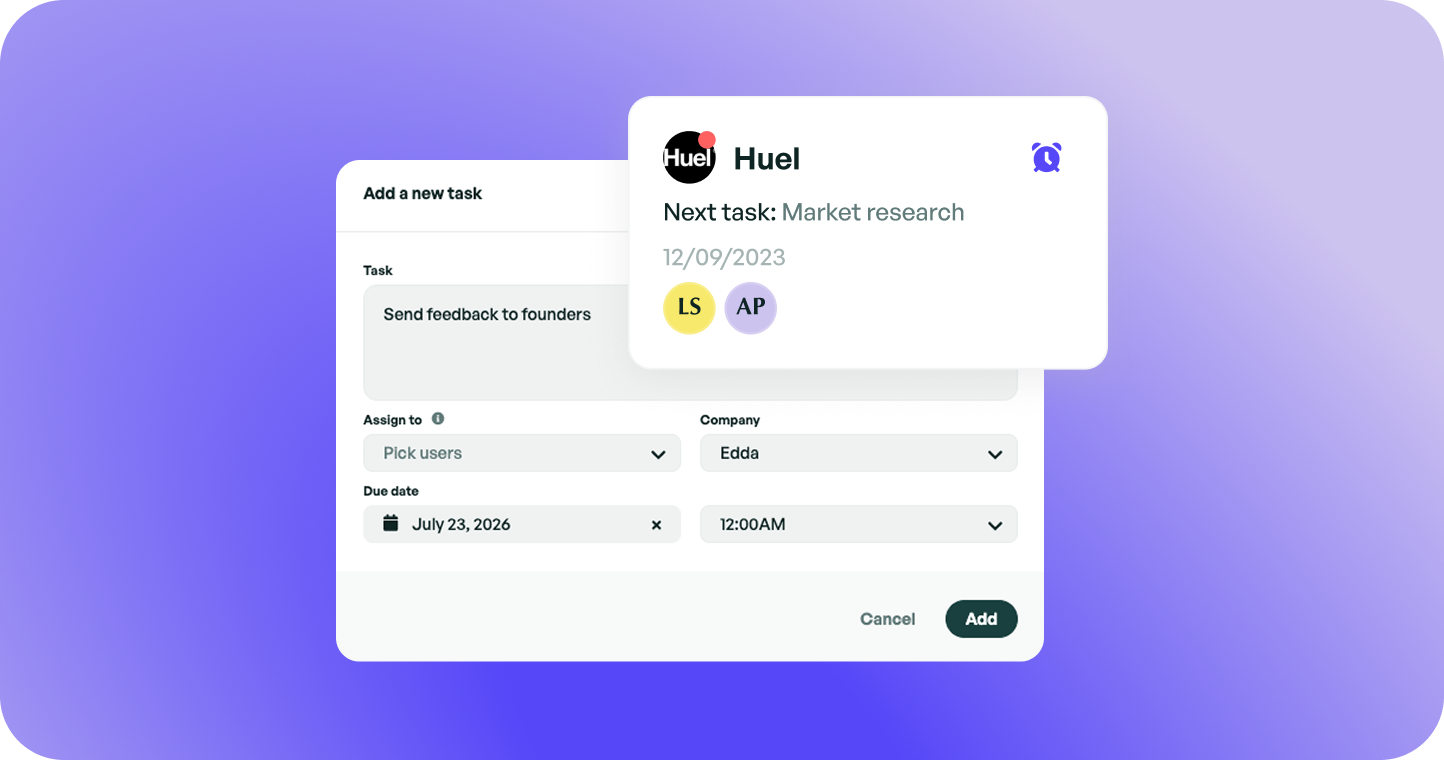
Align task templates with protocol
Create task templates based on your teams' systems and ensure consistent processes.
See more →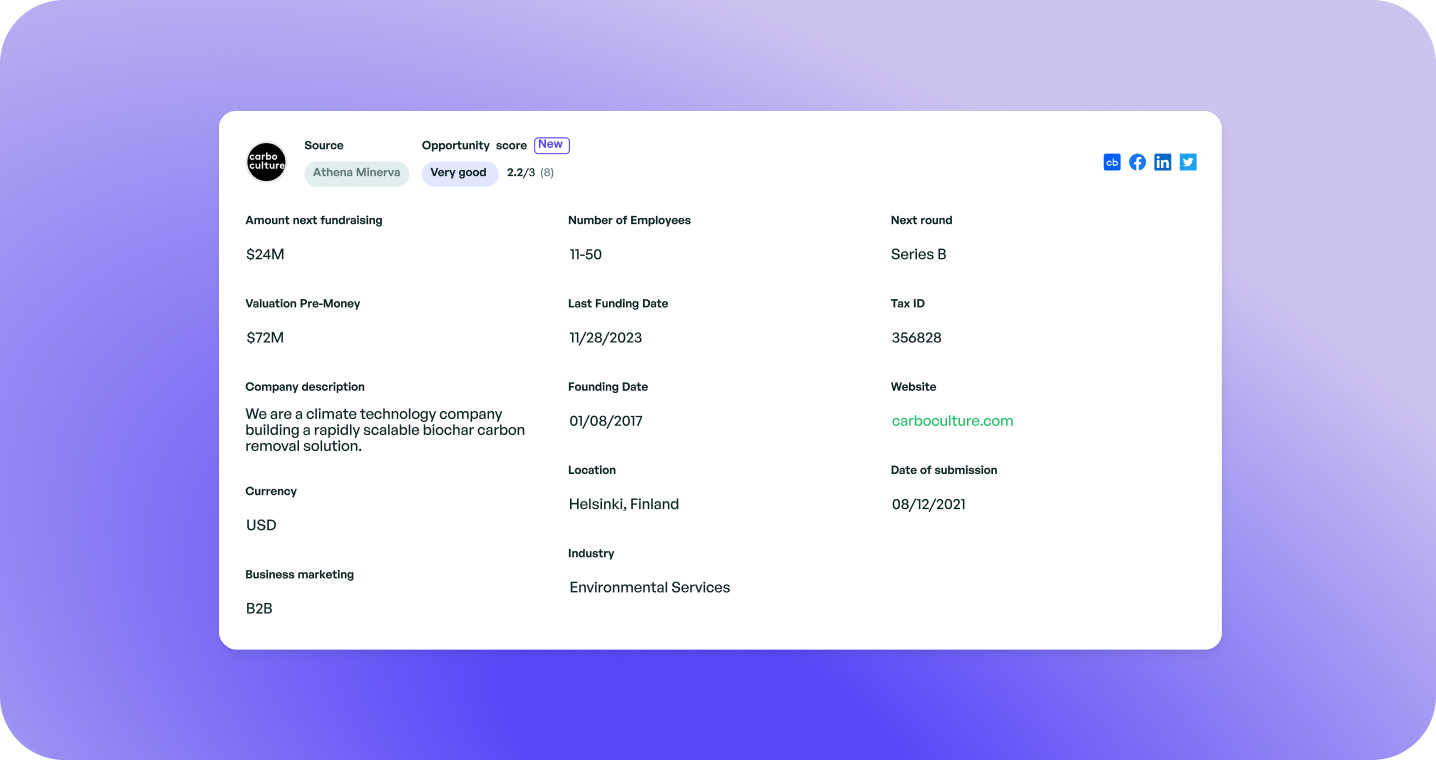
Create mandatory and custom fields
Require information for companies and contacts in Edda based on what's most important to your team.
See more →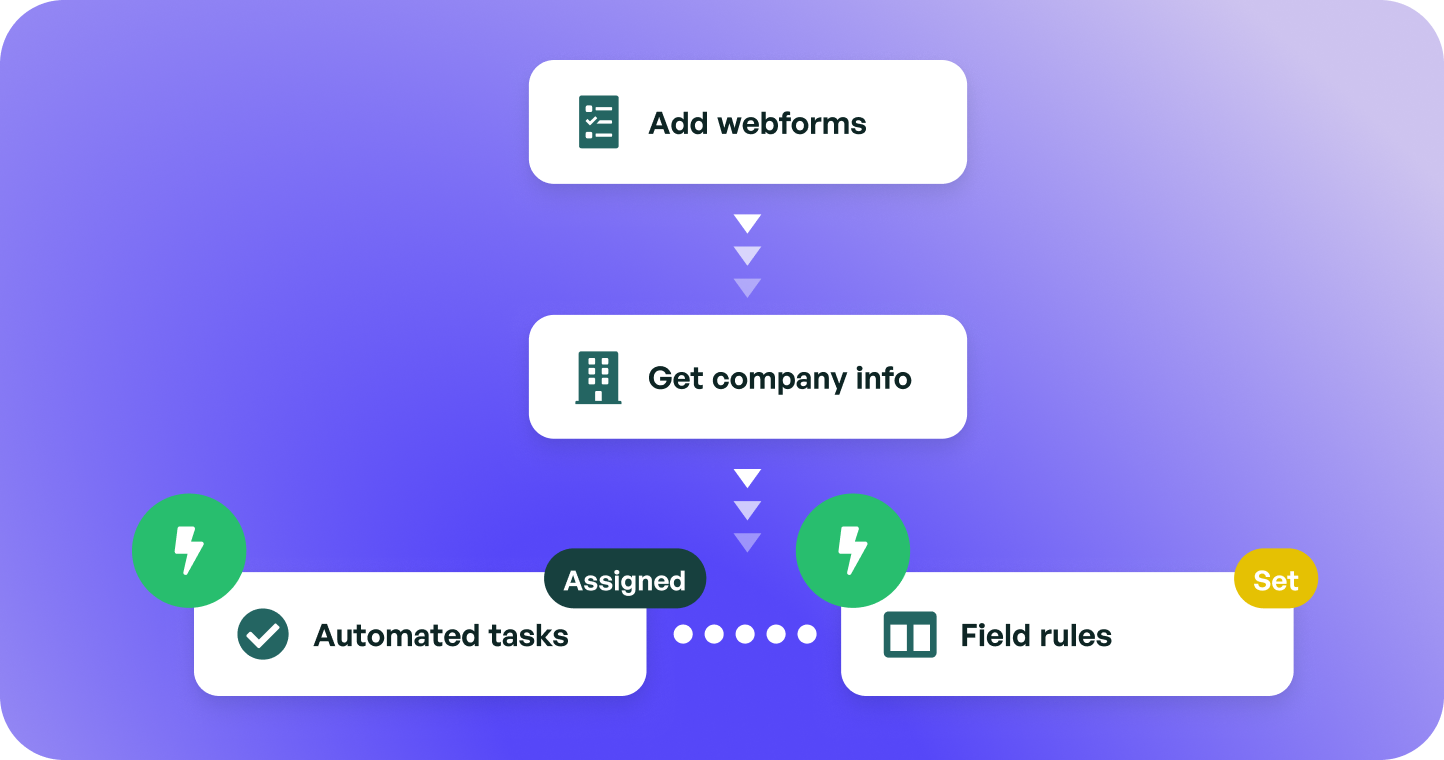
Specialized investment CRM
Talk with usRelationship Intelligence
Get instant network insights with Connection Strength signals, displayed alongside your Edda contacts.
View more →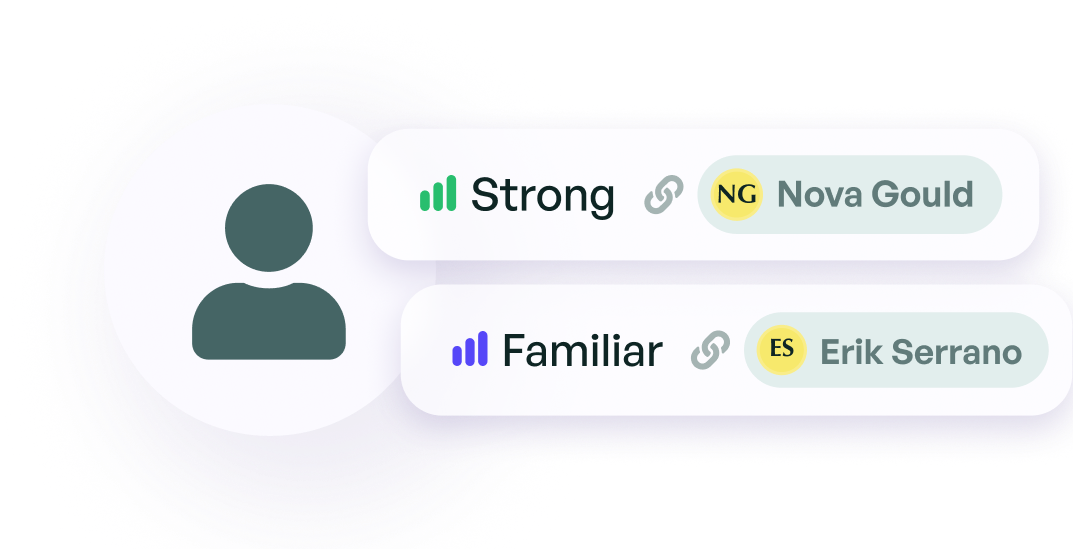
Company Scoring
Evaluate companies based on your chosen criteria. Streamline the feedback process from your team directly on the platform.
View more →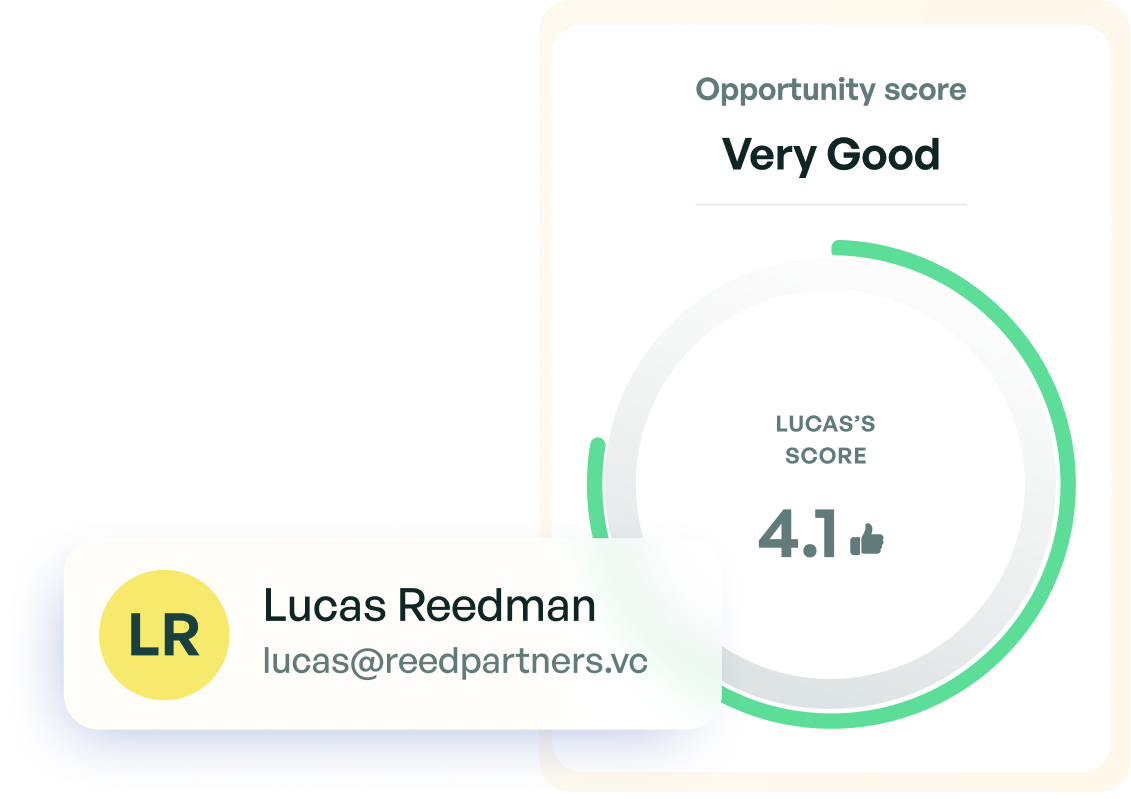
Dedicated Collaborator Interface
Facilitate communication across your deals, reports, and more with your investment team via a dedicated interface.
View more →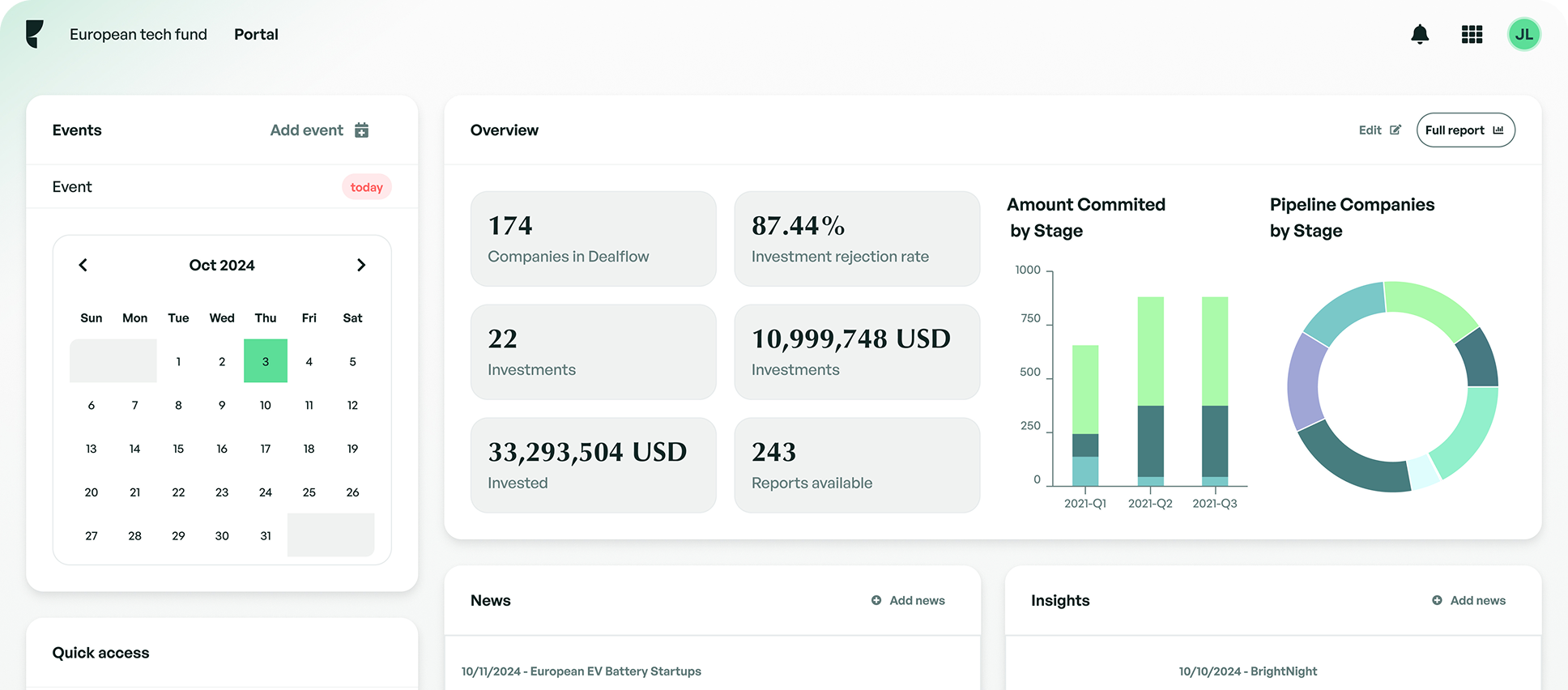
Scale with security
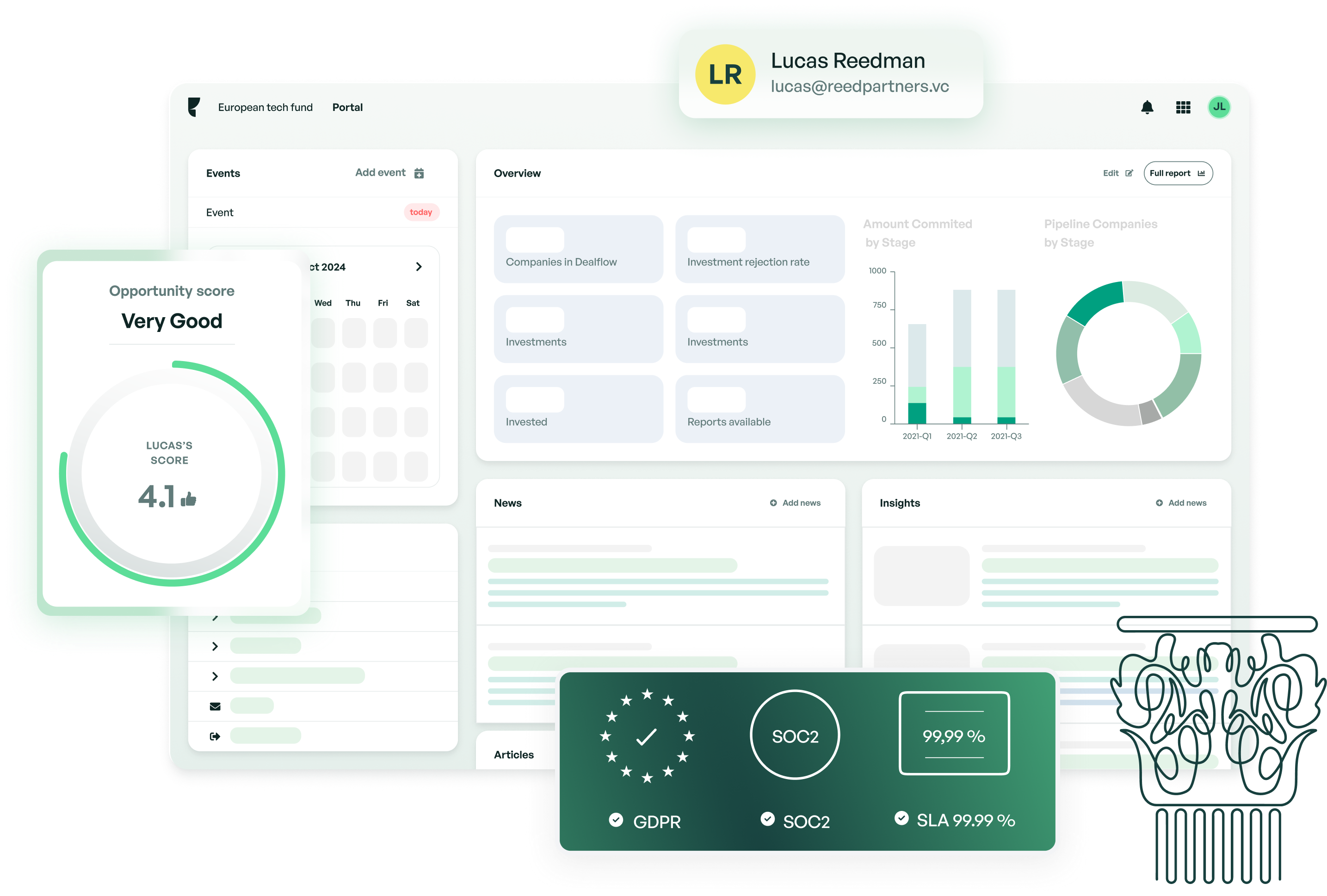
All data is secured and private on Edda. Our platform is built to international information security standards.


GDPR

SOC2

SLA 99,99 %
Centralize your investing with Edda
Never lose any deals or data with Edda's all-in-one platform for CVCs.
Integrations
Edda is proud to offer leading investor-preferred tools to centralize your data and streamline your workflow, natively-integrated and 7000+ others through Zapier.
Talk with us





Case Studies
How Edda helps investors like you
Learn how clients use Edda to save time and energy across their workflow
 UK
UK  Private Equity & Venture Capital

Corporate venture capital (CVC) units operate at the intersection of strategic innovation and financial returns. Unlike independent venture capital firms, CVCs must align startup investments with the parent company’s long-term objectives while meeting corporate governance and reporting standards. This dual mandate demands a specialized tech stack—one that balances deal sourcing, portfolio management, and seamless integration with enterprise systems. Corporate venture capital software addresses these needs by consolidating workflows, automating compliance, and providing real-time visibility into both strategic and financial outcomes.
The Unique Challenges of CVC Tech Stacks
CVC teams face distinct operational hurdles that generic venture capital tools fail to address. The first is the need for dual reporting: while independent VCs focus on financial returns, CVCs must also demonstrate strategic alignment with the parent company’s business units. This requires tracking metrics beyond IRR and MOIC, such as technology adoption, market expansion, or supply chain synergies. A corporate venture capital platform must capture these dimensions without adding manual overhead.
Security is another non-negotiable. CVCs handle sensitive data—from proprietary deal pipelines to internal strategic memos—that cannot be exposed to third-party risks. Unlike standalone VC tools, CVC software must comply with enterprise-grade security frameworks, including SOC 2, GDPR, and role-based access controls. This is particularly critical when integrating with corporate IT systems, where a single vulnerability could compromise the entire organization.
Finally, CVCs struggle with fragmented workflows. Many teams rely on a patchwork of tools: a CRM for investor relations, a spreadsheet for portfolio tracking, and a separate system for LP reporting. This fragmentation leads to data silos, version control issues, and inefficiencies that scale with the portfolio. A unified platform eliminates these gaps by automating data flows between deal sourcing, investment tracking, and reporting.
How CVC Software Streamlines Dealflow and Portfolio Management
Dealflow management in CVCs is inherently more complex than in traditional VC firms. Sourcing often involves internal referrals from business units, external networks, and proprietary datasets. A cvc tech stack must centralize these inputs while allowing teams to filter opportunities based on both financial and strategic criteria. For example, a CVC investing in AI startups might prioritize deals that align with the parent company’s cloud infrastructure roadmap. Automated tagging and custom fields enable this level of granularity without manual data entry.
Once an investment is made, the deal transitions into portfolio management—a phase where CVCs must track not only financial performance but also strategic milestones. For instance, a healthcare CVC might monitor a startup’s FDA approvals or partnerships with the parent company’s R&D division. A dedicated portfolio management module provides real-time dashboards for these metrics, reducing the need for ad-hoc spreadsheets or external reporting tools. This visibility is critical for quarterly reviews with corporate leadership, where CVCs must justify investments in terms of both ROI and strategic value.
Automation plays a key role in reducing operational friction. For example, when a deal is marked as "invested," the system should automatically update the portfolio, generate LP reports, and trigger follow-on workflows (e.g., onboarding the startup into the parent company’s vendor ecosystem). This end-to-end integration is a hallmark of purpose-built CVC software, distinguishing it from generic VC tools that require manual handoffs between stages.
Security and Compliance: Non-Negotiables for CVC Platforms
For CVCs, security is not just a feature—it’s a prerequisite. Corporate venture capital teams operate under the same IT policies as the parent company, meaning their software must meet enterprise-grade standards. This includes SOC 2 compliance, encryption at rest and in transit, and granular user permissions. For example, a CVC team might restrict access to deal pipelines to managing partners while allowing business unit leaders to view portfolio performance. A robust security framework ensures these controls are enforced without compromising usability.
Compliance extends beyond data protection. CVCs must adhere to corporate reporting standards, which often exceed the requirements of independent VCs. For instance, a publicly traded company’s CVC unit may need to disclose portfolio valuations in quarterly earnings reports. A corporate venture capital platform automates these disclosures by integrating with enterprise ERP systems, reducing the risk of errors or delays. This is particularly valuable for CVCs operating in regulated industries like healthcare or financial services, where non-compliance can result in legal or reputational risks.
Integration with corporate IT systems is another critical consideration. CVCs often need to sync data with internal tools like Microsoft Teams, Outlook, or Google Drive. A secure API layer ensures these integrations are seamless and auditable, preventing data leaks while maintaining workflow continuity. For example, a CVC team might use Slack to collaborate on due diligence while ensuring all documents are stored in a compliant, centralized repository.
Why CVCs Need a Dedicated Platform Over Generic VC Tools
Generic venture capital software is designed for independent firms, not CVCs. These tools typically focus on financial metrics and LP reporting, neglecting the strategic dimensions of corporate venture capital. For example, a traditional VC CRM might track investor relationships but lack fields for capturing synergies with the parent company’s business units. A cvc software solution fills this gap by providing customizable workflows that align with corporate objectives.
Another limitation of generic tools is their lack of enterprise-grade security. Many VC platforms prioritize speed and usability over compliance, making them unsuitable for CVCs operating under corporate IT policies. For instance, a CVC team at a Fortune 500 company cannot afford to use a tool that doesn’t support single sign-on (SSO) or role-based access controls. Purpose-built CVC software addresses these requirements from the ground up, ensuring compatibility with corporate security frameworks.
Finally, CVCs benefit from platforms that understand their unique reporting needs. While independent VCs report to LPs, CVCs must also communicate with corporate leadership, business units, and sometimes external stakeholders like regulators. A dedicated platform provides templates for these reports, automating the aggregation of financial and strategic data. This reduces the time spent on manual reporting and ensures consistency across all communications.
FAQ
What makes corporate venture capital software different from traditional VC tools?
Corporate venture capital software is designed to address the dual mandates of CVCs: financial returns and strategic alignment with the parent company. Unlike traditional VC tools, which focus primarily on deal sourcing and LP reporting, CVC software includes features for tracking strategic metrics, integrating with corporate IT systems, and automating compliance with enterprise security standards. For example, a CVC platform might include fields for capturing synergies with the parent company’s business units or templates for reporting to corporate leadership.
Additionally, CVC software prioritizes security and integration capabilities that generic VC tools often lack. This includes support for SOC 2 compliance, role-based access controls, and seamless connectivity with enterprise systems like Microsoft Teams or Google Drive. These features are essential for CVCs operating under corporate IT policies, where data security and workflow continuity are non-negotiable.
How does Edda’s platform address the specific needs of CVC teams?
Edda’s platform is built to support the end-to-end workflows of CVC teams, from deal sourcing to portfolio management and reporting. One key differentiator is its ability to track both financial and strategic metrics in a single system. For example, a CVC using Edda can monitor a startup’s revenue growth alongside its alignment with the parent company’s technology roadmap. This dual visibility is critical for CVCs, which must justify investments to both LPs and corporate leadership.
The platform also includes enterprise-grade security features, such as SOC 2 compliance and granular user permissions. This ensures that sensitive data—such as proprietary deal pipelines or internal strategic memos—remains protected while integrating with corporate IT systems. Edda’s integration ecosystem further streamlines workflows by connecting with tools like Slack, Outlook, and Google Drive, reducing the need for manual data transfers.
Can CVC software integrate with existing corporate IT systems?
Yes, purpose-built CVC software is designed to integrate seamlessly with corporate IT systems. For example, Edda’s platform includes APIs and pre-built connectors for tools like Microsoft Teams, Outlook, and Google Drive. This allows CVC teams to collaborate on deals and share documents without leaving their existing workflows. Integration with enterprise ERP systems is also possible, enabling automated reporting for financial and strategic metrics.
Security is a top priority in these integrations. CVC software ensures that data shared between systems is encrypted and compliant with corporate IT policies. For instance, a CVC team might use Slack to discuss due diligence while storing all documents in a centralized, SOC 2-compliant repository. This approach minimizes the risk of data leaks while maintaining workflow efficiency.
What are the key features to look for in a CVC platform?
The most important features in a corporate venture capital platform include:
Dual reporting capabilities: The ability to track both financial and strategic metrics, such as IRR alongside synergies with the parent company’s business units. This ensures CVCs can demonstrate value to both LPs and corporate leadership.
Enterprise-grade security: Compliance with SOC 2, GDPR, and other corporate IT standards, along with role-based access controls. This is critical for CVCs handling sensitive data under corporate governance policies.
Integration with corporate tools: Pre-built connectors for systems like Microsoft Teams, Outlook, and Google Drive, as well as APIs for custom integrations. This reduces manual data transfers and ensures workflow continuity.
Automated workflows: End-to-end automation, such as moving a deal from sourcing to portfolio management when it’s marked as "invested." This eliminates manual handoffs and reduces operational friction.
Customizable reporting: Templates for LP reports, corporate disclosures, and strategic reviews. This ensures consistency and reduces the time spent on manual reporting.
How does Edda’s HERA.I suite enhance CVC operations?
Edda’s HERA.I suite brings AI-driven automation to CVC workflows, reducing manual tasks and improving decision-making. For example, the Pitch Deck Reader module extracts key data from startup pitch decks, such as market size or traction metrics, and populates it directly into the deal pipeline. This saves time and ensures consistency in deal evaluation.
The Cap Table Importer simplifies portfolio onboarding by automatically extracting ownership data from cap tables, reducing the risk of errors in financial reporting. The Due Diligence Assistant helps teams evaluate startups by surfacing relevant data points, such as competitive positioning or regulatory risks. Finally, the Decision Writer generates standardized rejection letters, ensuring professionalism and consistency in communications with founders.
These modules are particularly valuable for CVCs, which often operate with lean teams and tight deadlines. By automating repetitive tasks, HERA.I allows CVCs to focus on high-value activities like deal sourcing and strategic alignment with the parent company.
The Unique Challenges of CVC Tech Stacks
CVC teams face distinct operational hurdles that generic venture capital tools fail to address. The first is the need for dual reporting: while independent VCs focus on financial returns, CVCs must also demonstrate strategic alignment with the parent company’s business units. This requires tracking metrics beyond IRR and MOIC, such as technology adoption, market expansion, or supply chain synergies. A corporate venture capital platform must capture these dimensions without adding manual overhead.
Security is another non-negotiable. CVCs handle sensitive data—from proprietary deal pipelines to internal strategic memos—that cannot be exposed to third-party risks. Unlike standalone VC tools, CVC software must comply with enterprise-grade security frameworks, including SOC 2, GDPR, and role-based access controls. This is particularly critical when integrating with corporate IT systems, where a single vulnerability could compromise the entire organization.
Finally, CVCs struggle with fragmented workflows. Many teams rely on a patchwork of tools: a CRM for investor relations, a spreadsheet for portfolio tracking, and a separate system for LP reporting. This fragmentation leads to data silos, version control issues, and inefficiencies that scale with the portfolio. A unified platform eliminates these gaps by automating data flows between deal sourcing, investment tracking, and reporting.
How CVC Software Streamlines Dealflow and Portfolio Management
Dealflow management in CVCs is inherently more complex than in traditional VC firms. Sourcing often involves internal referrals from business units, external networks, and proprietary datasets. A cvc tech stack must centralize these inputs while allowing teams to filter opportunities based on both financial and strategic criteria. For example, a CVC investing in AI startups might prioritize deals that align with the parent company’s cloud infrastructure roadmap. Automated tagging and custom fields enable this level of granularity without manual data entry.
Once an investment is made, the deal transitions into portfolio management—a phase where CVCs must track not only financial performance but also strategic milestones. For instance, a healthcare CVC might monitor a startup’s FDA approvals or partnerships with the parent company’s R&D division. A dedicated portfolio management module provides real-time dashboards for these metrics, reducing the need for ad-hoc spreadsheets or external reporting tools. This visibility is critical for quarterly reviews with corporate leadership, where CVCs must justify investments in terms of both ROI and strategic value.
Automation plays a key role in reducing operational friction. For example, when a deal is marked as "invested," the system should automatically update the portfolio, generate LP reports, and trigger follow-on workflows (e.g., onboarding the startup into the parent company’s vendor ecosystem). This end-to-end integration is a hallmark of purpose-built CVC software, distinguishing it from generic VC tools that require manual handoffs between stages.
Security and Compliance: Non-Negotiables for CVC Platforms
For CVCs, security is not just a feature—it’s a prerequisite. Corporate venture capital teams operate under the same IT policies as the parent company, meaning their software must meet enterprise-grade standards. This includes SOC 2 compliance, encryption at rest and in transit, and granular user permissions. For example, a CVC team might restrict access to deal pipelines to managing partners while allowing business unit leaders to view portfolio performance. A robust security framework ensures these controls are enforced without compromising usability.
Compliance extends beyond data protection. CVCs must adhere to corporate reporting standards, which often exceed the requirements of independent VCs. For instance, a publicly traded company’s CVC unit may need to disclose portfolio valuations in quarterly earnings reports. A corporate venture capital platform automates these disclosures by integrating with enterprise ERP systems, reducing the risk of errors or delays. This is particularly valuable for CVCs operating in regulated industries like healthcare or financial services, where non-compliance can result in legal or reputational risks.
Integration with corporate IT systems is another critical consideration. CVCs often need to sync data with internal tools like Microsoft Teams, Outlook, or Google Drive. A secure API layer ensures these integrations are seamless and auditable, preventing data leaks while maintaining workflow continuity. For example, a CVC team might use Slack to collaborate on due diligence while ensuring all documents are stored in a compliant, centralized repository.
Why CVCs Need a Dedicated Platform Over Generic VC Tools
Generic venture capital software is designed for independent firms, not CVCs. These tools typically focus on financial metrics and LP reporting, neglecting the strategic dimensions of corporate venture capital. For example, a traditional VC CRM might track investor relationships but lack fields for capturing synergies with the parent company’s business units. A cvc software solution fills this gap by providing customizable workflows that align with corporate objectives.
Another limitation of generic tools is their lack of enterprise-grade security. Many VC platforms prioritize speed and usability over compliance, making them unsuitable for CVCs operating under corporate IT policies. For instance, a CVC team at a Fortune 500 company cannot afford to use a tool that doesn’t support single sign-on (SSO) or role-based access controls. Purpose-built CVC software addresses these requirements from the ground up, ensuring compatibility with corporate security frameworks.
Finally, CVCs benefit from platforms that understand their unique reporting needs. While independent VCs report to LPs, CVCs must also communicate with corporate leadership, business units, and sometimes external stakeholders like regulators. A dedicated platform provides templates for these reports, automating the aggregation of financial and strategic data. This reduces the time spent on manual reporting and ensures consistency across all communications.
FAQ
What makes corporate venture capital software different from traditional VC tools?
Corporate venture capital software is designed to address the dual mandates of CVCs: financial returns and strategic alignment with the parent company. Unlike traditional VC tools, which focus primarily on deal sourcing and LP reporting, CVC software includes features for tracking strategic metrics, integrating with corporate IT systems, and automating compliance with enterprise security standards. For example, a CVC platform might include fields for capturing synergies with the parent company’s business units or templates for reporting to corporate leadership.
Additionally, CVC software prioritizes security and integration capabilities that generic VC tools often lack. This includes support for SOC 2 compliance, role-based access controls, and seamless connectivity with enterprise systems like Microsoft Teams or Google Drive. These features are essential for CVCs operating under corporate IT policies, where data security and workflow continuity are non-negotiable.
How does Edda’s platform address the specific needs of CVC teams?
Edda’s platform is built to support the end-to-end workflows of CVC teams, from deal sourcing to portfolio management and reporting. One key differentiator is its ability to track both financial and strategic metrics in a single system. For example, a CVC using Edda can monitor a startup’s revenue growth alongside its alignment with the parent company’s technology roadmap. This dual visibility is critical for CVCs, which must justify investments to both LPs and corporate leadership.
The platform also includes enterprise-grade security features, such as SOC 2 compliance and granular user permissions. This ensures that sensitive data—such as proprietary deal pipelines or internal strategic memos—remains protected while integrating with corporate IT systems. Edda’s integration ecosystem further streamlines workflows by connecting with tools like Slack, Outlook, and Google Drive, reducing the need for manual data transfers.
Can CVC software integrate with existing corporate IT systems?
Yes, purpose-built CVC software is designed to integrate seamlessly with corporate IT systems. For example, Edda’s platform includes APIs and pre-built connectors for tools like Microsoft Teams, Outlook, and Google Drive. This allows CVC teams to collaborate on deals and share documents without leaving their existing workflows. Integration with enterprise ERP systems is also possible, enabling automated reporting for financial and strategic metrics.
Security is a top priority in these integrations. CVC software ensures that data shared between systems is encrypted and compliant with corporate IT policies. For instance, a CVC team might use Slack to discuss due diligence while storing all documents in a centralized, SOC 2-compliant repository. This approach minimizes the risk of data leaks while maintaining workflow efficiency.
What are the key features to look for in a CVC platform?
The most important features in a corporate venture capital platform include:
Dual reporting capabilities: The ability to track both financial and strategic metrics, such as IRR alongside synergies with the parent company’s business units. This ensures CVCs can demonstrate value to both LPs and corporate leadership.
Enterprise-grade security: Compliance with SOC 2, GDPR, and other corporate IT standards, along with role-based access controls. This is critical for CVCs handling sensitive data under corporate governance policies.
Integration with corporate tools: Pre-built connectors for systems like Microsoft Teams, Outlook, and Google Drive, as well as APIs for custom integrations. This reduces manual data transfers and ensures workflow continuity.
Automated workflows: End-to-end automation, such as moving a deal from sourcing to portfolio management when it’s marked as "invested." This eliminates manual handoffs and reduces operational friction.
Customizable reporting: Templates for LP reports, corporate disclosures, and strategic reviews. This ensures consistency and reduces the time spent on manual reporting.
How does Edda’s HERA.I suite enhance CVC operations?
Edda’s HERA.I suite brings AI-driven automation to CVC workflows, reducing manual tasks and improving decision-making. For example, the Pitch Deck Reader module extracts key data from startup pitch decks, such as market size or traction metrics, and populates it directly into the deal pipeline. This saves time and ensures consistency in deal evaluation.
The Cap Table Importer simplifies portfolio onboarding by automatically extracting ownership data from cap tables, reducing the risk of errors in financial reporting. The Due Diligence Assistant helps teams evaluate startups by surfacing relevant data points, such as competitive positioning or regulatory risks. Finally, the Decision Writer generates standardized rejection letters, ensuring professionalism and consistency in communications with founders.
These modules are particularly valuable for CVCs, which often operate with lean teams and tight deadlines. By automating repetitive tasks, HERA.I allows CVCs to focus on high-value activities like deal sourcing and strategic alignment with the parent company.