The only end-to-end VC solution
Edda is the only end-to-end solution for venture capital firms. Discover purpose-built tools for the entire investing process: from deal to exit.
Trusted by investors in your industry
Enriched Deal Origination
New deals don't require manual data entry on Edda. Using our integrated databases, Crunchbase, Pitchbook and Dealroom, your company and its information is added directly into your pipeline.
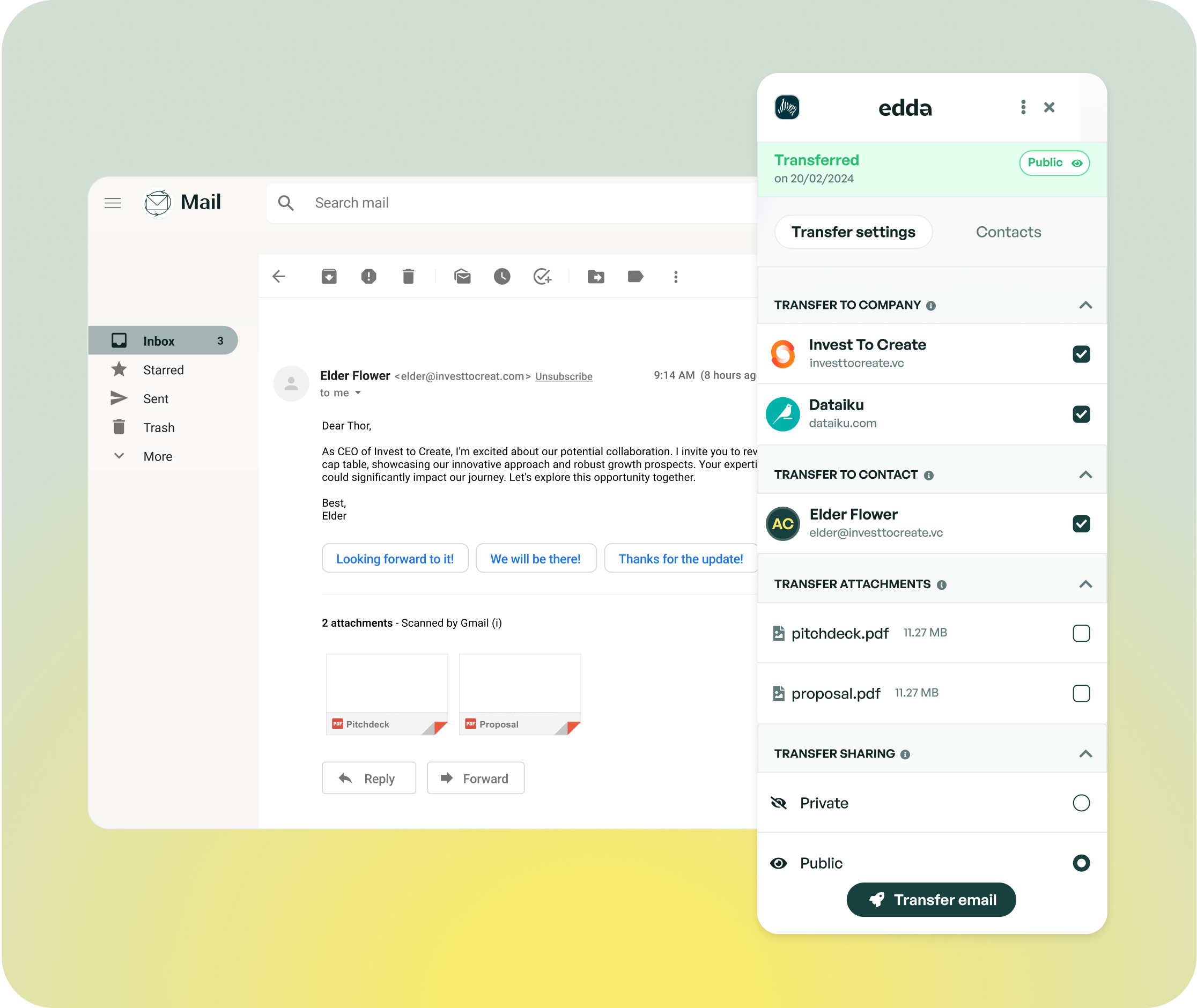
View more →Manage your deal-related conversations without leaving your inbox. Log emails, create companies and update deals directly from Gmail or Outlook with the Edda plugin.
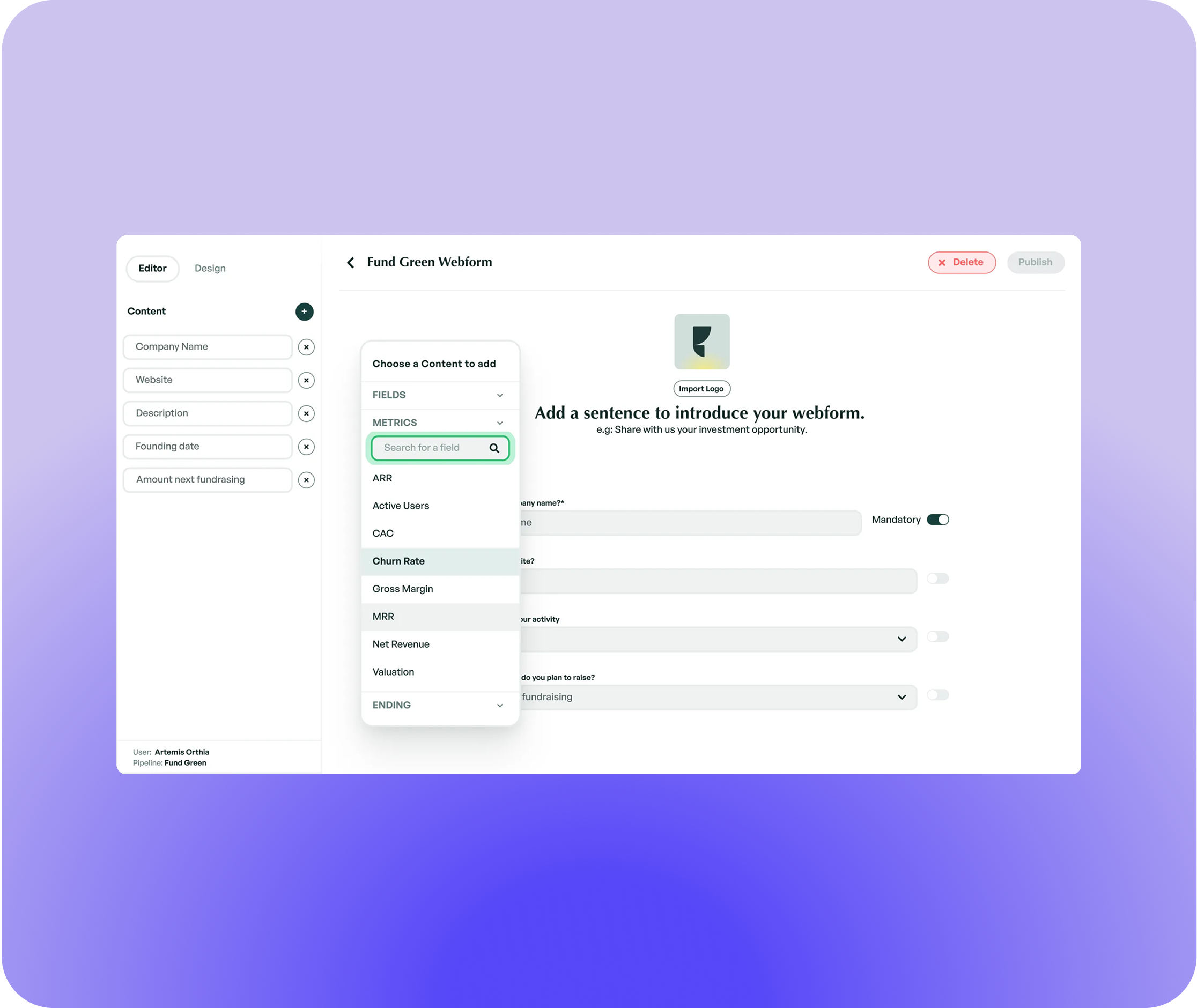
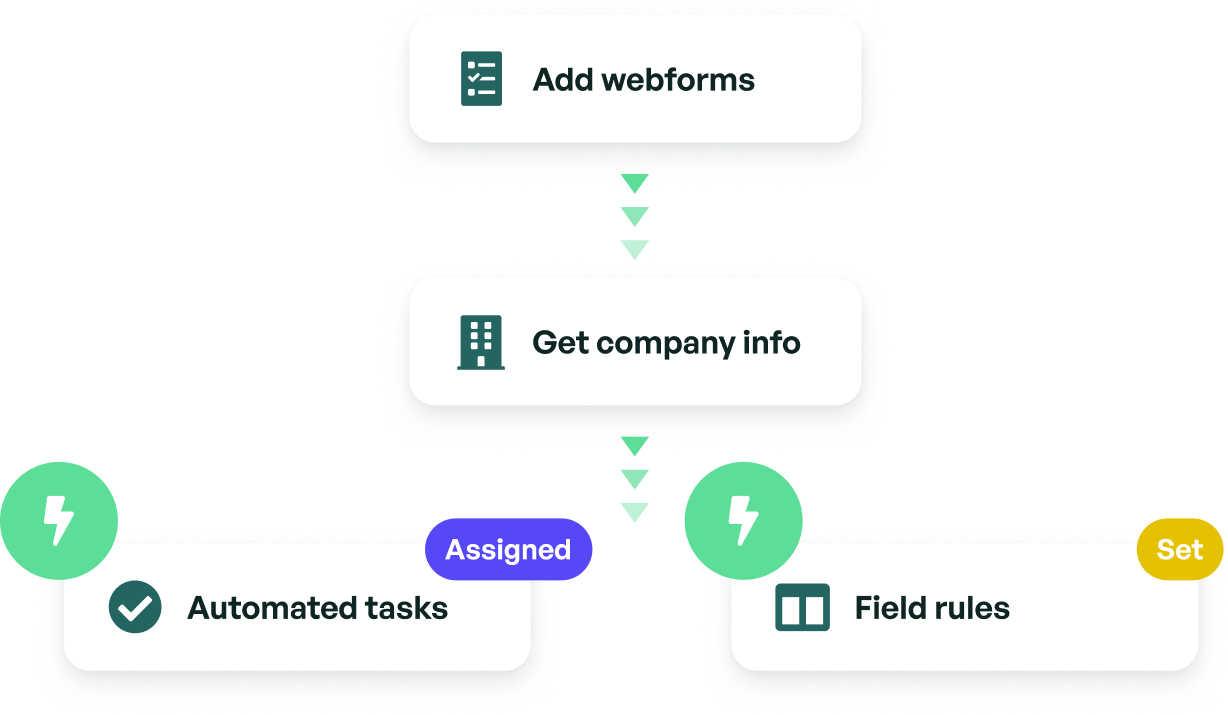
View more →Let founders apply directly through an embeddable webform. Applications flow straight into your pipeline, fully structured and ready to review.
View more →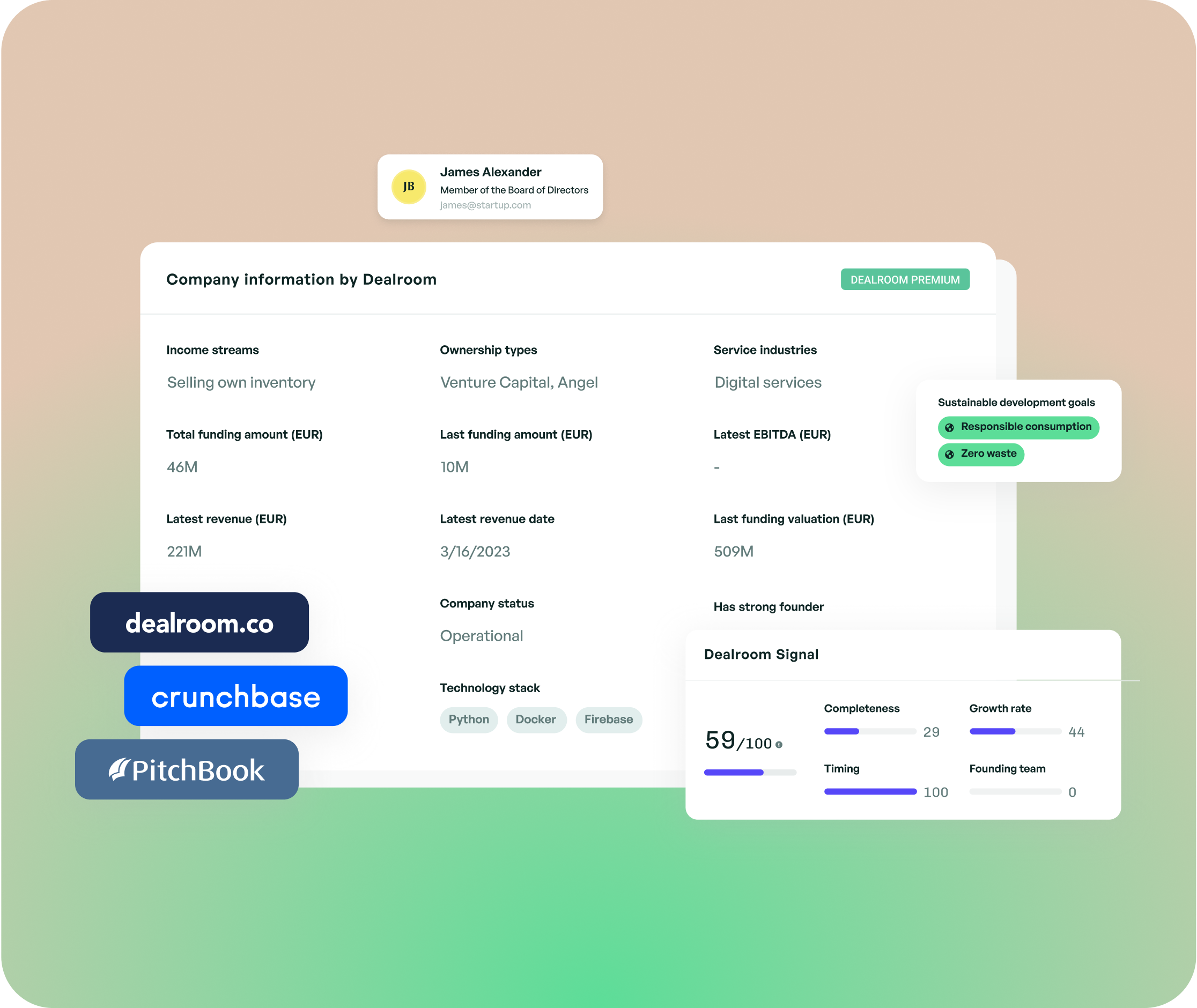
Bolstered Due Diligence
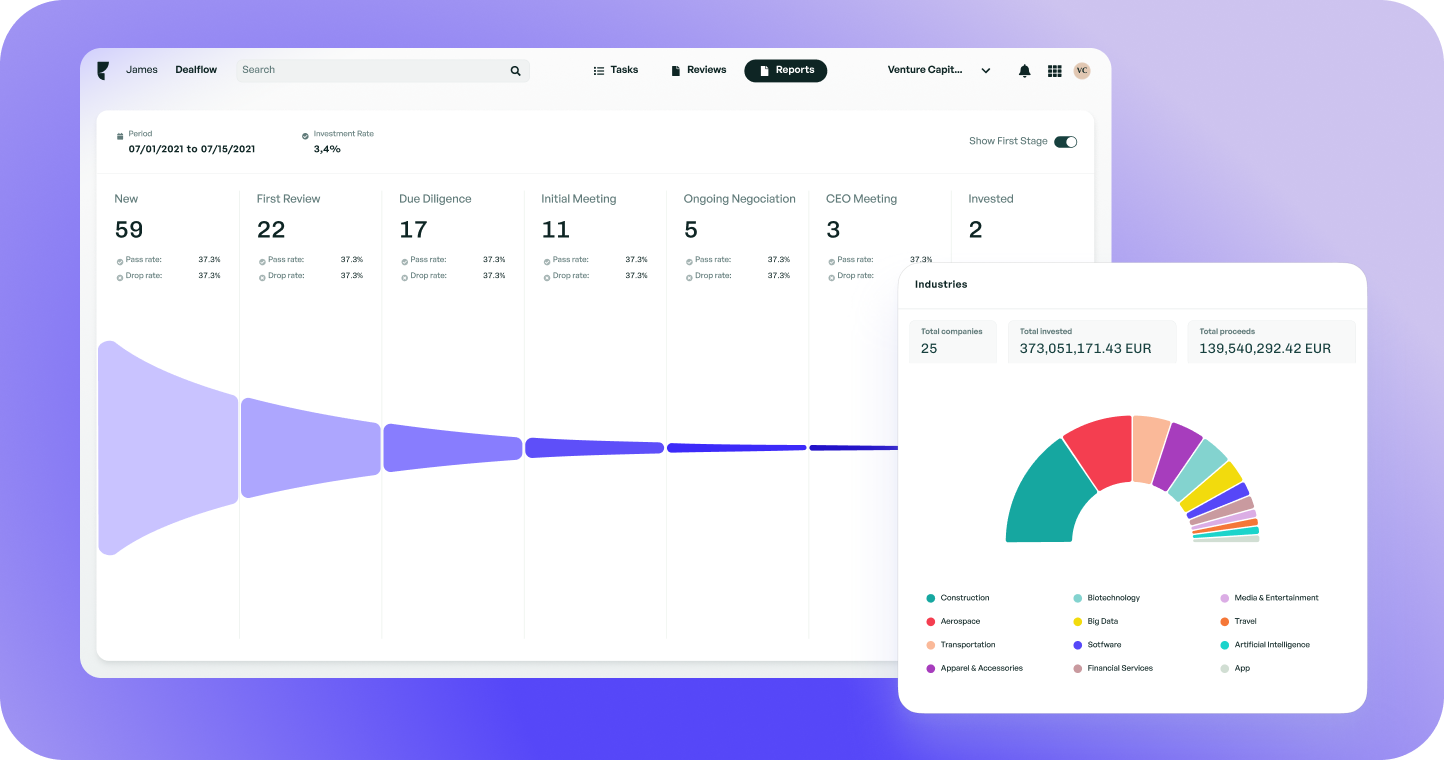
Dealflow reporting
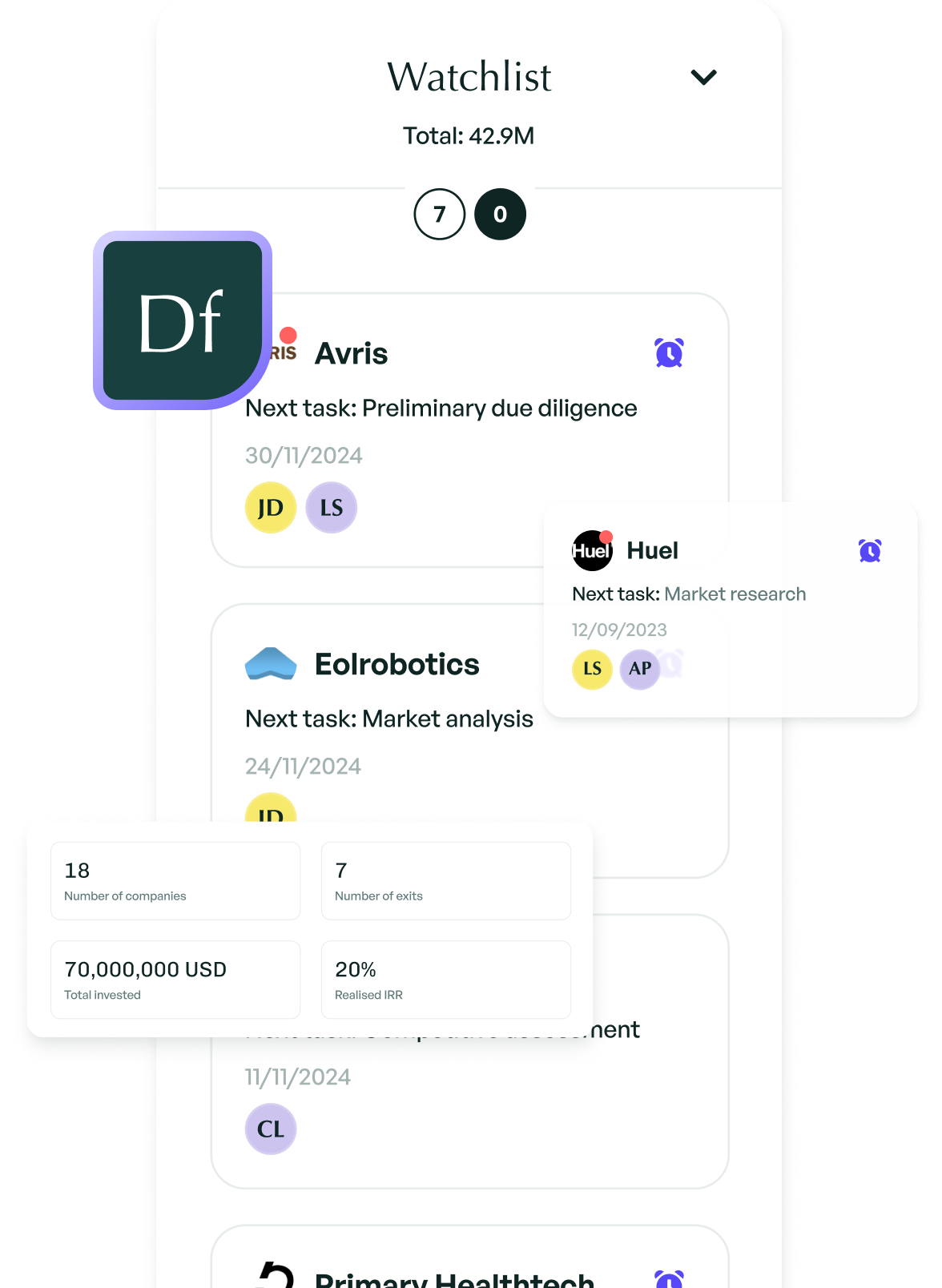
Edda captures your deal flow data to generate reports in seconds. Understand and analyze your pipeline by stages, queries, sources.
See more →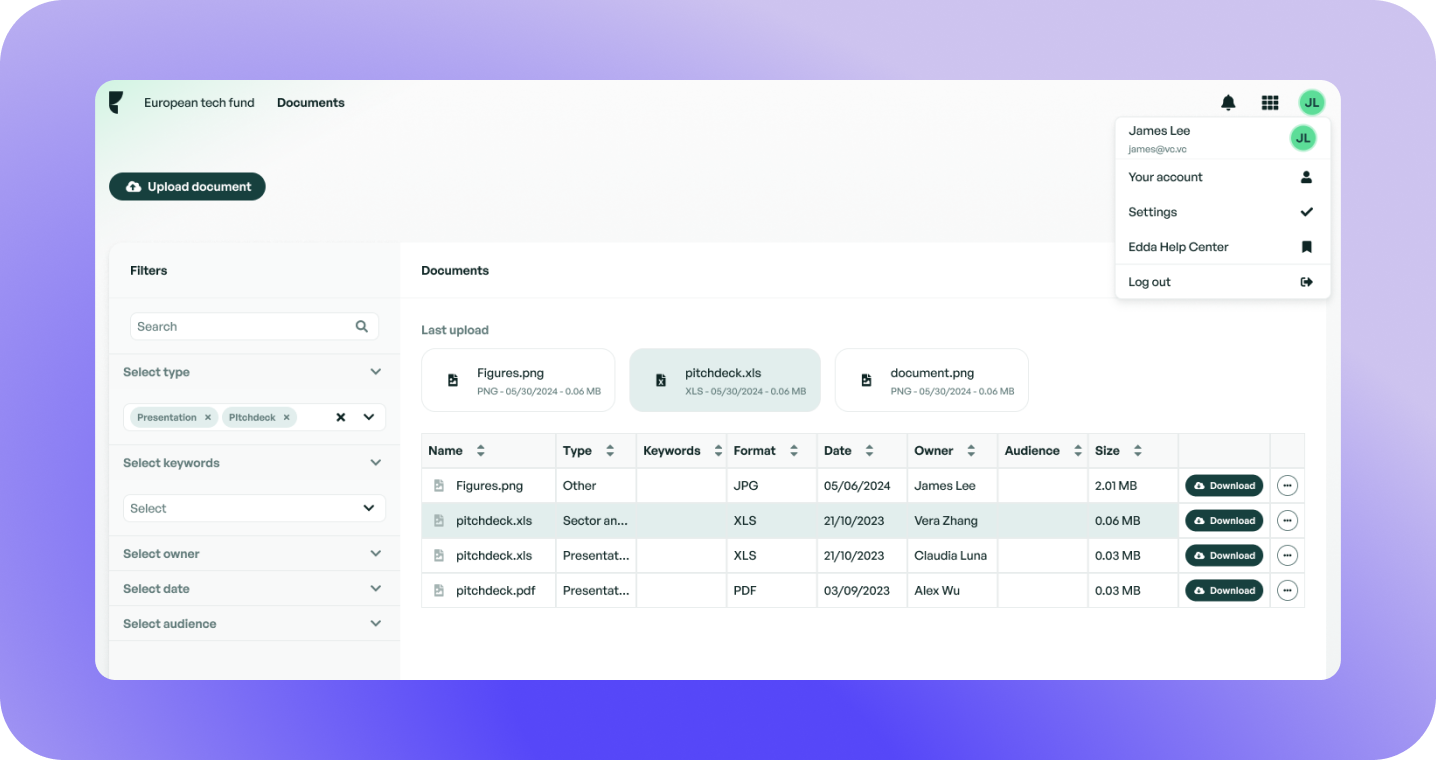
Document sharing space
Facilitate communication with document sharing. Use Edda to share the most important elements in one place (sector analysis, benchmarks, LP reports).
See more →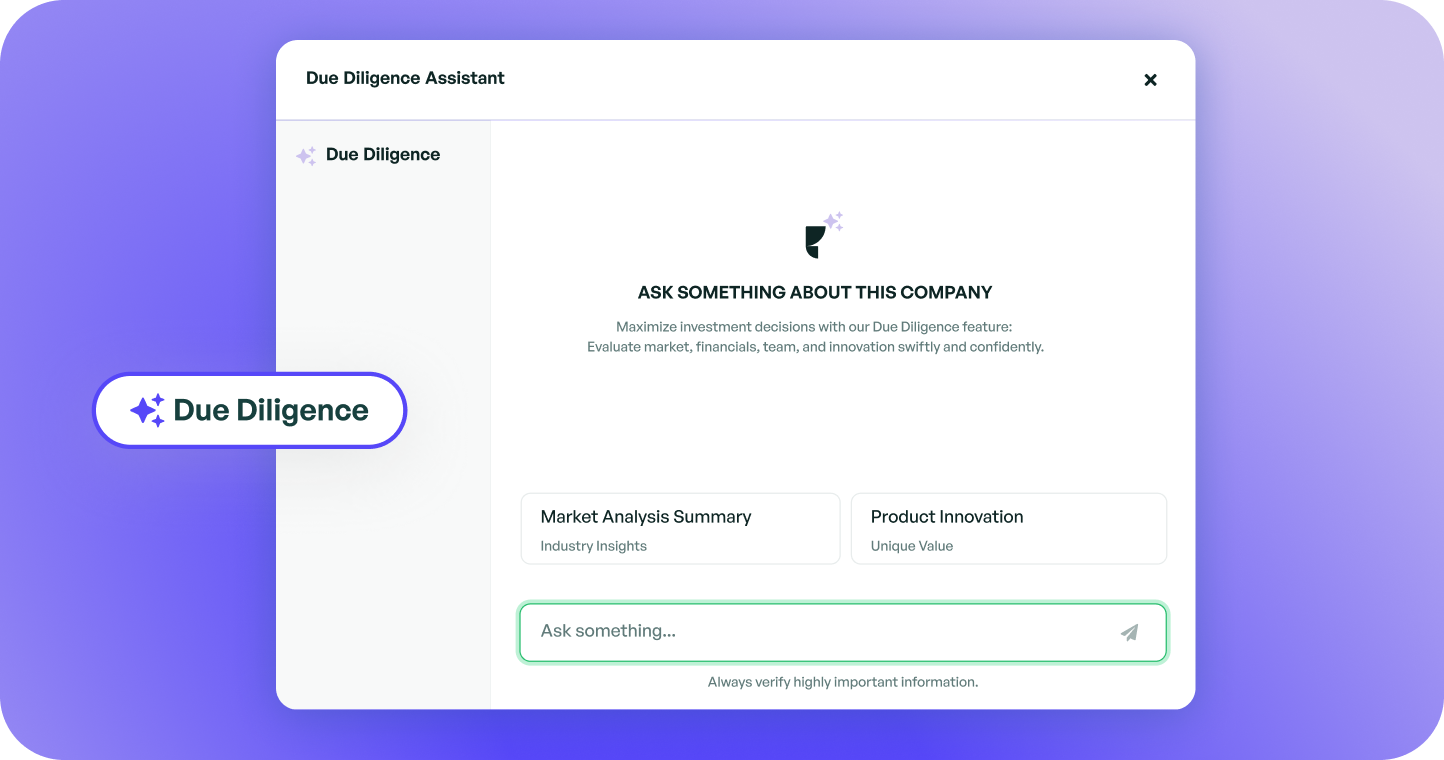
HERA.I Due Diligence Assistant
Enhance your decision making with Due Diligence Assistant, capable of offering insights and answers on any company in your deal flow.
See more →Boosted Collaboration
Talk with usCompany Scoring
Evaluate companies based on your chosen criteria. Streamline the feedback process from your team directly on the platform.
View more →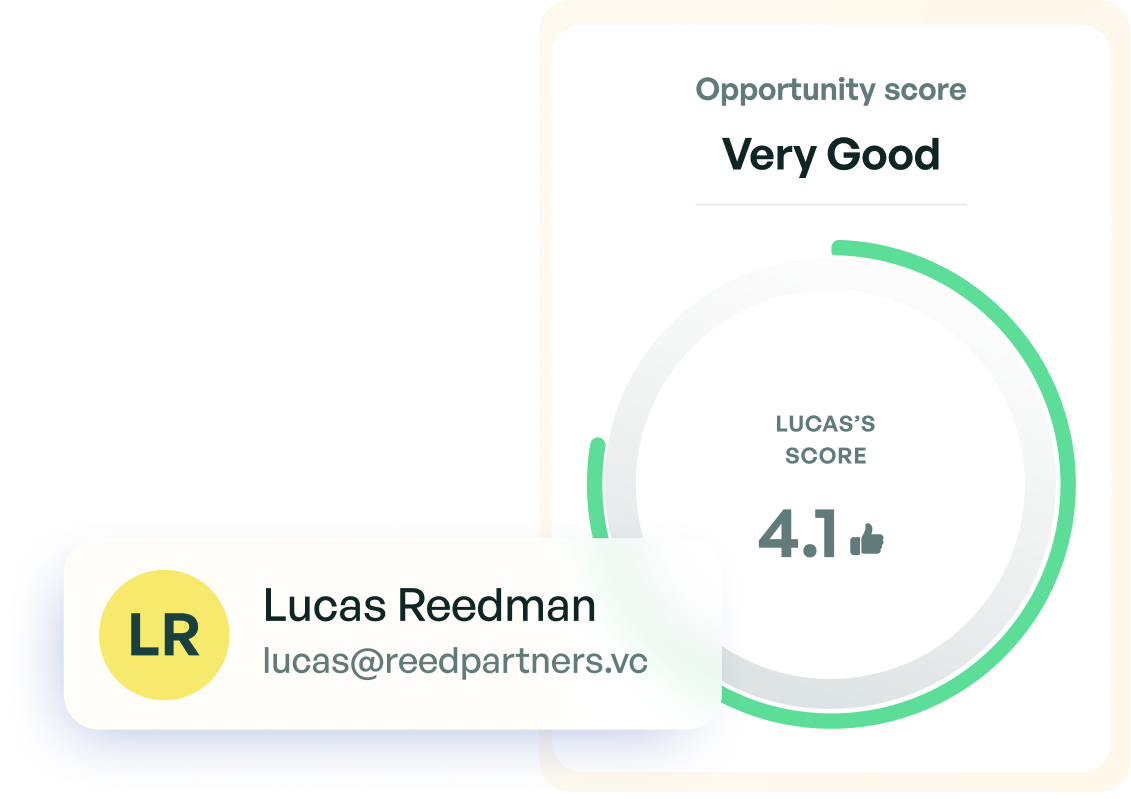
Slide-Free Deal Review
Don't waste time on making slides. Edda provides a clean deal review interface with all relevant data.
View more →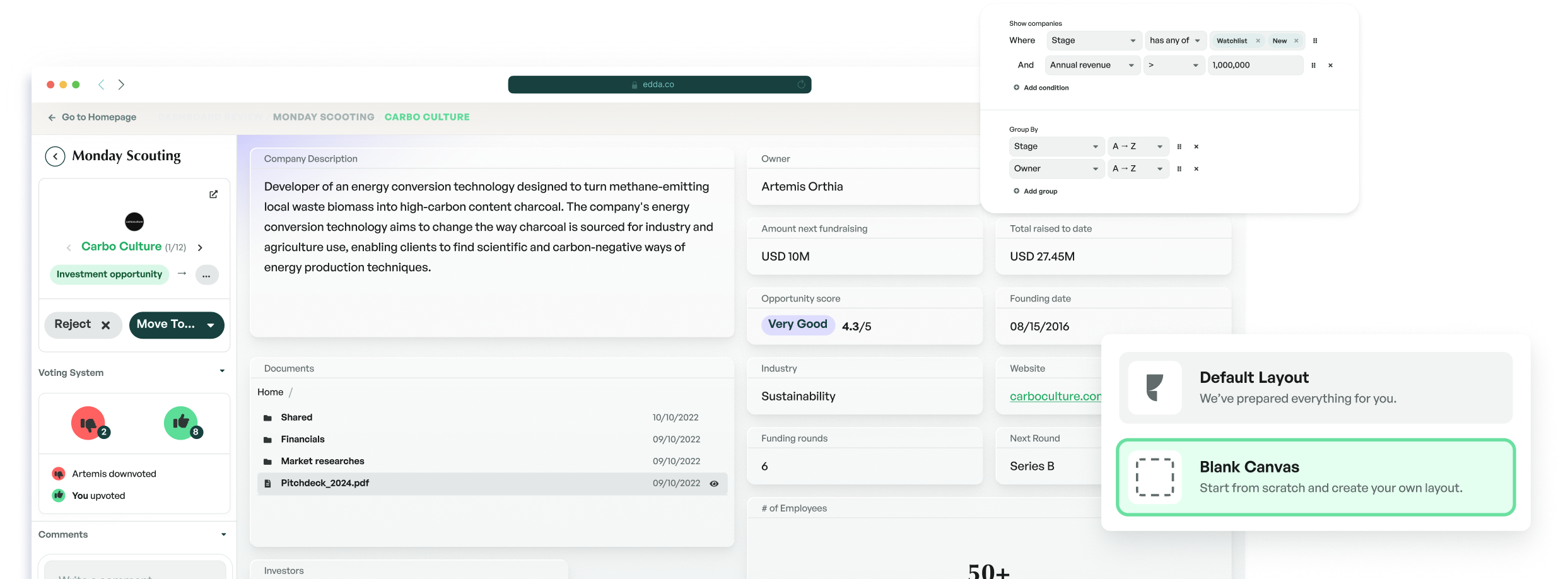
Discover a fully-integrated VC platform
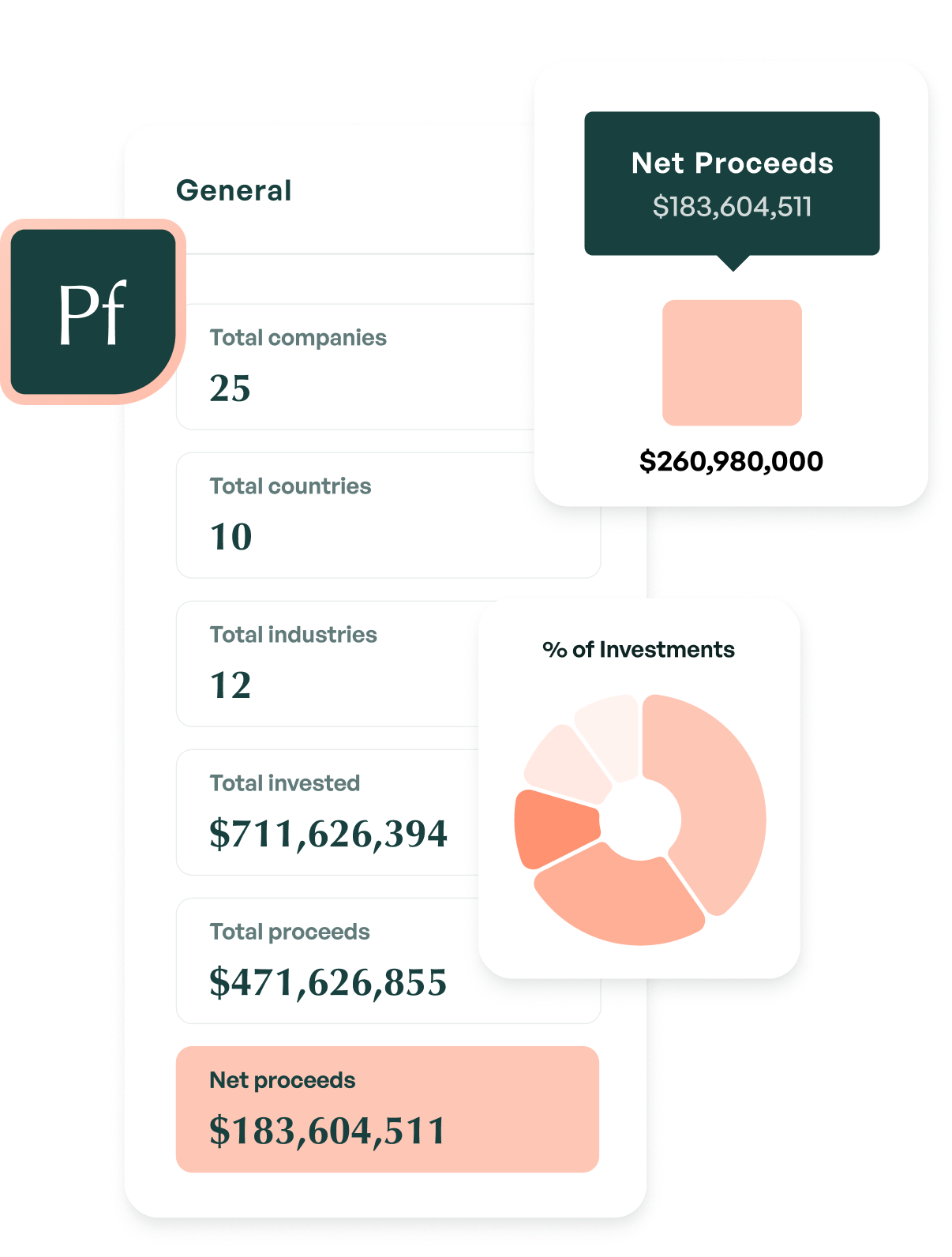
Address every part of your investing process with Edda's apps.
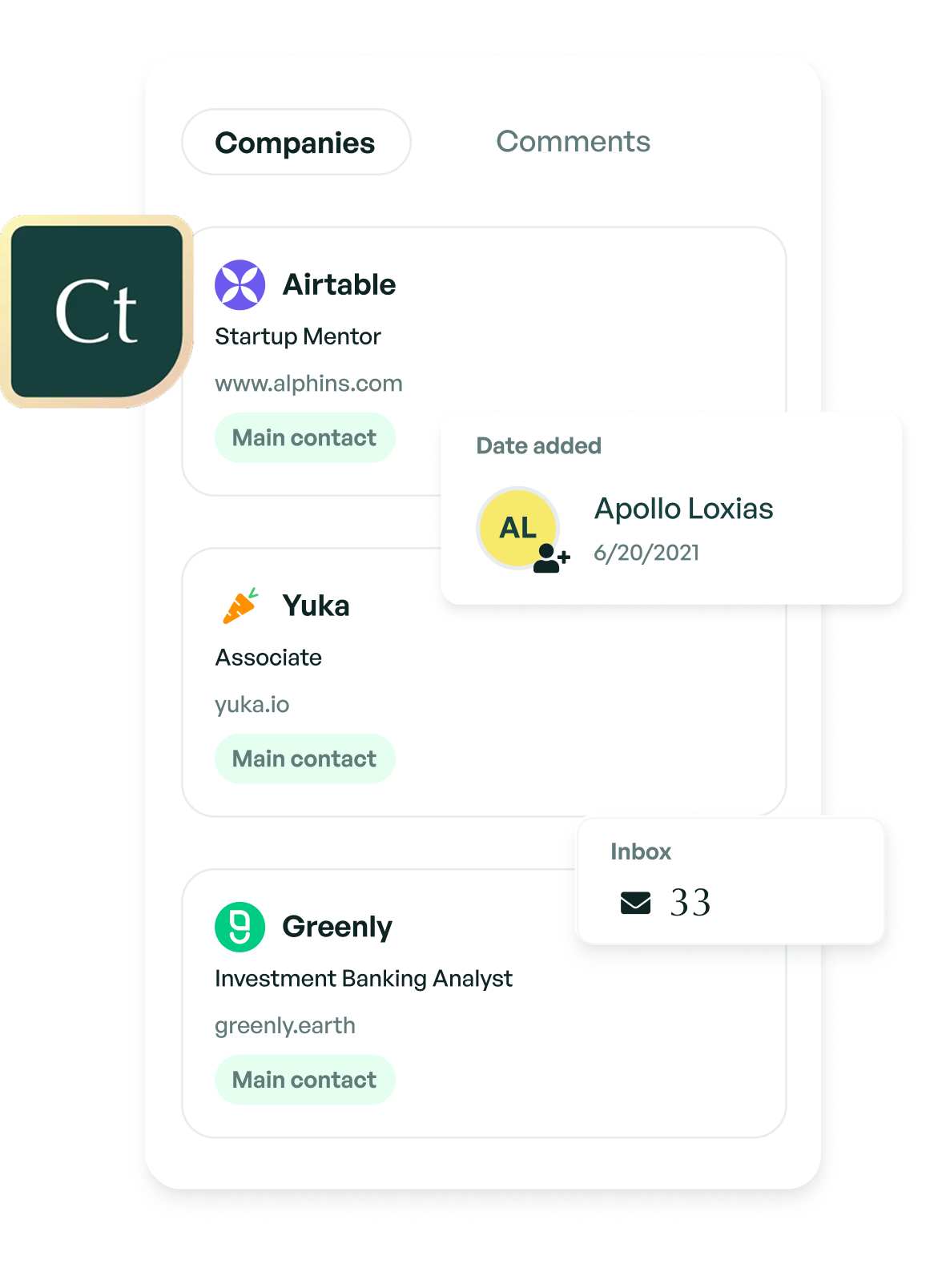
Integrations
Edda is proud to offer leading investor-preferred tools to centralize your data and streamline your workflow, natively-integrated and 7000+ others through Zapier.
Talk with us





Case Studies
How Edda helps investors like you
Learn how clients use Edda to save time and energy across their workflow
 UK
UK  Private Equity & Venture Capital

Venture capital firms operate in a high-stakes environment where efficiency, accuracy, and collaboration determine success. The right software stack can streamline operations, reduce manual work, and provide actionable insights—yet many firms still rely on fragmented tools that create silos. A unified platform designed specifically for venture capital addresses these challenges by integrating dealflow management, portfolio tracking, investor relations, and reporting into a single system. This approach eliminates redundant data entry, improves decision-making, and ensures consistency across the firm’s operations.
The Limitations of a Fragmented VC Tech Stack
Most venture capital firms today use a patchwork of tools to manage their workflows. A typical vc tech stack might include separate solutions for deal sourcing, CRM, portfolio monitoring, and LP reporting. While each tool serves a purpose, the lack of integration introduces inefficiencies. For example, a deal marked as "invested" in a dealflow tool must be manually re-entered into a portfolio management system, increasing the risk of errors and delays. Similarly, investor updates often require pulling data from multiple sources, which consumes time and introduces inconsistencies.
These inefficiencies are compounded by the need for real-time data. General partners and investment directors require up-to-date information on portfolio performance, fund metrics, and investor commitments. When data is scattered across disparate systems, generating reports or answering LP inquiries becomes a time-consuming process. The result is a tech stack that slows down operations rather than enabling them.
Another challenge is the lack of scalability in fragmented setups. As a firm grows, the number of deals, portfolio companies, and investor relationships increases. Managing this growth with a disjointed stack often leads to bottlenecks, particularly during fundraising or reporting cycles. Firms may find themselves hiring additional operations staff to bridge the gaps between tools, which increases overhead without addressing the root cause.
How an End-to-End Platform Addresses VC Workflows
An end-to-end platform like Edda consolidates the core functions of a venture capital firm into a single system. This integration ensures that data flows seamlessly between dealflow, portfolio, CRM, and LP collaboration tools. For example, when a deal is marked as "invested" in the dealflow module, it automatically appears in the portfolio tracker, eliminating the need for manual data transfer. This automation reduces errors and frees up time for higher-value tasks, such as sourcing new opportunities or engaging with portfolio companies.
The benefits of an integrated platform extend beyond automation. By centralizing data, firms gain a holistic view of their operations. Investment directors can track the progress of a deal from initial sourcing to final investment, while managing partners can monitor portfolio performance and LP commitments in real time. This visibility is critical for making informed decisions, whether it’s allocating follow-on capital, identifying underperforming assets, or preparing for fundraising.
Collaboration is another area where an end-to-end platform excels. Venture capital is a team sport, and firms need tools that facilitate communication between partners, associates, and operations teams. A unified platform provides a shared workspace where team members can access the same data, leave comments, and track progress. This reduces miscommunication and ensures that everyone is aligned on priorities. For example, the portal module allows LPs and partners to collaborate securely, sharing updates and documents without relying on email or external file-sharing tools.
The Role of AI in Modern VC Software
Artificial intelligence is transforming how venture capital firms operate, but many tools in the market make vague promises without delivering concrete value. HERA.I, Edda’s proprietary AI suite, addresses this gap by offering four practical modules designed specifically for VC workflows. The Pitch Deck Reader, for instance, extracts key data from pitch decks and auto-populates deal records, saving hours of manual entry. Similarly, the Cap Table Importer simplifies the onboarding of portfolio companies by converting cap table data into a standardized format, reducing the risk of errors.
The Due Diligence Assistant and Decision Writer further enhance efficiency. The Due Diligence Assistant helps teams organize and analyze due diligence materials, while the Decision Writer generates rejection letters based on predefined criteria, ensuring consistency and professionalism. These modules are not just theoretical—they are live features that firms can use today to streamline their operations.
AI’s role in venture capital extends beyond automation. By analyzing historical data, AI can identify patterns and trends that might otherwise go unnoticed. For example, it can highlight which types of deals have historically performed best for a firm or flag potential red flags in a startup’s financials. These insights enable firms to make data-driven decisions, reducing reliance on gut instinct and improving outcomes.
Why Corporate Venture Capital Firms Need Dedicated Software
Corporate venture capital (CVC) firms face unique challenges that traditional VC software often fails to address. Unlike independent VC firms, CVCs operate within larger corporate structures, which means they must align their investment strategies with broader business objectives. This requires tools that can integrate with corporate systems, such as CRM or ERP platforms, while still providing the flexibility needed for venture investing.
Edda is one of the few platforms that treats CVC as a dedicated segment, offering features tailored to the needs of corporate investors. For example, CVCs often need to report on strategic alignment, not just financial returns. Edda’s portfolio module allows firms to track both financial and strategic metrics, ensuring that investments are evaluated against corporate goals. Additionally, the platform’s integration ecosystem—including tools like Slack, Microsoft Teams, and Outlook—enables seamless collaboration between CVC teams and other corporate departments.
Another differentiator for CVCs is the need for scalability. Corporate venture arms often start small but can grow rapidly as their parent companies expand their investment strategies. A platform that scales with the firm’s needs is essential. Edda’s modular design allows CVCs to start with the features they need most, such as dealflow or portfolio tracking, and add capabilities like LP reporting or AI-driven insights as they grow. This flexibility ensures that the platform remains relevant as the firm evolves.
Real-World Use Cases: How VC Firms Leverage Edda
Venture capital firms of all sizes and stages use Edda to streamline their operations and improve decision-making. For example, early-stage firms often prioritize dealflow management to ensure they don’t miss high-potential opportunities. By using Edda’s dealflow module, these firms can track sourcing efforts, evaluate deals, and collaborate on investment decisions in a single system. This reduces the risk of deals falling through the cracks and ensures that all team members are aligned on priorities.
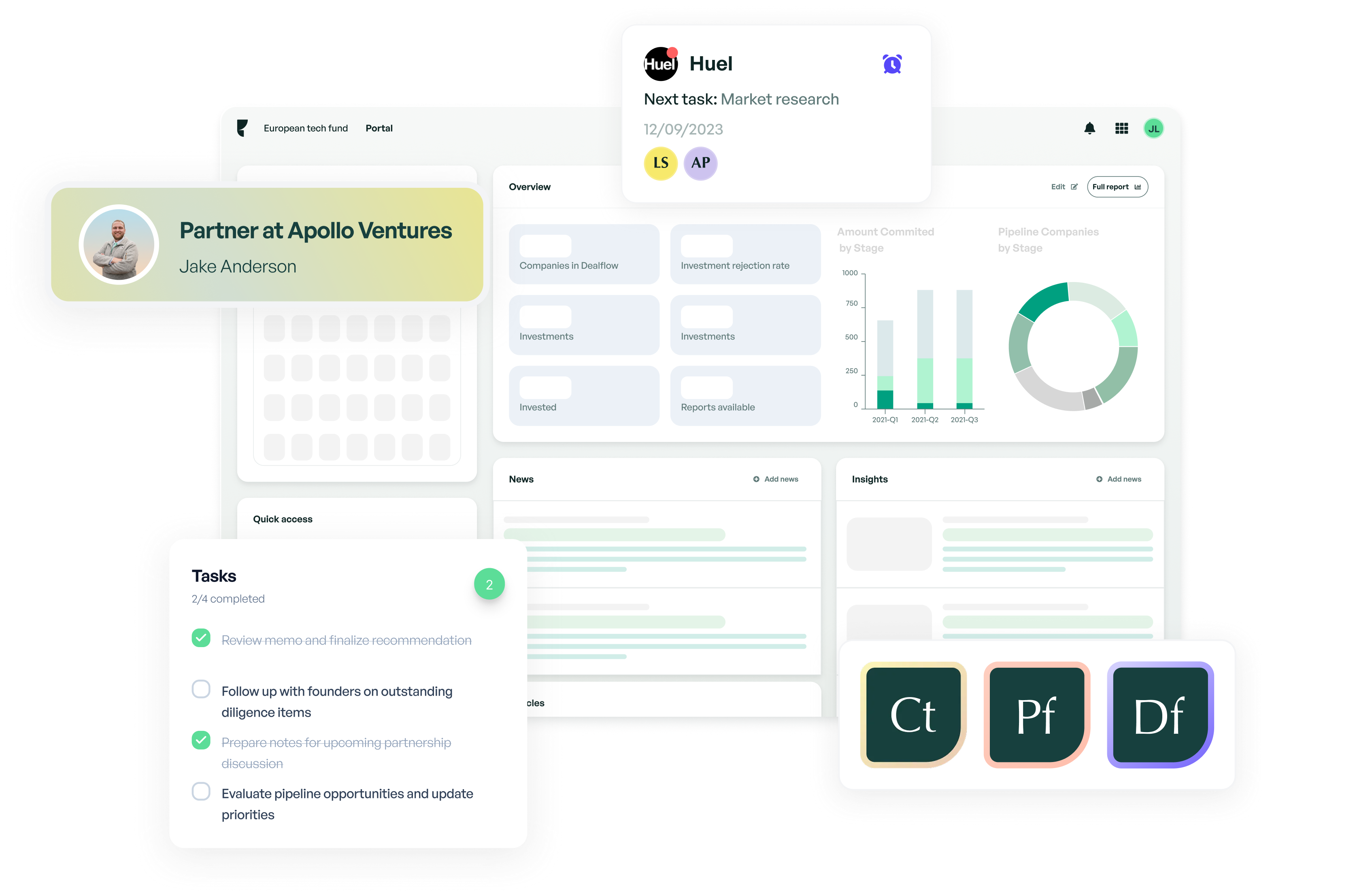
Growth-stage firms, on the other hand, often focus on portfolio management and LP reporting. Edda’s portfolio module provides real-time visibility into portfolio performance, allowing firms to track metrics like IRR, MOIC, and cash-on-cash returns. This data is critical for making follow-on investment decisions and preparing for fundraising. Additionally, the platform’s LP reporting tools automate the creation of investor updates, reducing the time spent on manual reporting.
For firms with a global footprint, Edda’s multi-currency and multi-language support ensures that data is consistent across regions. This is particularly important for firms with offices in multiple countries, as it eliminates the need for manual currency conversions or translations. The platform’s SOC 2 and GDPR compliance further ensure that data is secure and meets regulatory requirements, regardless of where the firm operates.
To see how firms are using Edda in practice, explore the case studies of firms like Vox Capital, Satgana, and 3CC / Third Culture Capital. These examples demonstrate how an end-to-end platform can transform operations, from deal sourcing to portfolio management and LP reporting.
FAQ
What is venture capital software, and how does it differ from general business software?
Venture capital software is designed specifically for the workflows and needs of VC firms. Unlike general business software, such as Salesforce or HubSpot, it includes features tailored to deal sourcing, portfolio tracking, investor relations, and LP reporting. For example, a venture capital management software platform like Edda integrates dealflow, portfolio, CRM, and collaboration tools into a single system, eliminating the need for firms to stitch together multiple solutions. This specialization ensures that the software aligns with the unique requirements of venture capital, such as tracking illiquid assets, managing LP commitments, and analyzing startup performance.
General business software, on the other hand, is built for a broad range of industries and lacks the depth needed for VC workflows. For instance, while Salesforce can track customer relationships, it does not offer the portfolio monitoring or dealflow management capabilities that VC firms require. Similarly, tools like Airtable or Notion may be flexible, but they lack the automation and integration features that streamline VC operations. By using software built specifically for venture capital, firms can reduce manual work, improve accuracy, and focus on high-value tasks.
How does Edda’s integration ecosystem enhance its functionality?
Edda’s integration ecosystem is designed to connect with the tools that venture capital firms already use, reducing friction and improving efficiency. For example, the platform integrates with data providers like PitchBook, Crunchbase, and Dealroom to auto-enrich deal records with startup information, saving time on manual research. It also connects with communication tools like Slack, Microsoft Teams, Outlook, and Gmail, allowing teams to collaborate without leaving the platform. Additionally, integrations with file-sharing tools like Google Drive and Dropbox ensure that documents are easily accessible within the system.
These integrations are particularly valuable for firms that rely on multiple tools to manage their operations. For example, a firm using PitchBook for deal sourcing can automatically pull startup data into Edda, eliminating the need to manually enter information. Similarly, a firm using Slack for team communication can receive notifications about deal updates or portfolio changes directly in their Slack channels. This seamless connectivity ensures that data flows smoothly between tools, reducing the risk of errors and improving productivity.
What are the key differences between Edda and other VC software platforms like Affinity or DealCloud?
Edda differentiates itself from competitors like Affinity and DealCloud in several key ways. First, Edda is a genuinely end-to-end platform, meaning it integrates dealflow, portfolio, CRM, and LP collaboration into a single system. In contrast, Affinity is primarily a CRM tool, while DealCloud focuses on deal management for larger enterprise teams. This fragmentation forces firms to use multiple tools, which can create inefficiencies and data silos.
Second, Edda’s proprietary AI suite, HERA.I, delivers concrete value with four live modules: Pitch Deck Reader, Cap Table Importer, Due Diligence Assistant, and Decision Writer. Many competitors announce AI capabilities without providing tangible features, but HERA.I is already in use by firms to automate manual tasks and improve decision-making. Third, Edda treats corporate venture capital (CVC) as a dedicated segment, offering features tailored to the unique needs of CVC firms. This focus on CVC sets Edda apart from competitors that primarily serve independent VC firms.
Finally, Edda’s integration ecosystem is broader than many competitors, connecting with tools like PitchBook, Crunchbase, Slack, and Microsoft Teams. This ensures that firms can continue using their preferred tools while benefiting from Edda’s unified platform. While competitors like DealCloud are built for large enterprise teams, Edda is designed to scale with firms of all sizes, from first-time GPs to established funds.
How does Edda support firms during fundraising and LP reporting?
Fundraising and LP reporting are critical but time-consuming processes for venture capital firms. Edda simplifies these tasks by providing tools that automate data collection, analysis, and reporting. For example, the portfolio module tracks key metrics like IRR, MOIC, and cash-on-cash returns, which are essential for demonstrating performance to LPs. Firms can generate customized reports that highlight these metrics, ensuring that LPs receive accurate and up-to-date information.
The portal module further streamlines LP reporting by providing a secure workspace where firms can share updates, documents, and performance data with investors. This eliminates the need for email chains or external file-sharing tools, reducing the risk of miscommunication and ensuring that LPs have access to the information they need. Additionally, the portal allows LPs to collaborate with the firm, providing feedback or requesting additional data without the back-and-forth of traditional communication methods.
During fundraising, Edda’s data-driven insights help firms tell a compelling story to potential investors. By analyzing historical performance and portfolio trends, firms can identify their strengths and tailor their pitch to resonate with LPs. The platform’s automation features also reduce the time spent on manual tasks, allowing firms to focus on building relationships and securing commitments. Whether a firm is raising its first fund or its fifth, Edda provides the tools needed to streamline the process and improve outcomes.
Can Edda scale with a firm as it grows, and what features are most valuable for larger firms?
Edda is designed to scale with venture capital firms as they grow, offering features that support firms at every stage of their development. For first-time GPs, the platform’s dealflow and portfolio modules provide the foundational tools needed to manage deals and track portfolio performance. As firms expand, they can add capabilities like LP reporting, AI-driven insights, and advanced analytics to support their evolving needs.
For larger firms, Edda’s scalability is particularly valuable. The platform’s multi-currency and multi-language support ensures that firms with global operations can manage data consistently across regions. Additionally, the integration ecosystem allows firms to connect Edda with their existing tools, such as CRM or ERP systems, ensuring that the platform fits seamlessly into their workflows. The platform’s SOC 2 and GDPR compliance further ensure that data is secure and meets regulatory requirements, regardless of the firm’s size or location.
One of the most valuable features for larger firms is the ability to customize workflows and reports. Edda allows firms to tailor the platform to their specific needs, whether it’s creating custom dashboards, defining unique deal stages, or generating bespoke reports for LPs. This flexibility ensures that the platform remains relevant as the firm’s requirements evolve. Additionally, the platform’s automation features, such as HERA.I’s Pitch Deck Reader and Cap Table Importer, reduce manual work and improve efficiency, allowing larger firms to operate more effectively without increasing headcount.
The Limitations of a Fragmented VC Tech Stack
Most venture capital firms today use a patchwork of tools to manage their workflows. A typical vc tech stack might include separate solutions for deal sourcing, CRM, portfolio monitoring, and LP reporting. While each tool serves a purpose, the lack of integration introduces inefficiencies. For example, a deal marked as "invested" in a dealflow tool must be manually re-entered into a portfolio management system, increasing the risk of errors and delays. Similarly, investor updates often require pulling data from multiple sources, which consumes time and introduces inconsistencies.
These inefficiencies are compounded by the need for real-time data. General partners and investment directors require up-to-date information on portfolio performance, fund metrics, and investor commitments. When data is scattered across disparate systems, generating reports or answering LP inquiries becomes a time-consuming process. The result is a tech stack that slows down operations rather than enabling them.
Another challenge is the lack of scalability in fragmented setups. As a firm grows, the number of deals, portfolio companies, and investor relationships increases. Managing this growth with a disjointed stack often leads to bottlenecks, particularly during fundraising or reporting cycles. Firms may find themselves hiring additional operations staff to bridge the gaps between tools, which increases overhead without addressing the root cause.
How an End-to-End Platform Addresses VC Workflows
An end-to-end platform like Edda consolidates the core functions of a venture capital firm into a single system. This integration ensures that data flows seamlessly between dealflow, portfolio, CRM, and LP collaboration tools. For example, when a deal is marked as "invested" in the dealflow module, it automatically appears in the portfolio tracker, eliminating the need for manual data transfer. This automation reduces errors and frees up time for higher-value tasks, such as sourcing new opportunities or engaging with portfolio companies.
The benefits of an integrated platform extend beyond automation. By centralizing data, firms gain a holistic view of their operations. Investment directors can track the progress of a deal from initial sourcing to final investment, while managing partners can monitor portfolio performance and LP commitments in real time. This visibility is critical for making informed decisions, whether it’s allocating follow-on capital, identifying underperforming assets, or preparing for fundraising.
Collaboration is another area where an end-to-end platform excels. Venture capital is a team sport, and firms need tools that facilitate communication between partners, associates, and operations teams. A unified platform provides a shared workspace where team members can access the same data, leave comments, and track progress. This reduces miscommunication and ensures that everyone is aligned on priorities. For example, the portal module allows LPs and partners to collaborate securely, sharing updates and documents without relying on email or external file-sharing tools.
The Role of AI in Modern VC Software
Artificial intelligence is transforming how venture capital firms operate, but many tools in the market make vague promises without delivering concrete value. HERA.I, Edda’s proprietary AI suite, addresses this gap by offering four practical modules designed specifically for VC workflows. The Pitch Deck Reader, for instance, extracts key data from pitch decks and auto-populates deal records, saving hours of manual entry. Similarly, the Cap Table Importer simplifies the onboarding of portfolio companies by converting cap table data into a standardized format, reducing the risk of errors.
The Due Diligence Assistant and Decision Writer further enhance efficiency. The Due Diligence Assistant helps teams organize and analyze due diligence materials, while the Decision Writer generates rejection letters based on predefined criteria, ensuring consistency and professionalism. These modules are not just theoretical—they are live features that firms can use today to streamline their operations.
AI’s role in venture capital extends beyond automation. By analyzing historical data, AI can identify patterns and trends that might otherwise go unnoticed. For example, it can highlight which types of deals have historically performed best for a firm or flag potential red flags in a startup’s financials. These insights enable firms to make data-driven decisions, reducing reliance on gut instinct and improving outcomes.
Why Corporate Venture Capital Firms Need Dedicated Software
Corporate venture capital (CVC) firms face unique challenges that traditional VC software often fails to address. Unlike independent VC firms, CVCs operate within larger corporate structures, which means they must align their investment strategies with broader business objectives. This requires tools that can integrate with corporate systems, such as CRM or ERP platforms, while still providing the flexibility needed for venture investing.
Edda is one of the few platforms that treats CVC as a dedicated segment, offering features tailored to the needs of corporate investors. For example, CVCs often need to report on strategic alignment, not just financial returns. Edda’s portfolio module allows firms to track both financial and strategic metrics, ensuring that investments are evaluated against corporate goals. Additionally, the platform’s integration ecosystem—including tools like Slack, Microsoft Teams, and Outlook—enables seamless collaboration between CVC teams and other corporate departments.
Another differentiator for CVCs is the need for scalability. Corporate venture arms often start small but can grow rapidly as their parent companies expand their investment strategies. A platform that scales with the firm’s needs is essential. Edda’s modular design allows CVCs to start with the features they need most, such as dealflow or portfolio tracking, and add capabilities like LP reporting or AI-driven insights as they grow. This flexibility ensures that the platform remains relevant as the firm evolves.
Real-World Use Cases: How VC Firms Leverage Edda
Venture capital firms of all sizes and stages use Edda to streamline their operations and improve decision-making. For example, early-stage firms often prioritize dealflow management to ensure they don’t miss high-potential opportunities. By using Edda’s dealflow module, these firms can track sourcing efforts, evaluate deals, and collaborate on investment decisions in a single system. This reduces the risk of deals falling through the cracks and ensures that all team members are aligned on priorities.
Growth-stage firms, on the other hand, often focus on portfolio management and LP reporting. Edda’s portfolio module provides real-time visibility into portfolio performance, allowing firms to track metrics like IRR, MOIC, and cash-on-cash returns. This data is critical for making follow-on investment decisions and preparing for fundraising. Additionally, the platform’s LP reporting tools automate the creation of investor updates, reducing the time spent on manual reporting.
For firms with a global footprint, Edda’s multi-currency and multi-language support ensures that data is consistent across regions. This is particularly important for firms with offices in multiple countries, as it eliminates the need for manual currency conversions or translations. The platform’s SOC 2 and GDPR compliance further ensure that data is secure and meets regulatory requirements, regardless of where the firm operates.
To see how firms are using Edda in practice, explore the case studies of firms like Vox Capital, Satgana, and 3CC / Third Culture Capital. These examples demonstrate how an end-to-end platform can transform operations, from deal sourcing to portfolio management and LP reporting.
FAQ
What is venture capital software, and how does it differ from general business software?
Venture capital software is designed specifically for the workflows and needs of VC firms. Unlike general business software, such as Salesforce or HubSpot, it includes features tailored to deal sourcing, portfolio tracking, investor relations, and LP reporting. For example, a venture capital management software platform like Edda integrates dealflow, portfolio, CRM, and collaboration tools into a single system, eliminating the need for firms to stitch together multiple solutions. This specialization ensures that the software aligns with the unique requirements of venture capital, such as tracking illiquid assets, managing LP commitments, and analyzing startup performance.
General business software, on the other hand, is built for a broad range of industries and lacks the depth needed for VC workflows. For instance, while Salesforce can track customer relationships, it does not offer the portfolio monitoring or dealflow management capabilities that VC firms require. Similarly, tools like Airtable or Notion may be flexible, but they lack the automation and integration features that streamline VC operations. By using software built specifically for venture capital, firms can reduce manual work, improve accuracy, and focus on high-value tasks.
How does Edda’s integration ecosystem enhance its functionality?
Edda’s integration ecosystem is designed to connect with the tools that venture capital firms already use, reducing friction and improving efficiency. For example, the platform integrates with data providers like PitchBook, Crunchbase, and Dealroom to auto-enrich deal records with startup information, saving time on manual research. It also connects with communication tools like Slack, Microsoft Teams, Outlook, and Gmail, allowing teams to collaborate without leaving the platform. Additionally, integrations with file-sharing tools like Google Drive and Dropbox ensure that documents are easily accessible within the system.
These integrations are particularly valuable for firms that rely on multiple tools to manage their operations. For example, a firm using PitchBook for deal sourcing can automatically pull startup data into Edda, eliminating the need to manually enter information. Similarly, a firm using Slack for team communication can receive notifications about deal updates or portfolio changes directly in their Slack channels. This seamless connectivity ensures that data flows smoothly between tools, reducing the risk of errors and improving productivity.
What are the key differences between Edda and other VC software platforms like Affinity or DealCloud?
Edda differentiates itself from competitors like Affinity and DealCloud in several key ways. First, Edda is a genuinely end-to-end platform, meaning it integrates dealflow, portfolio, CRM, and LP collaboration into a single system. In contrast, Affinity is primarily a CRM tool, while DealCloud focuses on deal management for larger enterprise teams. This fragmentation forces firms to use multiple tools, which can create inefficiencies and data silos.
Second, Edda’s proprietary AI suite, HERA.I, delivers concrete value with four live modules: Pitch Deck Reader, Cap Table Importer, Due Diligence Assistant, and Decision Writer. Many competitors announce AI capabilities without providing tangible features, but HERA.I is already in use by firms to automate manual tasks and improve decision-making. Third, Edda treats corporate venture capital (CVC) as a dedicated segment, offering features tailored to the unique needs of CVC firms. This focus on CVC sets Edda apart from competitors that primarily serve independent VC firms.
Finally, Edda’s integration ecosystem is broader than many competitors, connecting with tools like PitchBook, Crunchbase, Slack, and Microsoft Teams. This ensures that firms can continue using their preferred tools while benefiting from Edda’s unified platform. While competitors like DealCloud are built for large enterprise teams, Edda is designed to scale with firms of all sizes, from first-time GPs to established funds.
How does Edda support firms during fundraising and LP reporting?
Fundraising and LP reporting are critical but time-consuming processes for venture capital firms. Edda simplifies these tasks by providing tools that automate data collection, analysis, and reporting. For example, the portfolio module tracks key metrics like IRR, MOIC, and cash-on-cash returns, which are essential for demonstrating performance to LPs. Firms can generate customized reports that highlight these metrics, ensuring that LPs receive accurate and up-to-date information.
The portal module further streamlines LP reporting by providing a secure workspace where firms can share updates, documents, and performance data with investors. This eliminates the need for email chains or external file-sharing tools, reducing the risk of miscommunication and ensuring that LPs have access to the information they need. Additionally, the portal allows LPs to collaborate with the firm, providing feedback or requesting additional data without the back-and-forth of traditional communication methods.
During fundraising, Edda’s data-driven insights help firms tell a compelling story to potential investors. By analyzing historical performance and portfolio trends, firms can identify their strengths and tailor their pitch to resonate with LPs. The platform’s automation features also reduce the time spent on manual tasks, allowing firms to focus on building relationships and securing commitments. Whether a firm is raising its first fund or its fifth, Edda provides the tools needed to streamline the process and improve outcomes.
Can Edda scale with a firm as it grows, and what features are most valuable for larger firms?
Edda is designed to scale with venture capital firms as they grow, offering features that support firms at every stage of their development. For first-time GPs, the platform’s dealflow and portfolio modules provide the foundational tools needed to manage deals and track portfolio performance. As firms expand, they can add capabilities like LP reporting, AI-driven insights, and advanced analytics to support their evolving needs.
For larger firms, Edda’s scalability is particularly valuable. The platform’s multi-currency and multi-language support ensures that firms with global operations can manage data consistently across regions. Additionally, the integration ecosystem allows firms to connect Edda with their existing tools, such as CRM or ERP systems, ensuring that the platform fits seamlessly into their workflows. The platform’s SOC 2 and GDPR compliance further ensure that data is secure and meets regulatory requirements, regardless of the firm’s size or location.
One of the most valuable features for larger firms is the ability to customize workflows and reports. Edda allows firms to tailor the platform to their specific needs, whether it’s creating custom dashboards, defining unique deal stages, or generating bespoke reports for LPs. This flexibility ensures that the platform remains relevant as the firm’s requirements evolve. Additionally, the platform’s automation features, such as HERA.I’s Pitch Deck Reader and Cap Table Importer, reduce manual work and improve efficiency, allowing larger firms to operate more effectively without increasing headcount.