The complete platform for PE
Edda gives private equity firms one platform for the entire investment lifecycle. Purpose-built tools to source, evaluate, and manage your portfolio — from deal to exit.
Trusted by investors in your industry



.png)







Data-driven investing
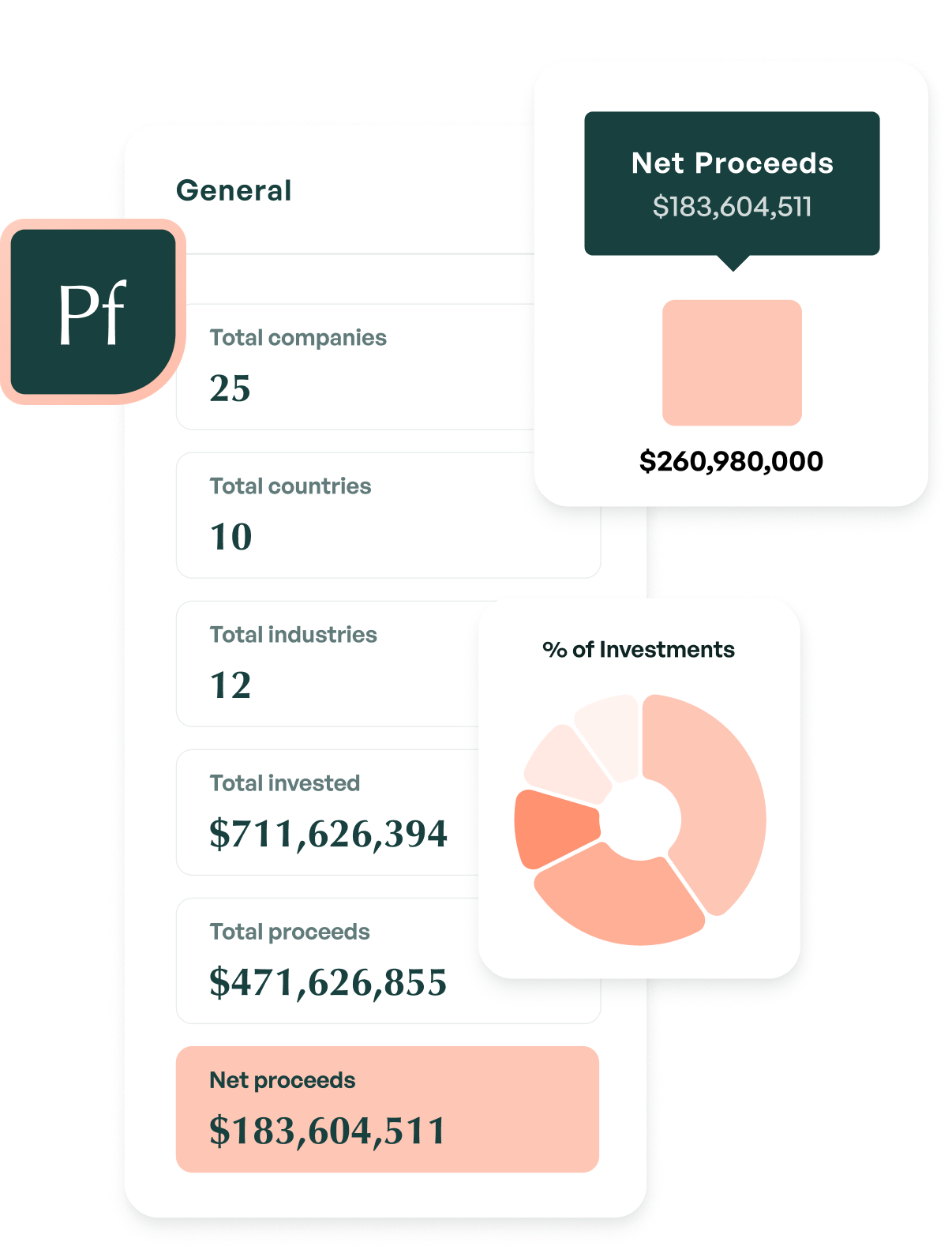
Consolidate fund financials, capital allocation, and distributions into a single live overview — no more spreadsheets scattered across your team.
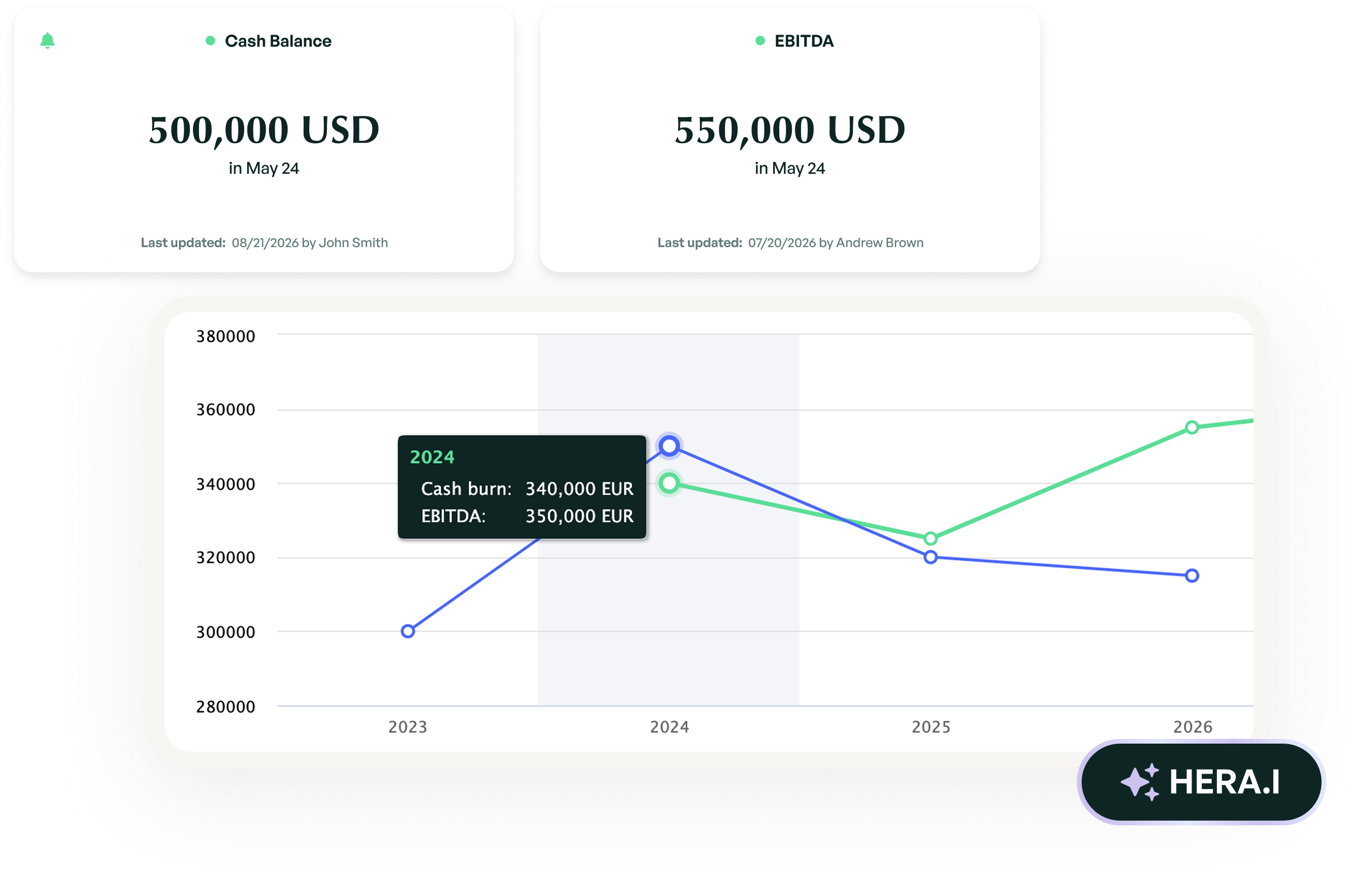
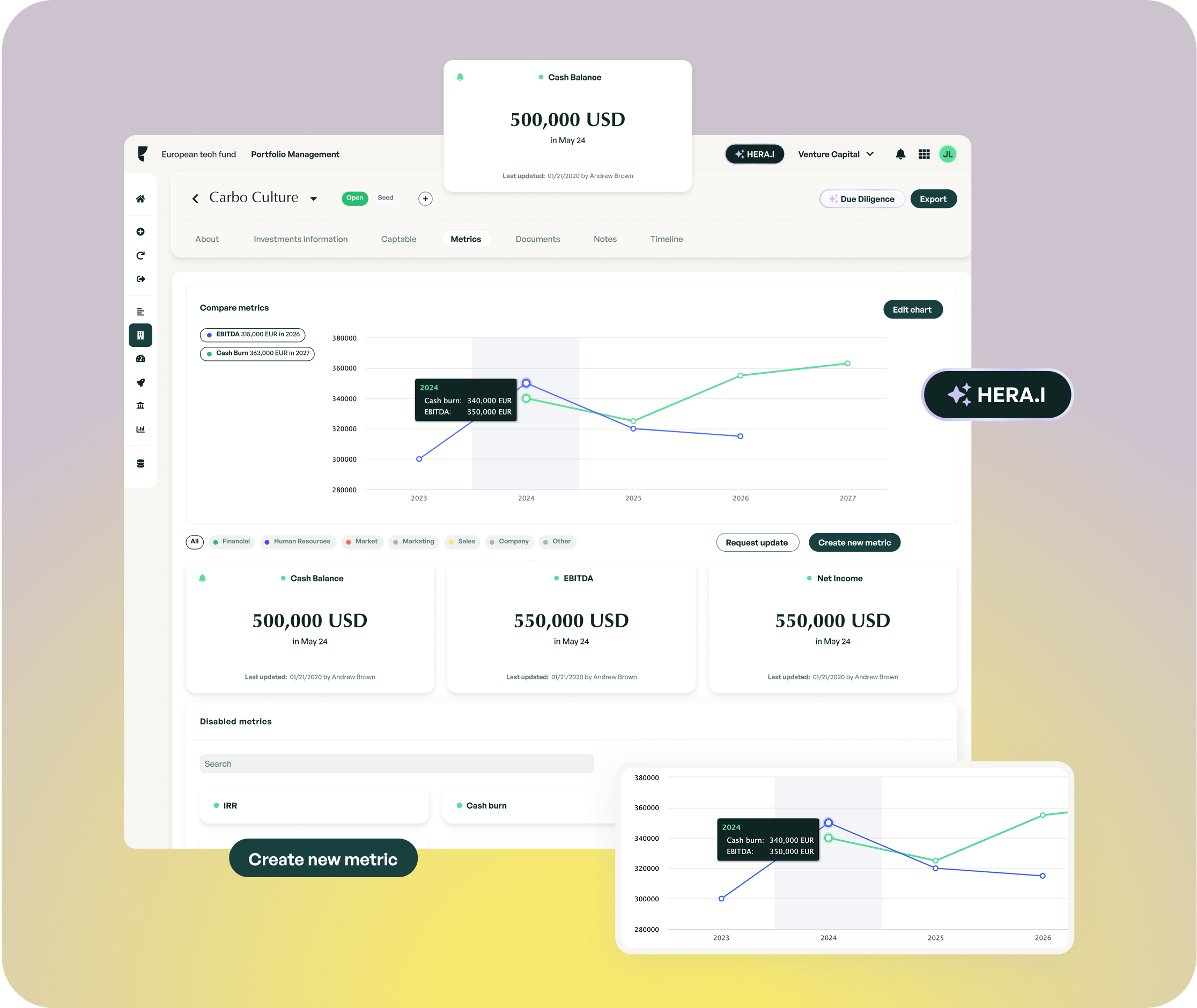
View more →Track the metrics that matter to your firm with fully customizable KPIs, and let HERA.I surface trends across your portfolio automatically.
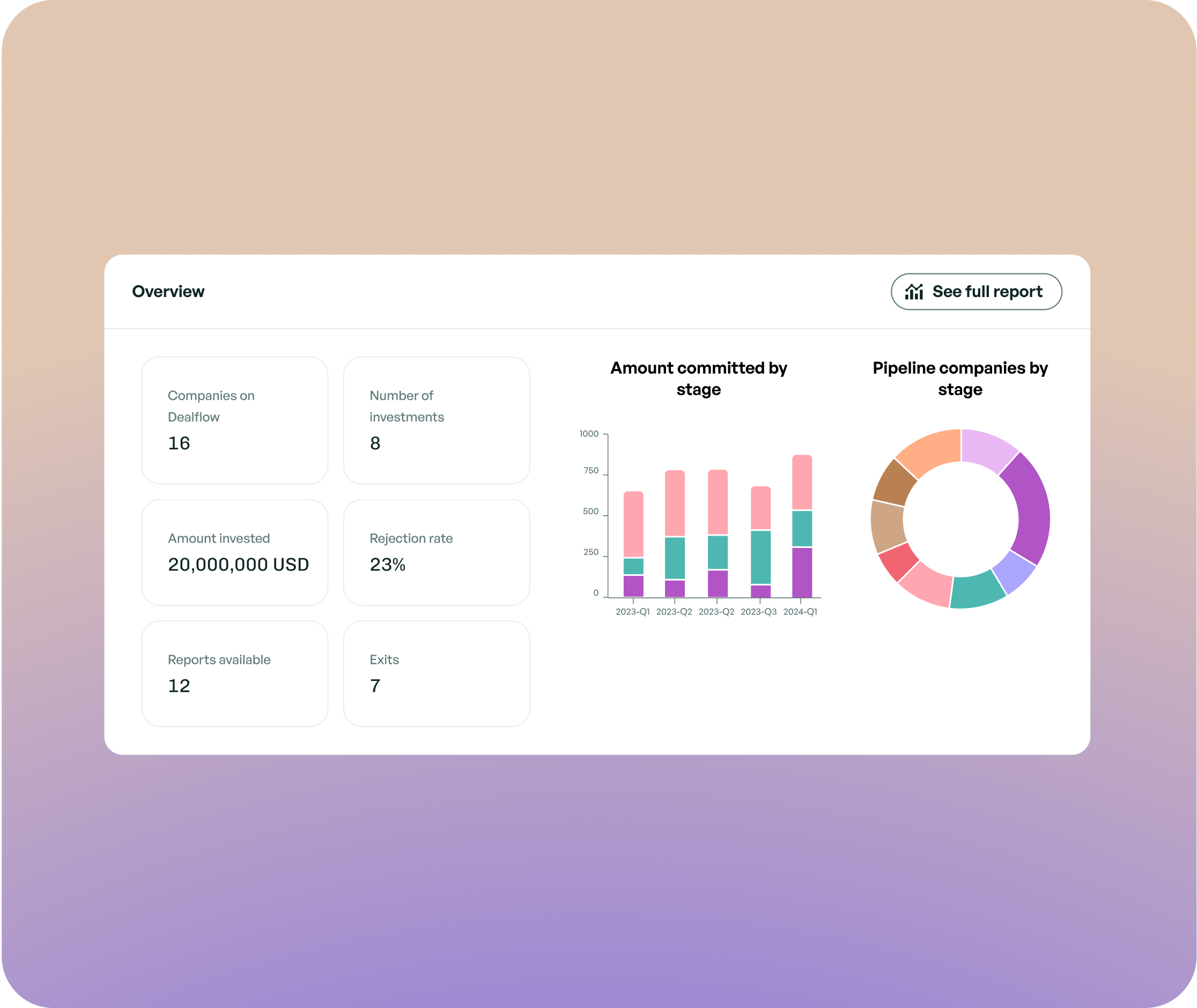
View more →See amount committed by stage, pipeline companies by stage, and investment activity at a glance with real-time reporting dashboards.
View more →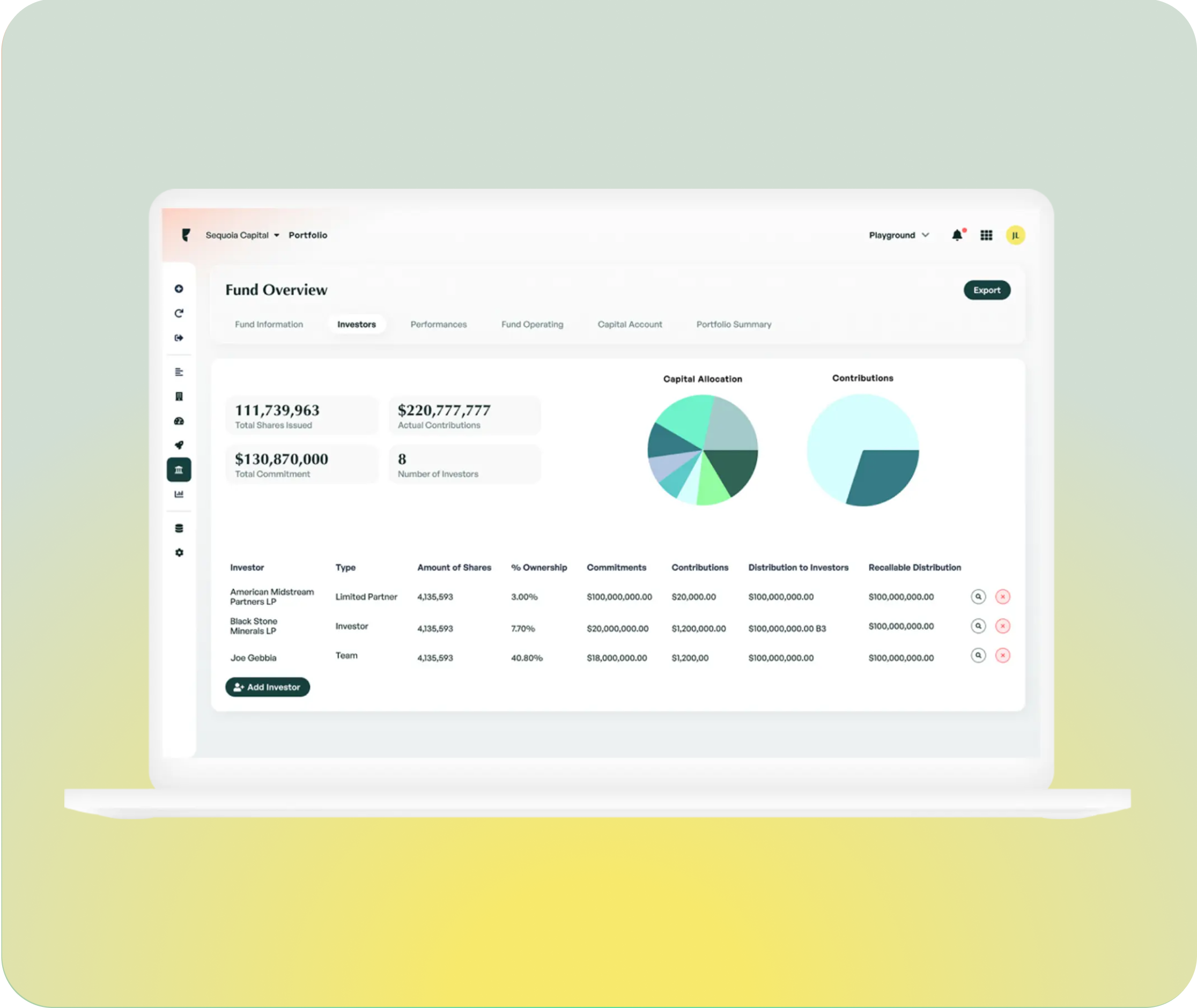
Automation built for investors
Workflow automation
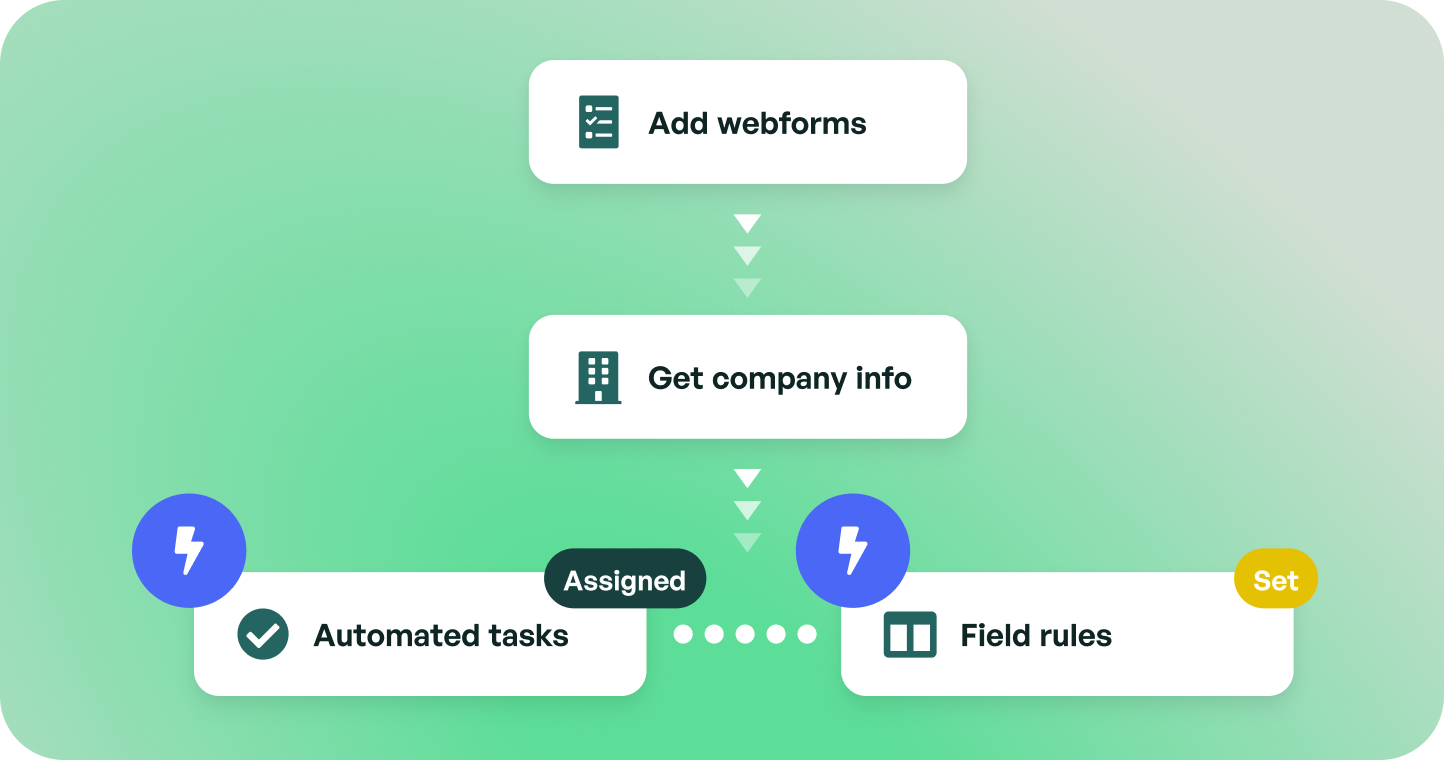
Automate repetitive work with webforms, field rules, and automated task assignment so your team can focus on decisions, not data entry.
See more →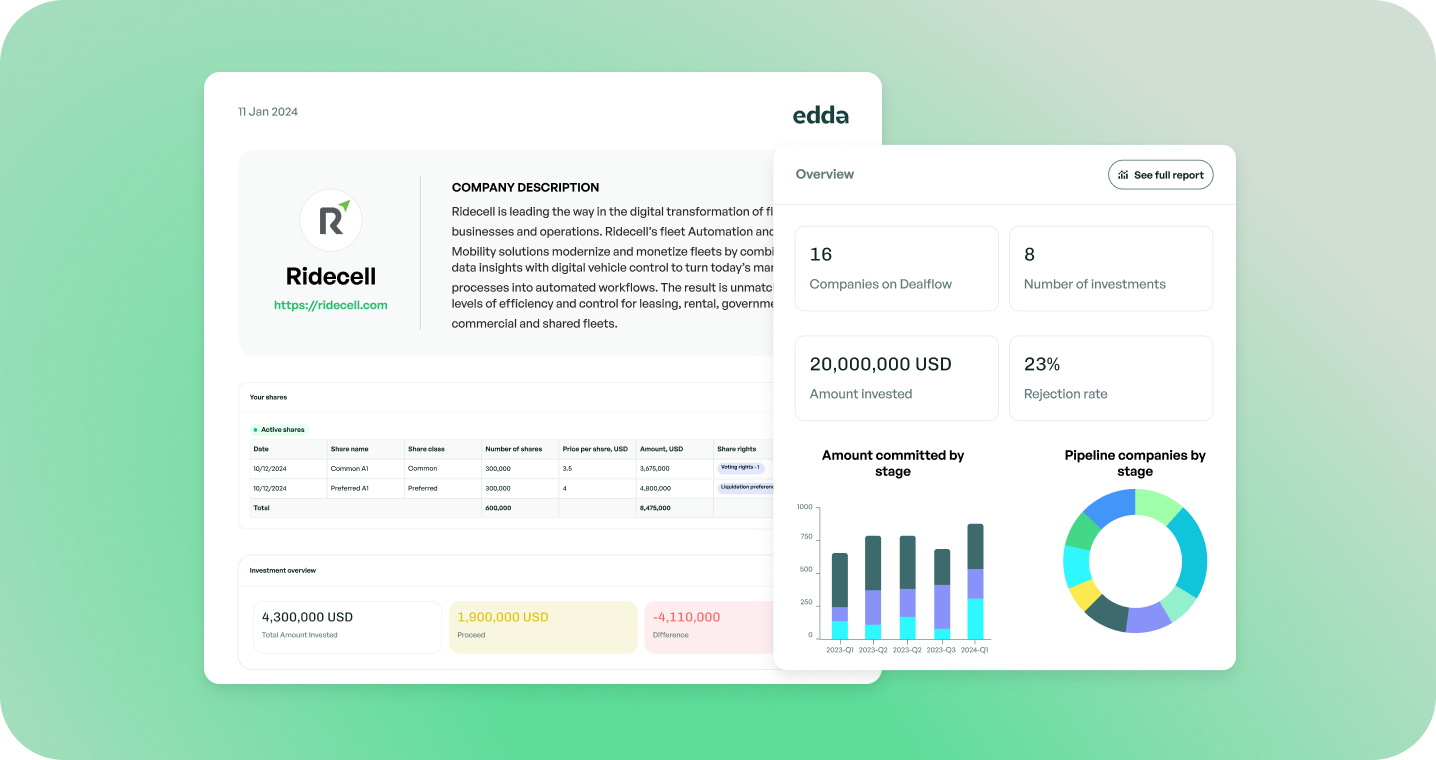
Automated reporting
Generate company and portfolio reports automatically from your live data — ready to share with LPs and stakeholders in a click.
See more →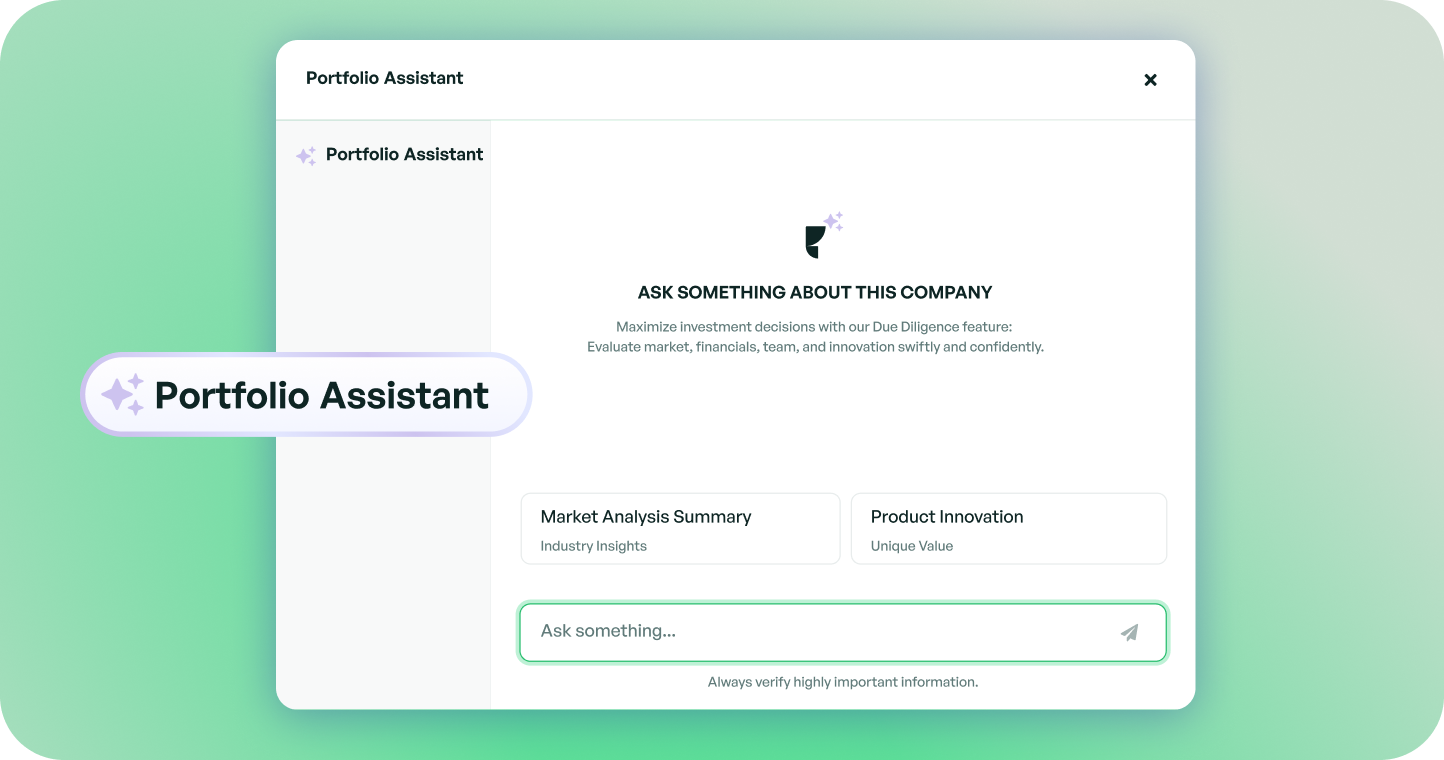
HERA.I Portfolio Assistant
Ask anything about a company and get instant, source-backed answers. Enhance your decision-making with an AI assistant built for investors.
See more →Specialist investment CRM
Talk with usDedicated LP Interface
Facilitate communication about your deals, reports, and more with your LPs through Edda’s dedicated interface.
View more →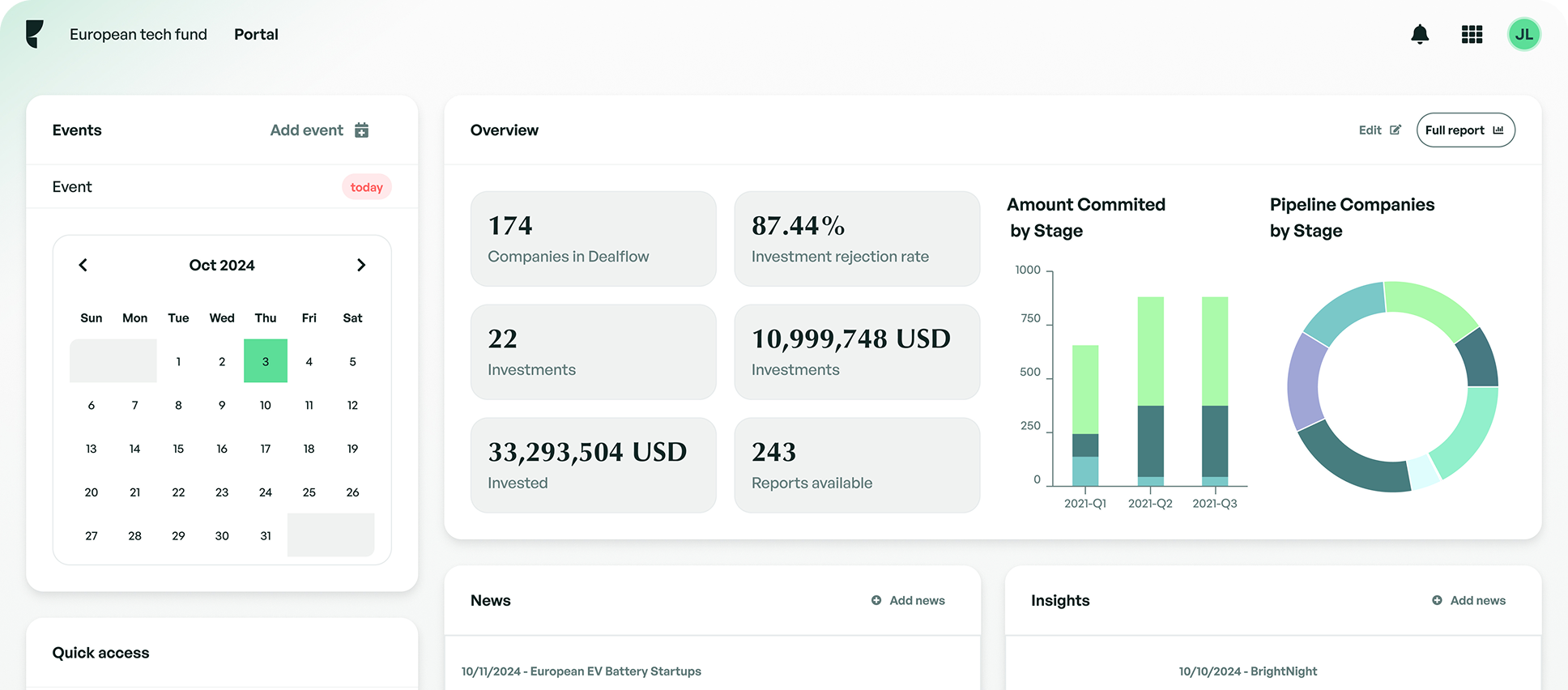
Relationship Intelligence
Get instant network insights with Connection Strength signal, displayed alongside your Edda contacts.
View more →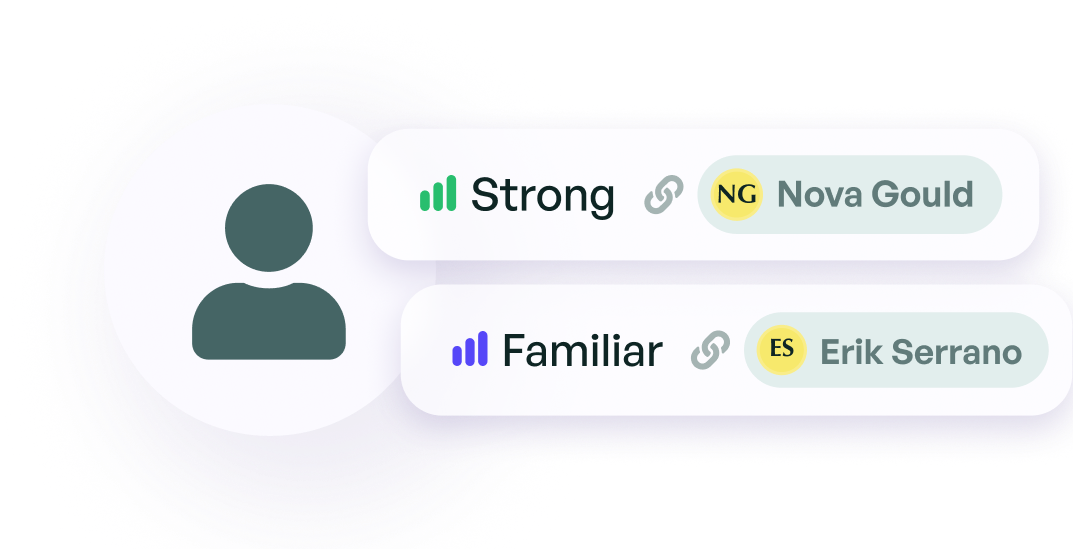
Email Sync
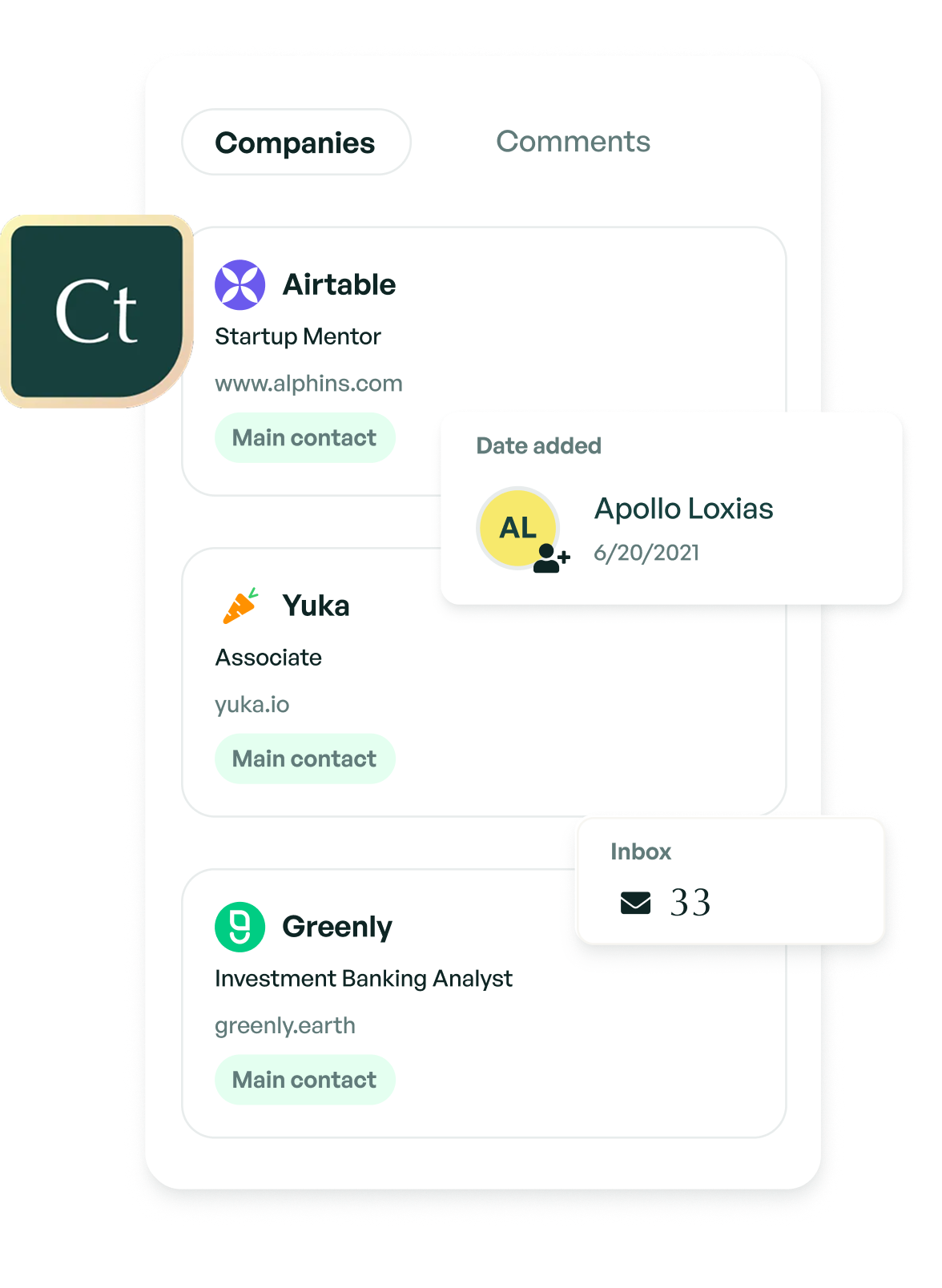
Manage your deal-related conversations without leaving your inbox with Outlook and Gmail plugin.
View more →
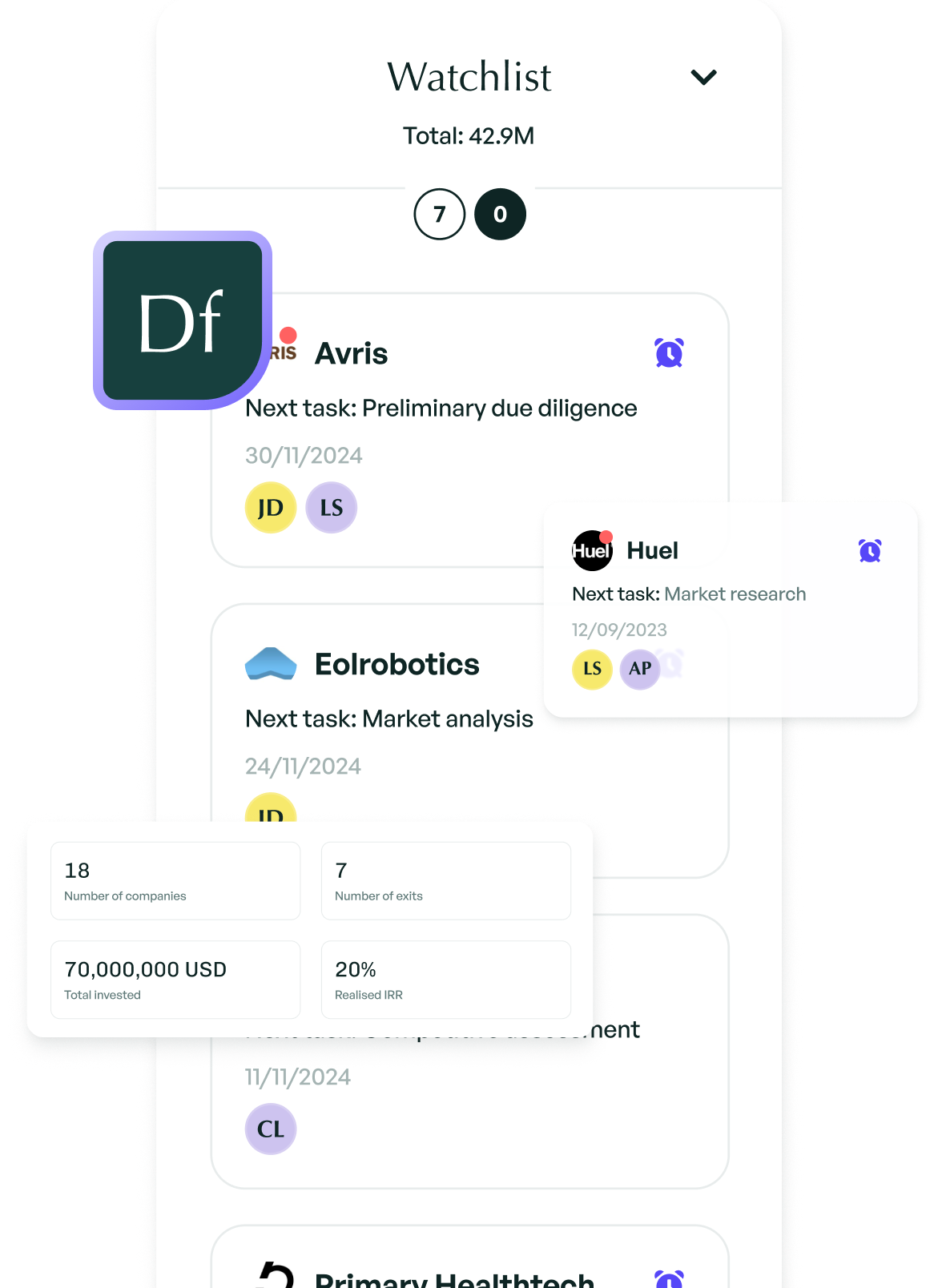
From deal to acquisition
Address every part of your investing process with Edda's apps.
Integrations
Edda is proud to offer leading investor-preferred tools to centralize your data and streamline your workflow, natively-integrated and 7000+ others through Zapier.
Talk with us





Case Studies
How Edda helps investors like you
Learn how clients use Edda to save time and energy across their workflow

 UK
UK  Private Equity & Venture Capital

The Evolution of Private Equity Software
Private equity firms operate in a data-intensive environment where precision and speed determine competitive advantage. Traditional workflows—spreadsheets, email chains, and disparate tools—no longer meet the demands of modern fund management. Private equity software consolidates these processes into a single platform, reducing operational friction while improving decision-making.
The shift from fragmented tools to integrated systems reflects broader industry trends. Firms now prioritize solutions that unify deal sourcing, portfolio monitoring, and investor reporting. This consolidation eliminates manual data transfers, a common source of errors in private equity operations. For example, a deal marked as "invested" in a sourcing tool should automatically populate in portfolio tracking, a capability that standalone tools cannot provide.
Edda’s approach to private equity portfolio management software addresses this gap by integrating dealflow, portfolio, and LP reporting into one system. This end-to-end functionality ensures that data flows seamlessly across stages, from initial sourcing to final exit.
Key Features of Modern Private Equity Software
Effective private equity software must address three core functions: dealflow management, portfolio monitoring, and LP reporting. Each of these areas presents unique challenges that require specialized solutions.
Dealflow management involves tracking potential investments from initial contact to final decision. Firms need tools that capture deal sources, store pitch decks, and facilitate collaboration among team members. Edda’s Dealflow module centralizes these tasks, allowing teams to log interactions, categorize opportunities, and prioritize follow-ups. The integration with third-party data providers like PitchBook and Crunchbase further streamlines sourcing by automatically enriching deal records with market data.
Portfolio monitoring is another critical function. Firms must track performance metrics such as gross and net IRR, TVPI, and DPI across their holdings. Edda’s Portfolio module provides real-time visibility into these metrics, enabling firms to assess fund performance without manual data aggregation. The system also supports custom reporting, allowing firms to tailor outputs to the needs of their limited partners.
LP reporting is the final pillar of private equity software. Firms must deliver accurate, timely reports to investors, often under tight deadlines. Edda’s Portal module simplifies this process by providing a secure, collaborative space for sharing documents, performance updates, and fund communications. This reduces the administrative burden on operations teams while improving transparency for investors.
How AI Enhances Private Equity Workflows
Artificial intelligence is transforming how private equity firms manage data and make decisions. Unlike competitors that announce AI capabilities without delivering concrete tools, Edda’s HERA.I suite includes four operational modules: Pitch Deck Reader, Cap Table Importer, Due Diligence Assistant, and Decision Writer.
The Pitch Deck Reader extracts key data from pitch decks, such as company metrics, team backgrounds, and financial projections, and populates it directly into deal records. This eliminates the need for manual data entry, a time-consuming and error-prone process. The Cap Table Importer similarly automates the ingestion of cap table data, ensuring that portfolio holdings are accurately reflected in the system.
The Due Diligence Assistant helps teams evaluate potential investments by flagging inconsistencies or missing information in deal documents. This accelerates the due diligence process, allowing firms to move faster on high-potential opportunities. Finally, the Decision Writer generates rejection letters, a task that often falls to junior team members. By automating this process, firms can maintain consistent communication with founders while freeing up time for higher-value activities.
These AI-driven tools are not just theoretical; they are fully integrated into Edda’s platform, providing tangible efficiencies for private equity teams. The focus on practical, deliverable AI sets Edda apart from competitors that offer vague promises of future capabilities.
Why Private Equity Firms Choose Integrated Platforms
The private equity industry is characterized by long investment horizons and complex stakeholder relationships. Firms need software that can adapt to these realities while providing a single source of truth for all parties involved. Integrated platforms like Edda address this need by unifying dealflow, portfolio, and LP reporting into one system.
One of the primary benefits of an integrated platform is the elimination of data silos. When dealflow, portfolio, and reporting tools operate independently, firms must manually transfer data between systems, increasing the risk of errors. Edda’s platform ensures that data flows seamlessly from one stage to the next, reducing operational friction and improving accuracy. For example, a deal marked as "invested" in the Dealflow module automatically appears in the Portfolio module, with all relevant data intact.
Another advantage is the ability to customize workflows. Private equity firms have unique processes, and a one-size-fits-all solution rarely meets their needs. Edda’s platform allows firms to tailor dashboards, reports, and notifications to their specific requirements. This flexibility is particularly valuable for mid-market firms, which often operate with leaner teams and require more efficient workflows.
Finally, integrated platforms improve collaboration. Private equity teams are often distributed across geographies, and LPs expect real-time updates on fund performance. Edda’s Portal module provides a secure, centralized space for sharing documents, performance metrics, and communications. This ensures that all stakeholders—general partners, limited partners, and portfolio companies—have access to the same information, reducing miscommunication and improving alignment.
The Role of Private Equity Software in Fund Performance
Fund performance is the ultimate measure of success in private equity. Firms rely on accurate, timely data to make investment decisions, monitor portfolio companies, and report to investors. Private equity portfolio management software plays a critical role in this process by providing the tools needed to track and analyze performance metrics.
Key performance indicators (KPIs) such as gross and net IRR, TVPI, and DPI are essential for assessing fund health. Edda’s platform allows firms to track these metrics in real time, providing a clear picture of fund performance at any given moment. For example, the TVPI metric, which measures the total value of a fund’s investments relative to its cost, is automatically calculated and updated as new data is entered. This eliminates the need for manual calculations, reducing the risk of errors and ensuring that firms have accurate data for decision-making.
In addition to performance tracking, private equity software supports scenario analysis. Firms can model different exit scenarios to assess their impact on fund returns. This capability is particularly valuable for mid-market firms, which often operate with smaller portfolios and need to maximize returns on each investment. Edda’s platform allows firms to run these analyses quickly and easily, providing the insights needed to make informed decisions.
Finally, private equity software improves transparency for investors. LPs expect regular updates on fund performance, and firms must deliver these reports in a timely and accurate manner. Edda’s Portal module simplifies this process by providing a secure, collaborative space for sharing performance data, documents, and communications. This reduces the administrative burden on operations teams while ensuring that LPs have access to the information they need.
FAQ
What is private equity software, and how does it differ from venture capital software?
Private equity software is designed to meet the specific needs of private equity firms, which typically invest in mature companies with established revenue streams. These firms require tools for dealflow management, portfolio monitoring, and LP reporting, with a focus on long-term performance metrics such as IRR and TVPI. Venture capital software, by contrast, is tailored to early-stage investing, where firms prioritize deal sourcing, network management, and rapid decision-making.
While there is overlap between the two, private equity software often includes features that are less relevant to venture capital, such as advanced portfolio analytics and scenario modeling. Edda’s platform bridges this gap by offering modules that serve both private equity and venture capital firms, ensuring that each segment’s unique requirements are met.
How does Edda’s platform handle data security and compliance?
Data security is a top priority for private equity firms, which handle sensitive financial and operational data. Edda’s platform is SOC 2 compliant and adheres to GDPR standards, ensuring that all data is stored and transmitted securely. The platform also offers role-based access controls, allowing firms to restrict data access to authorized users only.
In addition to security, Edda’s platform supports compliance with industry regulations. For example, the platform’s audit trails ensure that all changes to deal records or portfolio data are logged, providing a clear record of activity. This is particularly important for firms that must demonstrate compliance with regulatory requirements or LP agreements.
Can Edda’s platform integrate with other tools in our tech stack?
Yes, Edda’s platform is designed to integrate with a wide range of third-party tools, including data providers like PitchBook and Crunchbase, as well as communication platforms like Slack, Microsoft Teams, and Outlook. These integrations ensure that firms can continue using their preferred tools while benefiting from Edda’s unified platform.
The platform also supports integrations with cloud storage services like Google Drive and Dropbox, allowing firms to store and access documents directly from Edda. Additionally, the platform’s Zapier integration enables firms to connect Edda with other tools in their tech stack, further enhancing workflow efficiency.
What types of firms benefit most from Edda’s private equity software?
Edda’s platform is particularly well-suited to mid-market private equity firms, which often operate with leaner teams and require more efficient workflows. These firms benefit from the platform’s end-to-end functionality, which eliminates the need for manual data transfers and reduces operational friction.
Corporate venture capital (CVC) firms also find value in Edda’s platform. CVCs operate in a unique environment, balancing the needs of their corporate parent with the demands of venture investing. Edda’s platform provides the tools needed to manage this complexity, from deal sourcing to portfolio monitoring and LP reporting.
Finally, venture capital firms that are expanding into private equity can leverage Edda’s platform to support their growth. The platform’s flexibility allows firms to adapt their workflows as their investment strategies evolve, ensuring that they have the tools needed to succeed in both segments.
How does Edda’s AI suite, HERA.I, improve private equity workflows?
HERA.I is Edda’s proprietary AI suite, designed to enhance the efficiency and accuracy of private equity workflows. The suite includes four operational modules: Pitch Deck Reader, Cap Table Importer, Due Diligence Assistant, and Decision Writer.
The Pitch Deck Reader extracts key data from pitch decks, such as company metrics and financial projections, and populates it directly into deal records. This eliminates the need for manual data entry, reducing the risk of errors and accelerating the deal evaluation process. The Cap Table Importer similarly automates the ingestion of cap table data, ensuring that portfolio holdings are accurately reflected in the system.
The Due Diligence Assistant helps teams evaluate potential investments by flagging inconsistencies or missing information in deal documents. This accelerates the due diligence process, allowing firms to move faster on high-potential opportunities. Finally, the Decision Writer generates rejection letters, a task that often falls to junior team members. By automating this process, firms can maintain consistent communication with founders while freeing up time for higher-value activities.
The Evolution of Private Equity Software
Private equity firms operate in a data-intensive environment where precision and speed determine competitive advantage. Traditional workflows—spreadsheets, email chains, and disparate tools—no longer meet the demands of modern fund management. Private equity software consolidates these processes into a single platform, reducing operational friction while improving decision-making.
The shift from fragmented tools to integrated systems reflects broader industry trends. Firms now prioritize solutions that unify deal sourcing, portfolio monitoring, and investor reporting. This consolidation eliminates manual data transfers, a common source of errors in private equity operations. For example, a deal marked as "invested" in a sourcing tool should automatically populate in portfolio tracking, a capability that standalone tools cannot provide.
Edda’s approach to private equity portfolio management software addresses this gap by integrating dealflow, portfolio, and LP reporting into one system. This end-to-end functionality ensures that data flows seamlessly across stages, from initial sourcing to final exit.
Key Features of Modern Private Equity Software
Effective private equity software must address three core functions: dealflow management, portfolio monitoring, and LP reporting. Each of these areas presents unique challenges that require specialized solutions.
Dealflow management involves tracking potential investments from initial contact to final decision. Firms need tools that capture deal sources, store pitch decks, and facilitate collaboration among team members. Edda’s Dealflow module centralizes these tasks, allowing teams to log interactions, categorize opportunities, and prioritize follow-ups. The integration with third-party data providers like PitchBook and Crunchbase further streamlines sourcing by automatically enriching deal records with market data.
Portfolio monitoring is another critical function. Firms must track performance metrics such as gross and net IRR, TVPI, and DPI across their holdings. Edda’s Portfolio module provides real-time visibility into these metrics, enabling firms to assess fund performance without manual data aggregation. The system also supports custom reporting, allowing firms to tailor outputs to the needs of their limited partners.
LP reporting is the final pillar of private equity software. Firms must deliver accurate, timely reports to investors, often under tight deadlines. Edda’s Portal module simplifies this process by providing a secure, collaborative space for sharing documents, performance updates, and fund communications. This reduces the administrative burden on operations teams while improving transparency for investors.
How AI Enhances Private Equity Workflows
Artificial intelligence is transforming how private equity firms manage data and make decisions. Unlike competitors that announce AI capabilities without delivering concrete tools, Edda’s HERA.I suite includes four operational modules: Pitch Deck Reader, Cap Table Importer, Due Diligence Assistant, and Decision Writer.
The Pitch Deck Reader extracts key data from pitch decks, such as company metrics, team backgrounds, and financial projections, and populates it directly into deal records. This eliminates the need for manual data entry, a time-consuming and error-prone process. The Cap Table Importer similarly automates the ingestion of cap table data, ensuring that portfolio holdings are accurately reflected in the system.
The Due Diligence Assistant helps teams evaluate potential investments by flagging inconsistencies or missing information in deal documents. This accelerates the due diligence process, allowing firms to move faster on high-potential opportunities. Finally, the Decision Writer generates rejection letters, a task that often falls to junior team members. By automating this process, firms can maintain consistent communication with founders while freeing up time for higher-value activities.
These AI-driven tools are not just theoretical; they are fully integrated into Edda’s platform, providing tangible efficiencies for private equity teams. The focus on practical, deliverable AI sets Edda apart from competitors that offer vague promises of future capabilities.
Why Private Equity Firms Choose Integrated Platforms
The private equity industry is characterized by long investment horizons and complex stakeholder relationships. Firms need software that can adapt to these realities while providing a single source of truth for all parties involved. Integrated platforms like Edda address this need by unifying dealflow, portfolio, and LP reporting into one system.
One of the primary benefits of an integrated platform is the elimination of data silos. When dealflow, portfolio, and reporting tools operate independently, firms must manually transfer data between systems, increasing the risk of errors. Edda’s platform ensures that data flows seamlessly from one stage to the next, reducing operational friction and improving accuracy. For example, a deal marked as "invested" in the Dealflow module automatically appears in the Portfolio module, with all relevant data intact.
Another advantage is the ability to customize workflows. Private equity firms have unique processes, and a one-size-fits-all solution rarely meets their needs. Edda’s platform allows firms to tailor dashboards, reports, and notifications to their specific requirements. This flexibility is particularly valuable for mid-market firms, which often operate with leaner teams and require more efficient workflows.
Finally, integrated platforms improve collaboration. Private equity teams are often distributed across geographies, and LPs expect real-time updates on fund performance. Edda’s Portal module provides a secure, centralized space for sharing documents, performance metrics, and communications. This ensures that all stakeholders—general partners, limited partners, and portfolio companies—have access to the same information, reducing miscommunication and improving alignment.
The Role of Private Equity Software in Fund Performance
Fund performance is the ultimate measure of success in private equity. Firms rely on accurate, timely data to make investment decisions, monitor portfolio companies, and report to investors. Private equity portfolio management software plays a critical role in this process by providing the tools needed to track and analyze performance metrics.
Key performance indicators (KPIs) such as gross and net IRR, TVPI, and DPI are essential for assessing fund health. Edda’s platform allows firms to track these metrics in real time, providing a clear picture of fund performance at any given moment. For example, the TVPI metric, which measures the total value of a fund’s investments relative to its cost, is automatically calculated and updated as new data is entered. This eliminates the need for manual calculations, reducing the risk of errors and ensuring that firms have accurate data for decision-making.
In addition to performance tracking, private equity software supports scenario analysis. Firms can model different exit scenarios to assess their impact on fund returns. This capability is particularly valuable for mid-market firms, which often operate with smaller portfolios and need to maximize returns on each investment. Edda’s platform allows firms to run these analyses quickly and easily, providing the insights needed to make informed decisions.
Finally, private equity software improves transparency for investors. LPs expect regular updates on fund performance, and firms must deliver these reports in a timely and accurate manner. Edda’s Portal module simplifies this process by providing a secure, collaborative space for sharing performance data, documents, and communications. This reduces the administrative burden on operations teams while ensuring that LPs have access to the information they need.
FAQ
What is private equity software, and how does it differ from venture capital software?
Private equity software is designed to meet the specific needs of private equity firms, which typically invest in mature companies with established revenue streams. These firms require tools for dealflow management, portfolio monitoring, and LP reporting, with a focus on long-term performance metrics such as IRR and TVPI. Venture capital software, by contrast, is tailored to early-stage investing, where firms prioritize deal sourcing, network management, and rapid decision-making.
While there is overlap between the two, private equity software often includes features that are less relevant to venture capital, such as advanced portfolio analytics and scenario modeling. Edda’s platform bridges this gap by offering modules that serve both private equity and venture capital firms, ensuring that each segment’s unique requirements are met.
How does Edda’s platform handle data security and compliance?
Data security is a top priority for private equity firms, which handle sensitive financial and operational data. Edda’s platform is SOC 2 compliant and adheres to GDPR standards, ensuring that all data is stored and transmitted securely. The platform also offers role-based access controls, allowing firms to restrict data access to authorized users only.
In addition to security, Edda’s platform supports compliance with industry regulations. For example, the platform’s audit trails ensure that all changes to deal records or portfolio data are logged, providing a clear record of activity. This is particularly important for firms that must demonstrate compliance with regulatory requirements or LP agreements.
Can Edda’s platform integrate with other tools in our tech stack?
Yes, Edda’s platform is designed to integrate with a wide range of third-party tools, including data providers like PitchBook and Crunchbase, as well as communication platforms like Slack, Microsoft Teams, and Outlook. These integrations ensure that firms can continue using their preferred tools while benefiting from Edda’s unified platform.
The platform also supports integrations with cloud storage services like Google Drive and Dropbox, allowing firms to store and access documents directly from Edda. Additionally, the platform’s Zapier integration enables firms to connect Edda with other tools in their tech stack, further enhancing workflow efficiency.
What types of firms benefit most from Edda’s private equity software?
Edda’s platform is particularly well-suited to mid-market private equity firms, which often operate with leaner teams and require more efficient workflows. These firms benefit from the platform’s end-to-end functionality, which eliminates the need for manual data transfers and reduces operational friction.
Corporate venture capital (CVC) firms also find value in Edda’s platform. CVCs operate in a unique environment, balancing the needs of their corporate parent with the demands of venture investing. Edda’s platform provides the tools needed to manage this complexity, from deal sourcing to portfolio monitoring and LP reporting.
Finally, venture capital firms that are expanding into private equity can leverage Edda’s platform to support their growth. The platform’s flexibility allows firms to adapt their workflows as their investment strategies evolve, ensuring that they have the tools needed to succeed in both segments.
How does Edda’s AI suite, HERA.I, improve private equity workflows?
HERA.I is Edda’s proprietary AI suite, designed to enhance the efficiency and accuracy of private equity workflows. The suite includes four operational modules: Pitch Deck Reader, Cap Table Importer, Due Diligence Assistant, and Decision Writer.
The Pitch Deck Reader extracts key data from pitch decks, such as company metrics and financial projections, and populates it directly into deal records. This eliminates the need for manual data entry, reducing the risk of errors and accelerating the deal evaluation process. The Cap Table Importer similarly automates the ingestion of cap table data, ensuring that portfolio holdings are accurately reflected in the system.
The Due Diligence Assistant helps teams evaluate potential investments by flagging inconsistencies or missing information in deal documents. This accelerates the due diligence process, allowing firms to move faster on high-potential opportunities. Finally, the Decision Writer generates rejection letters, a task that often falls to junior team members. By automating this process, firms can maintain consistent communication with founders while freeing up time for higher-value activities.